Finance teams lose thousands annually to missed renewals, duplicate vendor spend, and compliance gaps when contracts scatter across email inboxes and departmental drives. Centralizing vendor contracts requires methodology before technology—audit your landscape, establish governance, define obligation taxonomies, then evaluate platforms.
Key Takeaways
- Scattered vendor contracts cause missed auto-renewals, duplicate vendor spend, and compliance exposure—centralization starts with a repeatable audit workflow across email, shared drives, and legacy systems
- Governance setup (role-based access, clause-level controls, approval workflows) must precede platform deployment to prevent version-control chaos and accidental term deletion
- Define obligation taxonomies around payment terms, auto-renewals, indemnification, data protection, and SLAs before evaluating platforms—AI extraction depends on clear category definitions
- Intelligence-layer platforms deploy over existing storage without contract migration, while all-in-one platforms include authoring and negotiation but require rip-and-replace adoption
- ERP and procurement system integrations determine operational value—contract data isolated in a CLM repository cannot drive vendor master updates or payment automation
Finance teams lose vendor contracts to three predictable failure modes: email attachments that never reach a shared repository, department-owned drives that gate cross-functional visibility, and legacy ERP systems that archive PDF signatures but surface no renewal dates or payment terms. Research shows 90% of professionals struggle to locate specific contracts when needed, and the cost is quantifiable—organizations lose approximately 9% of revenue to contract leakage when obligations remain invisible until deadlines pass.
The Three Patterns That Fragment Contract Storage
Email attachments land in individual inboxes where negotiation history dies with turnover. Department silos, procurement owns supplier agreements, legal holds NDA files, finance tracks payment terms, prevent anyone from seeing the full vendor relationship. Legacy systems capture execution events but strip the operational intelligence embedded in payment schedules, auto-renewal clauses, and compliance deadlines. Vendor contract management spans procurement, finance, legal, and vendor relations, yet most organizations track obligations using fragmented spreadsheets that update only when someone remembers to check.
Finance-Specific Risks of Contract Dispersion
Missed auto-renewals turn one-year pilots into multi-year commitments at un-negotiated rates. Duplicate vendor spend persists when subsidiaries contract separately with the same supplier because no central view flags overlapping coverage. Audit trail gaps emerge when regulators demand proof of vendor due diligence and contracts live across fourteen shared drives with no metadata governance. Platforms like Contracts.ai, DocuSign CLM, and Icertis address the intelligence layer, transforming scattered PDFs into structured, queryable obligation repositories, but adoption fails when finance buys CLM software before auditing where contracts actually live today. The anti-pattern: deploying a centralized system into an organization that has never mapped its contract landscape, resulting in an empty repository and zero adoption six months post-launch.
Before deploying a centralization platform, finance teams must inventory every active vendor agreement, including contracts that never reached a shared repository.
Step 1: Audit Your Current Contract Landscape
Where Finance Teams Store Vendor Contracts Today
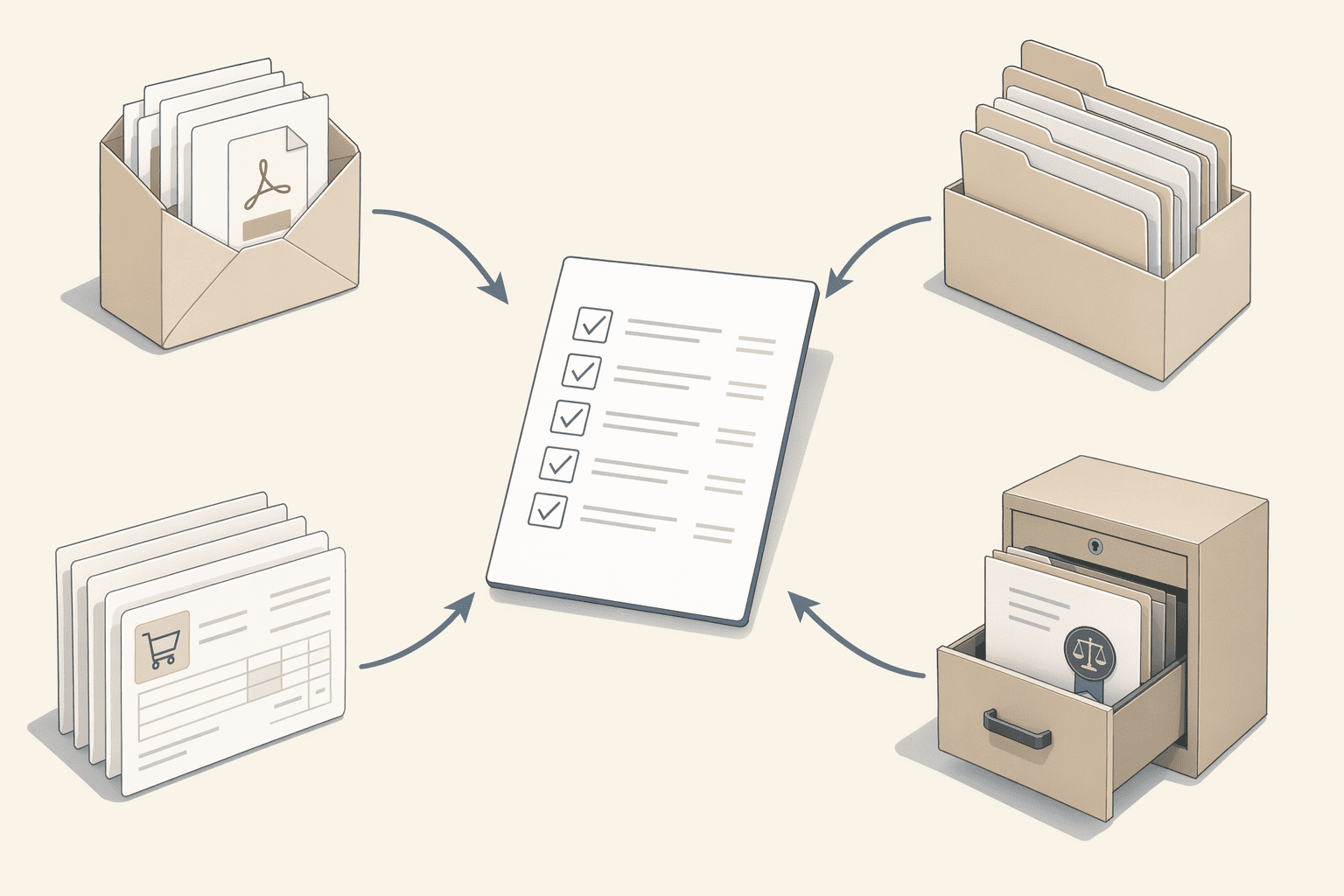
Most finance teams discover vendor contracts scattered across email inboxes (procurement threads, renewal notifications, countersigned PDFs forwarded by legal), shared drives (departmental folders organized by year or vendor name), procurement systems (purchase order attachments, supplier onboarding repositories), and legal repositories (executed agreements stored separately from operational spend data). This dispersion pattern creates blind spots: renewal clauses buried in email, payment terms documented in one system while invoices flow through another, and compliance obligations invisible to the teams responsible for vendor oversight.
The Four-Step Contract Discovery Process
A repeatable audit workflow ensures complete vendor contract visibility:
- Keyword search across email and drives: Run queries for file types (`.pdf`, `.docx`) combined with terms like “agreement,” “MSA,” “SOW,” vendor names, and date ranges. Filter by subject lines containing “signed,” “executed,” or “renewal.”
- Metadata extraction from found documents: AI-powered clause extraction tools accelerate this phase, automatically tagging contract dates, payment terms, and renewal clauses across hundreds of documents in minutes.
- Duplicate resolution: Flag contracts with identical vendor names, overlapping date ranges, or matching agreement values. Consolidate superseded versions and archive outdated files.
- Stakeholder validation interviews: Cross-check findings with procurement leads, department heads, and accounts payable to surface contracts not stored in central repositories (verbal agreements later formalized, side letters, amendments).
Building Your Contract Inventory Baseline
Structure your baseline inventory with these minimum tracking fields:
- Vendor name and parent entity (if applicable)
- Contract value (annual or total)
- Start and end dates
- Auto-renewal clause (Y/N, plus notice period)
- Payment terms (net-30, quarterly, annual prepay)
- Termination notice period (30/60/90 days)
- Key obligations (SLA commitments, data processing terms, insurance requirements)
Finance teams in regulated industries should add compliance identifiers (HIPAA BAA status, GDPR data processing addendum presence, SOC 2 attestation date) to meet audit trail requirements during vendor risk reviews.
With a complete contract inventory in place, the next step is defining who can view, edit, and approve each contract, and at what level of granularity.
Step 2: Establish Repository Governance and Access Controls
Before deploying a centralization platform, finance teams must define who can view, edit, approve, and administer contracts, and at what granularity. Forrester’s 2025 CLM evaluation emphasizes governance and security as foundational criteria, and NIST third-party risk frameworks require clause-level controls to isolate sensitive pricing or liability terms from general visibility.
Role-Based Access Requirements for Finance Contract Repositories
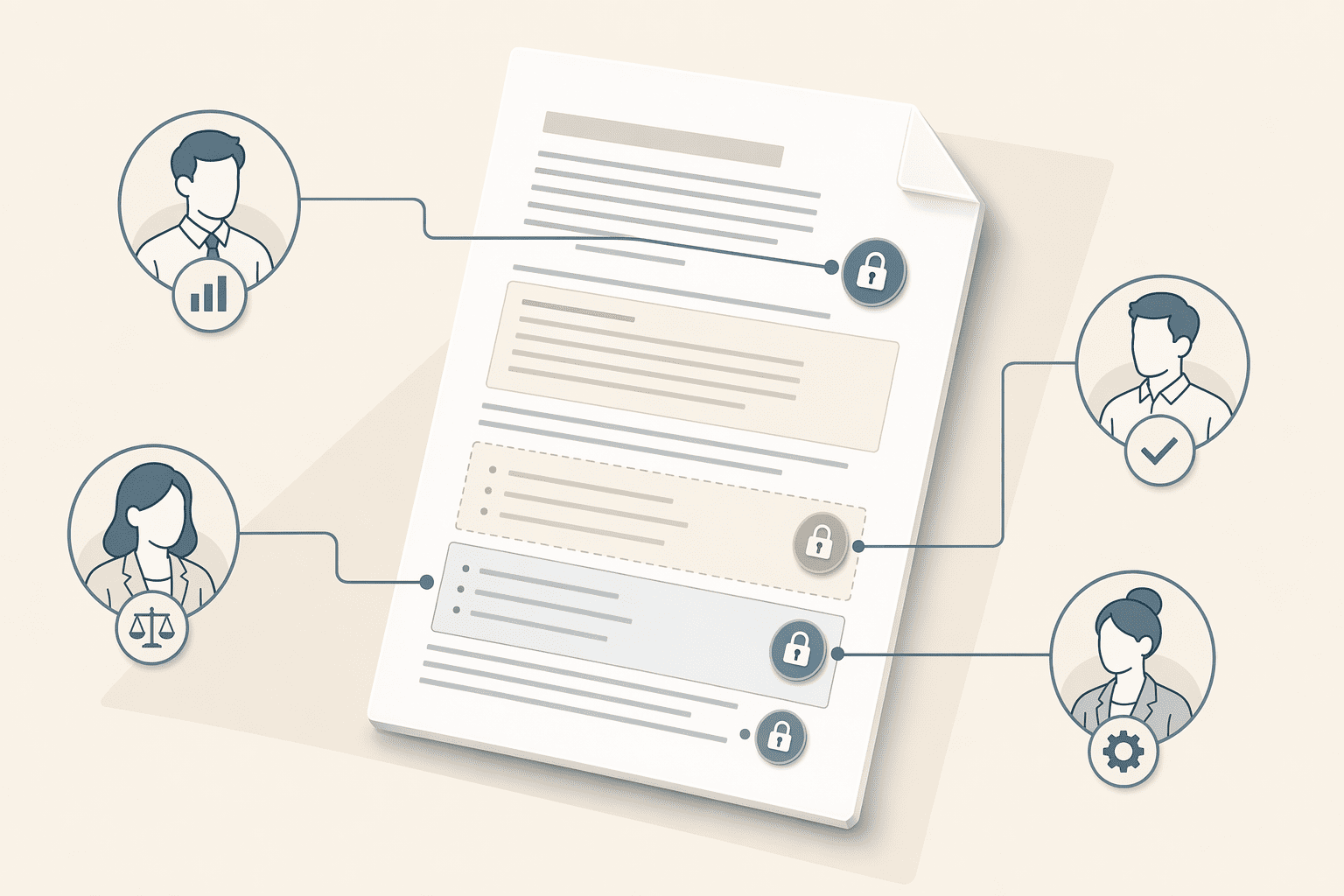
Map finance org roles to three access tiers: (1) View-only for finance analysts who need read access to obligation dates and payment schedules; (2) Edit + Tag for contract administrators who upload documents, assign metadata, and set renewal alerts; (3) Approve + Admin for finance leadership who authorize contract uploads, lock critical clauses, and grant user permissions. Contracts.ai and other modern CLM platforms support role-based access controls (RBAC), allowing administrators to enforce these boundaries at deployment.
Clause-Level vs Document-Level Governance Control
Document-level locks restrict editing for entire contracts, suitable for fully executed agreements. Clause-level locks isolate individual sections (pricing, indemnity, auto-renewal terms) so finance analysts can view the contract but cannot modify sensitive provisions. Contracts.ai maintains governance at both clause and document level, as do DocuSign CLM and Icertis. Choose clause-level controls when teams in regulated environments must segregate visibility of liability caps or payment milestones.
Approval Workflow Design Before Platform Deployment
Define the review chain before migration: who scans contracts for missing signatures, who tags obligations (payment due dates, renewal windows, compliance milestones), and who sets automated alerts. Ad-hoc tagging after upload leads to inconsistent obligation tracking and low adoption. Document the workflow in a one-page process map, upload → legal/procurement sign-off → metadata tagging → leadership approval → repository commit, then configure the platform’s approval rules to mirror it. This governance-first discipline prevents the rework cycle that stalls most CLM rollouts.
Once access controls are established, finance teams must design the obligation classification system that determines what the platform will track and how it will categorize contractual commitments.
Step 3: Define Obligation Taxonomies and Tracking Requirements
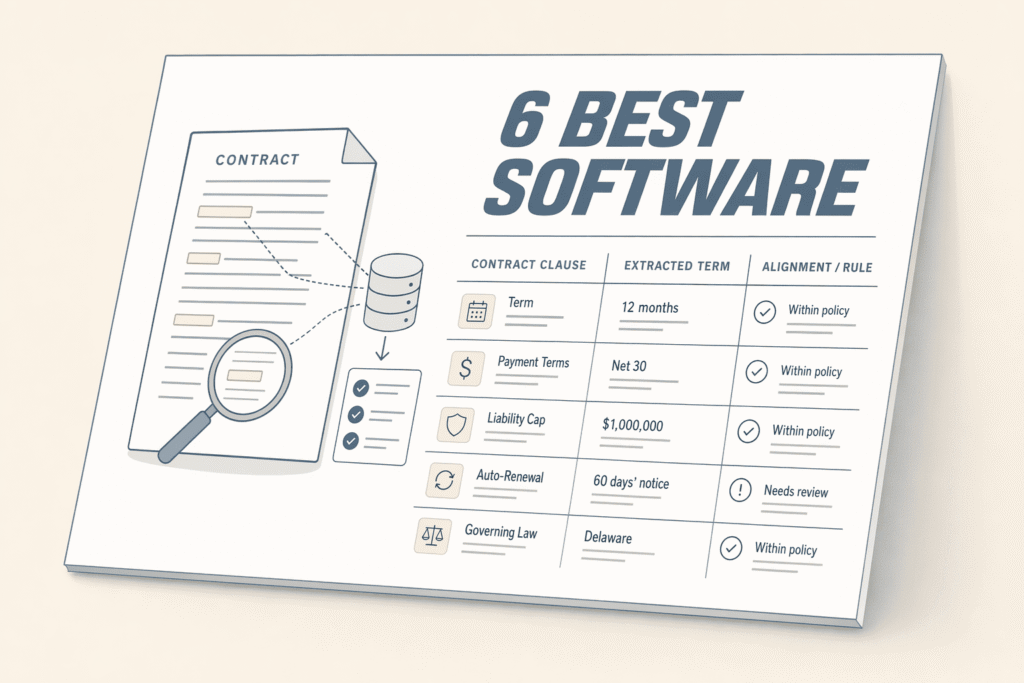
Before evaluating any platform’s obligation-tracking features, finance teams must design the classification system that determines what counts as an obligation and how to categorize it. Modern CLM platforms can automatically identify payment deadlines, governing law provisions, liability clauses, renewal terms, indemnification language, and termination rights, but the AI cannot decide which of these obligations matter to your finance workflow until you define the taxonomy first.
Finance-Specific Obligation Categories
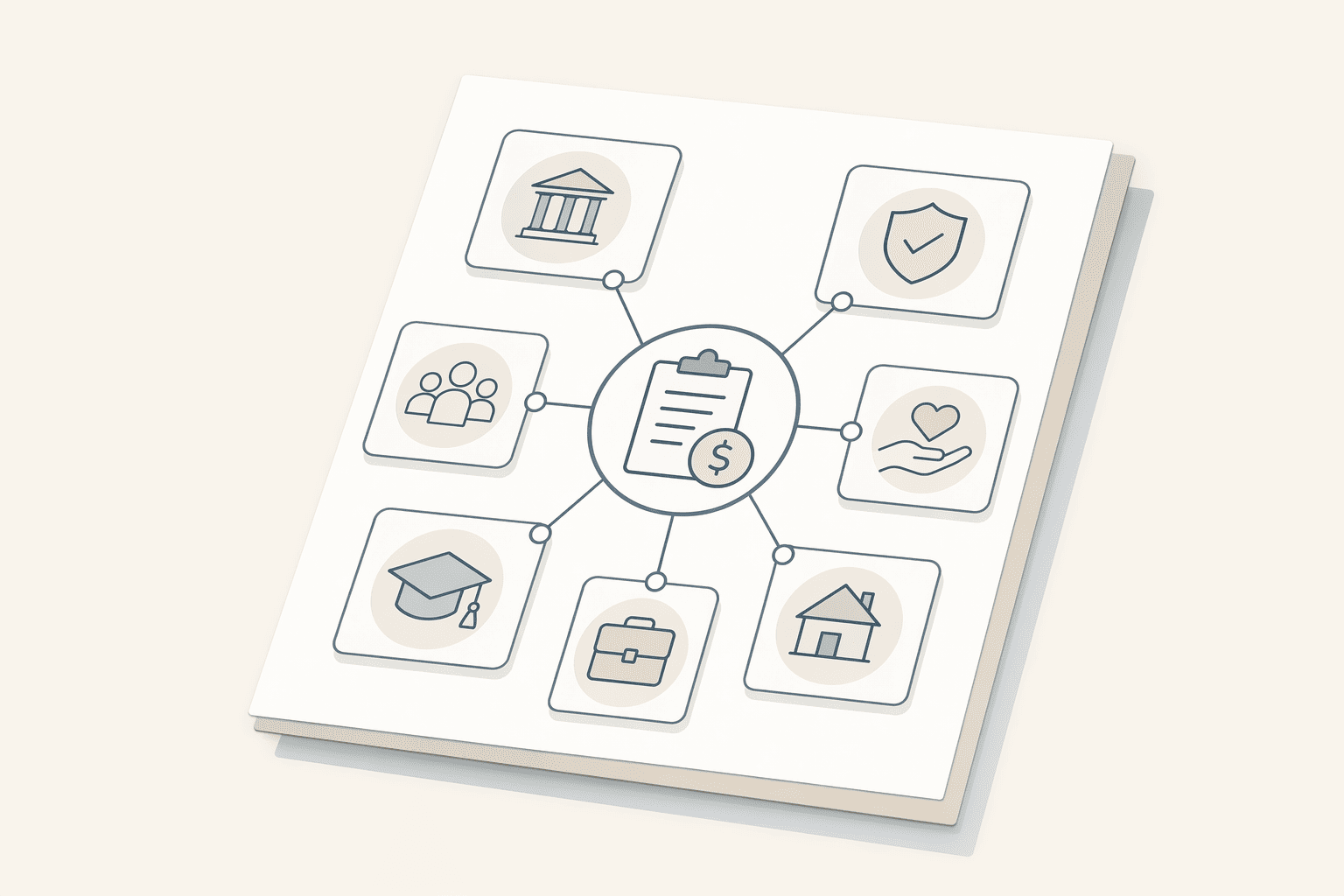
Finance teams should structure their obligation taxonomy around five core categories:
- Payment terms and schedules, payment due dates, milestone-based billing triggers, early-payment discounts, and late-payment penalties.
- Auto-renewal and termination clauses, renewal notification deadlines, opt-out windows, termination-for-cause provisions, and notice periods.
- Indemnification and liability, indemnification scope (who indemnifies whom, for what), liability caps, and exclusions.
- Data protection and compliance, GDPR data processing obligations, HIPAA business associate requirements (for healthcare finance teams), and data breach notification timelines.
- Service-level agreements and performance metrics, uptime guarantees, performance penalties, service credits, and measurement methodologies.
How to Structure Obligation Metadata for Alerts and Reporting
Each tracked obligation requires a minimum metadata schema to power automated alerts and continuous monitoring:
- Obligation type, which of the five categories above does this belong to?
- Contract reference, contract ID, vendor name, and obligation clause reference (e.g., Section 4.2).
- Obligation owner, name and email of the finance team member accountable for this obligation.
- Due date, the absolute or relative deadline (e.g., 30 days before renewal).
- Notification lead time, 30, 60, or 90 days before the due date, depending on obligation complexity.
- Escalation path, who gets notified if the owner does not acknowledge the alert within 48 hours?
Custom vs Standard Taxonomy Trade-Offs
Use standard categories (payment, renewal, termination) when tracking common vendor obligations across industries, these categories map directly to out-of-the-box platform templates and require minimal configuration. Build custom taxonomies when your industry imposes unique compliance requirements, for example, healthcare finance teams must track HIPAA business associate obligations that do not fit standard payment-term or liability templates.
With audit, governance, and taxonomy complete, finance teams can now evaluate platforms against their specific tracking requirements and integration needs.
Step 4: Evaluate Centralization Platform Capabilities
Intelligence Layer vs Rip-and-Replace Architecture
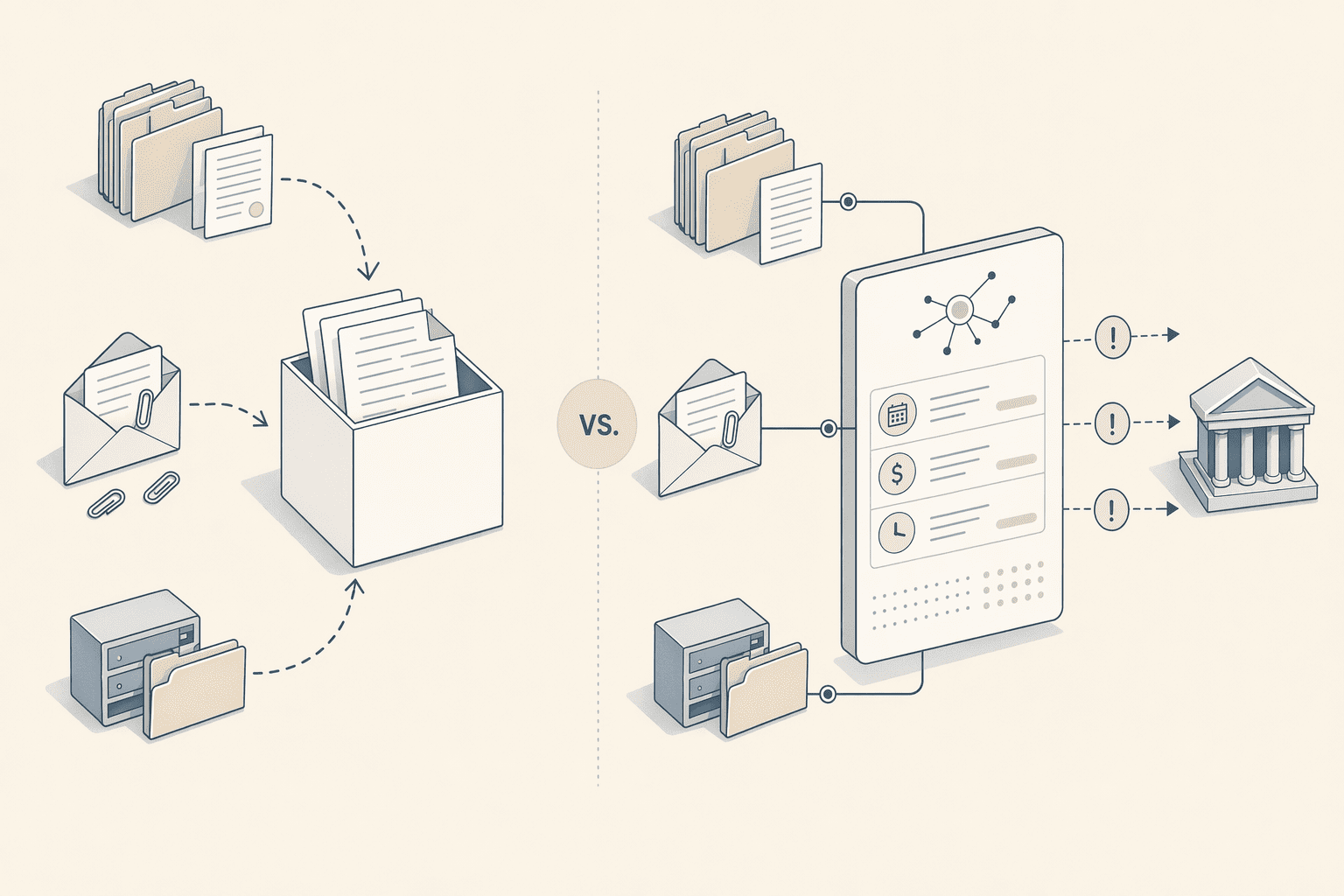
Finance teams face a fundamental architecture choice when selecting a contract centralization platform. Rip-and-replace solutions require migrating all existing contracts into a new repository system, extracting PDFs from email attachments, shared drives, and legacy tools, then re-uploading them into the vendor’s environment. This approach creates deployment friction and risks losing historical context during migration. Intelligence-layer platforms, by contrast, connect to existing repositories without requiring document relocation. Contracts.ai is designed as a post-signature intelligence layer that structures and activates contract data beyond static storage, extracting obligation metadata and pushing alerts to finance systems without moving the underlying files.
Integration Requirements with Finance and Procurement Systems
Contract data has limited operational value when isolated from the systems finance teams use daily. Effective centralization platforms often need to connect with ERP systems like Oracle and SAP, procurement tools such as Coupa and Ariba, and payment workflows to help reconcile obligations with actual spend. Look for platforms offering pre-built connectors rather than custom API projects, the difference between a 90-day deployment and a 12-month engineering effort. Evaluate whether the platform can push renewal alerts directly into your ERP’s accounts payable queue or flag payment discrepancies when invoices don’t match signed contract terms.
Platform Comparison: Repository, Tracking, Automation, and Integrations
Below is a side-by-side evaluation of seven platforms across the criteria that matter most to finance operations:
| Platform | Pricing | Repository | Renewal tracking | Workflow automation | Search/extraction | Integrations | User ratings |
|---|---|---|---|---|---|---|---|
| Contracts.ai | Contact for pricing | Intelligence layer (no migration) | AI-powered alerts | Custom workflows | 99%+ accuracy extraction | Oracle, SAP, NetSuite, 50+ ERPs | 4.8/5 (G2) |
| DocuSign CLM | $10.82/month | Cloud-based repository | Automated reminders | Approval workflows | AI clause search | Salesforce, Office 365 | 4.5/5 (Capterra) |
| Icertis | Enterprise pricing | Centralized vault | Calendar-based alerts | Configurable approval chains | Natural language search | SAP, Oracle, Workday | 4.6/5 (Gartner) |
| Ironclad | Contact for pricing | Digital contract storage | Renewal dashboard | Legal workflow engine | AI-powered analytics | Slack, Salesforce | 4.7/5 (G2) |
| Lexion | Tiered pricing | Cloud repository | Auto-renewal tracking | Contract workflows | Machine learning extraction | Microsoft 365, Salesforce | 4.6/5 (G2) |
| Sirion | Enterprise pricing | Centralized repository | Obligation tracking | Configurable workflows | AI contract analysis | SAP Ariba, Oracle | 4.5/5 (Gartner) |
| Conga CLM | Available on request | Cloud-based vault | Automated notifications | Customizable workflows | Template-based search | Salesforce, Office 365 | 4.4/5 (G2) |
Platform selection is Step 4, after you’ve audited scattered contracts, standardized metadata, and confirmed centralization readiness. Choose a solution that integrates with your existing finance stack rather than forcing wholesale system replacement.
How Contracts.ai Unifies Vendor Contracts Without Rip-and-Replace
Intelligence-Layer Deployment Model
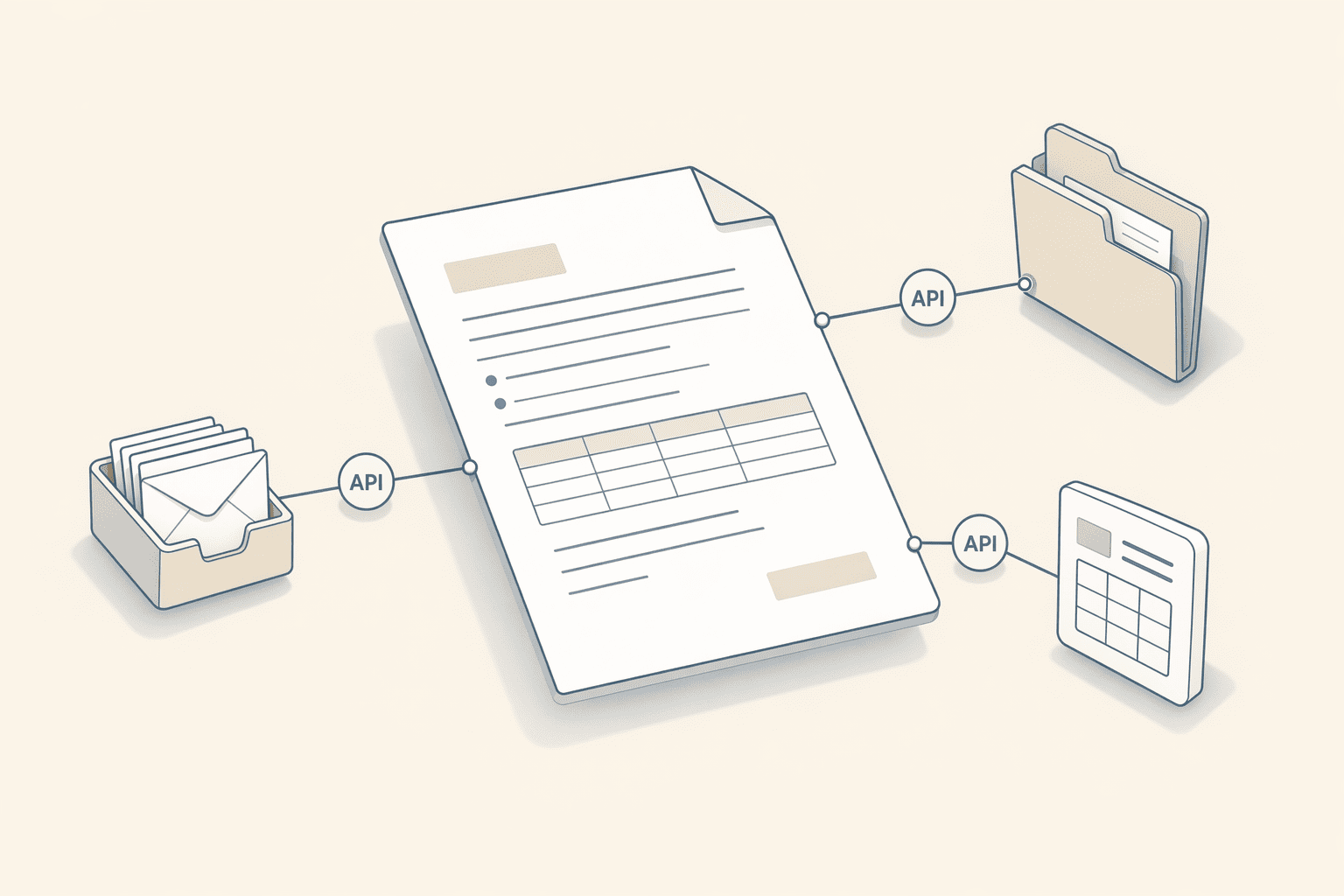
Contracts.ai deploys as a post-signature intelligence layer that connects to existing contract storage without requiring migration. Finance teams drowning in vendor contracts scattered across email inboxes, shared drives, and procurement systems can integrate Contracts.ai via API and connector workflows, the platform indexes contracts in place rather than forcing a rip-and-replace transition. This addresses the target query’s core pain point: centralizing scattered obligations without disrupting existing toolchains. Implementation timelines compress because teams avoid the multi-quarter data-migration projects that all-in-one CLM platforms typically require.
Obligation Extraction and Governance Features
Beyond static PDF storage, Contracts.ai extracts obligation metadata, payment terms, renewal dates, and compliance clauses from legacy and live contracts. The platform enables clause-level and document-level governance control, finance teams can lock pricing clauses or payment terms at the clause level while allowing broader contract visibility across departments. Automated renewal alerts push notifications to finance systems when vendor commitments approach expiration thresholds, implementing the Step 3 taxonomy and tracking requirements from the centralization framework. This transforms scattered contracts into decision-ready intelligence rather than requiring manual calendar tracking.
Best For: Finance Teams in Regulated Environments with Existing Toolchains
Finance teams in regulated environments, healthcare organizations managing BAAs, financial services firms tracking compliance obligations, government contractors reconciling contract terms with invoicing systems, benefit most from Contracts.ai’s non-disruptive deployment. Teams with mature ERP and procurement toolchains (NetSuite, SAP, Oracle) that need contract intelligence layered on top rather than replaced gain the fastest time-to-value. Teams starting from scratch or replacing legacy CLM systems may prefer all-in-one platforms like Ironclad or Icertis that bundle authoring, negotiation, and approval workflows alongside repository and obligation tracking, Contracts.ai focuses on post-signature intelligence rather than pre-signature drafting.
Even with the right platform and methodology, finance teams encounter predictable failure modes during centralization projects.
Common Pitfalls When Centralizing Vendor Contracts
Suboptimal contract terms and weak management erode sourcing value by 9 percent annually, yet many finance teams deploy CLM software expecting it to solve contract chaos by itself. The reality: platforms amplify existing dysfunction when deployed before you audit, govern, and standardize.
Buying CLM Software Before Auditing Your Contract Landscape
Platform-first approaches produce empty repositories. Without an upfront audit identifying which contracts exist, where they live, and what obligations they carry, no one has bandwidth to upload legacy files after deployment. The platform becomes shelfware within six months because the repository never reaches critical mass for daily use.
Skipping Governance Setup and Relying on Default Access Controls
Deploying a platform without role-based access or approval workflows means every user can edit every contract. Version-control chaos follows, conflicting redlines, accidental deletions, and no audit trail for critical amendments. Governance gaps create new risks rather than mitigating existing ones.
Over-Customizing Obligation Taxonomies Without User Input
When obligation categories become too granular, contract administrators cannot tag obligations consistently. Users face decision paralysis, should a payment term be tagged “Net-30”, “Invoice Due Date”, or “Payment Schedule”? so they skip tagging entirely. Renewal alerts and spend forecasts fail because the data layer remains incomplete.
Conclusion
Intelligence-layer platforms like Contracts.ai and DocuSign CLM deploy without contract migration but require existing storage infrastructure, all-in-one platforms like Ironclad and Conga CLM include authoring and negotiation but require rip-and-replace adoption. Clause-level governance adds configuration complexity but delivers granular access control, while document-level governance is simpler to set up but less flexible for finance teams with mixed visibility requirements.
AI-powered obligation extraction is shifting CLM platforms from static document repositories to active contract intelligence layers, finance teams who define obligation taxonomies and integration requirements now will be positioned to adopt predictive renewal analytics and automated compliance monitoring as those capabilities mature in 2026-2027.
Start by auditing your contract landscape using the Step 1 methodology, then explore Contracts.ai’s intelligence-layer deployment to unify scattered vendor contracts without migrating away from your existing systems.
Frequently Asked Questions
What is the best platform to centralize vendor contracts for finance teams?
The best platform depends on your deployment model, Contracts.ai, DocuSign CLM, and Icertis deploy as intelligence layers over existing systems without contract migration, while Ironclad and Conga CLM are all-in-one platforms requiring rip-and-replace adoption. Complete the audit (Step 1), governance setup (Step 2), and taxonomy design (Step 3) before evaluating platforms to match capabilities to your specific obligation-tracking and integration requirements.
How do I audit scattered vendor contracts across email and shared drives?
Use a four-step discovery process: (1) keyword search email inboxes and shared drives for ‘agreement’, ‘contract’, ‘vendor’; (2) extract metadata (vendor name, dates, auto-renewal clauses); (3) resolve duplicates by comparing contract identifiers and effective dates; (4) validate inventory with procurement, legal, and department heads. This repeatable workflow ensures complete vendor contract visibility before centralization.
Should I set up governance and access controls before or after deploying a CLM platform?
Set up governance BEFORE deploying the platform, define role-based access (view, edit, approve, admin), clause-level versus document-level controls, and approval workflows so platform configuration reflects your requirements. Platforms like Contracts.ai and Icertis support both granularities, but your governance model must be designed first to prevent version-control chaos and accidental term deletion during rollout.
What obligation categories should finance teams track in vendor contracts?
Track five core categories: (1) payment terms and schedules, (2) auto-renewal and termination clauses, (3) indemnification and liability, (4) data protection and compliance, (5) service-level agreements. Modern CLM platforms can identify these categories automatically using AI-powered clause extraction, but you must define the taxonomy before the AI can tag obligations consistently across your contract portfolio.
What is an intelligence-layer CLM deployment vs rip-and-replace?
Intelligence-layer platforms like Contracts.ai and DocuSign CLM connect to existing contract storage via API, extracting metadata and pushing alerts without migrating files. Rip-and-replace platforms require uploading all contracts into a new repository and abandoning current storage systems. Finance teams with existing ERP and procurement toolchains typically prefer intelligence-layer deployments to preserve integration investments.
How do CLM platforms integrate with ERP systems like Oracle and SAP?
Modern CLM platforms use API connectors to sync contract data with ERP systems, when a vendor contract updates in the CLM, payment terms and renewal dates flow into the ERP vendor master record. Contracts.ai, DocuSign CLM, and Icertis offer pre-built Oracle and SAP integrations. Evaluate integration architecture in Step 4 after defining obligation tracking requirements in Step 3.
What are the most common mistakes when centralizing vendor contracts?
Three failure modes: (1) buying CLM software before auditing contracts leads to empty repositories and low adoption, (2) skipping governance setup creates version-control chaos and accidental term deletion, (3) over-customizing obligation taxonomies without user input creates tagging burdens that users skip. Follow the methodology sequence, audit, governance, taxonomy, then platform, to avoid these pitfalls and sustain adoption.
Sources
- Contract Tracking Explained: Key Strategies for Businesses – sirion.ai
- The Forrester Wave™: Contract Lifecycle Management Platforms, Q1 2025 – www.forrester.com (2025)
- NIST Third-Party Risk Management: 800-53, 800-161, CSF – safe.security (2025)
- Top 7 Best AI Clause Detection Platforms for Contracts in 2026 – linksquares.com (2026)
- Top 10 AI-Powered Contract Management Software – www.saaslaunchr.com (2025)
- The Contract Lifecycle Management Platforms Landscape, Q2 2026 – www.forrester.com (2026)
- Contract Lifecycle Management Tools and Trends to Know – artofprocurement.com (2026)