Finance teams waste hours searching for vendor agreements buried in email threads, shared drives, and department folders. Missed renewal deadlines and scattered contract obligations create financial exposure that grows with every new vendor relationship.
Key Takeaways
- Vendor contract management software centralizes scattered agreements into a searchable repository with AI-powered obligation extraction for renewal dates, payment terms, and compliance clauses
- Platforms split between full-lifecycle CLM systems (Ironclad, Agiloft, Icertis) requiring organizational adoption and post-signature intelligence tools (Contracts.ai, ContractWorks) enabling faster pilot deployments
- Critical evaluation dimensions include repository architecture (semantic search vs. Metadata filtering), AI extraction accuracy (85-95% for structured obligations), and native ERP integration depth
- Finance teams drowning in scattered contracts should start with pilot deployments of high-value agreements rather than attempting full repository migration upfront
- Platform selection depends on team maturity stage: chaos-to-structure teams need fast centralization, structured-but-manual teams need AI extraction, and optimization-ready teams need full-lifecycle workflow automation
What Is Vendor Contract Management Software? (And Why Finance Teams Need It)
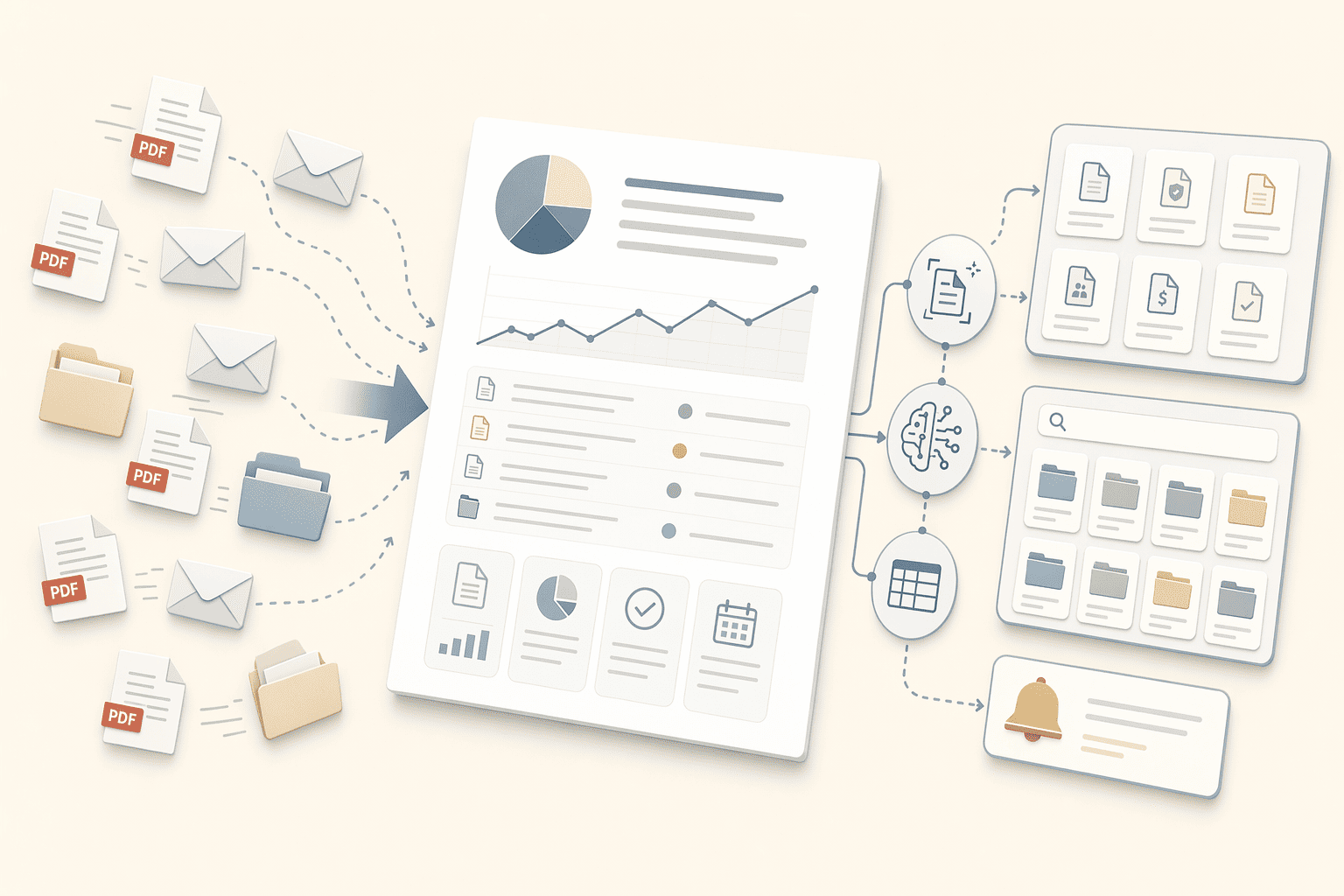
Vendor contract management software centralizes your scattered agreements into a searchable repository, extracts key obligations using AI, and alerts you to renewal deadlines and compliance terms—so your finance team can stop hunting through emails and start tracking every vendor commitment in one place. For mid-market finance teams drowning in contracts, these platforms transform scattered PDFs into decision-ready intelligence.
The Hidden Cost of Scattered Vendor Contracts
When vendor agreements live in emails, shared drives, and departmental silos, research shows 90% of professionals struggle to locate specific contracts when needed, and organizations lose approximately 9% of revenue to contract leakage. Missed renewal deadlines, overlooked payment terms, and untracked compliance clauses erode the bottom line silently—by the time finance notices, the cost has already materialized.
Two Categories: Full-Lifecycle CLM vs Post-Signature Contract Intelligence
The market splits into two paths. Full-lifecycle CLM platforms (Ironclad, Agiloft, Icertis) handle authoring, approvals, e-signature, and storage—workflow-heavy solutions for legal and procurement teams. Post-signature contract intelligence tools (Contracts.ai, Stackpack) focus on what comes after signing: repository consolidation, AI extraction of obligations, and obligation tracking. Finance teams rarely need contract drafting—they need visibility.
Why Finance Teams Prioritize Visibility Over Workflow
Finance asks daily: “What is this contract costing us?” “Are we on track with renewals?” Without a centralized system, those questions become high-stakes guessing games. Post-signature contract intelligence is the higher-use starting point for mid-market finance teams—get every vendor obligation visible first, then layer workflow automation as processes mature.
Understanding what vendor contract management software does clarifies the evaluation framework finance teams need when comparing platforms.
Key Capabilities to Evaluate: Centralization, Obligation Tracking, and Integration
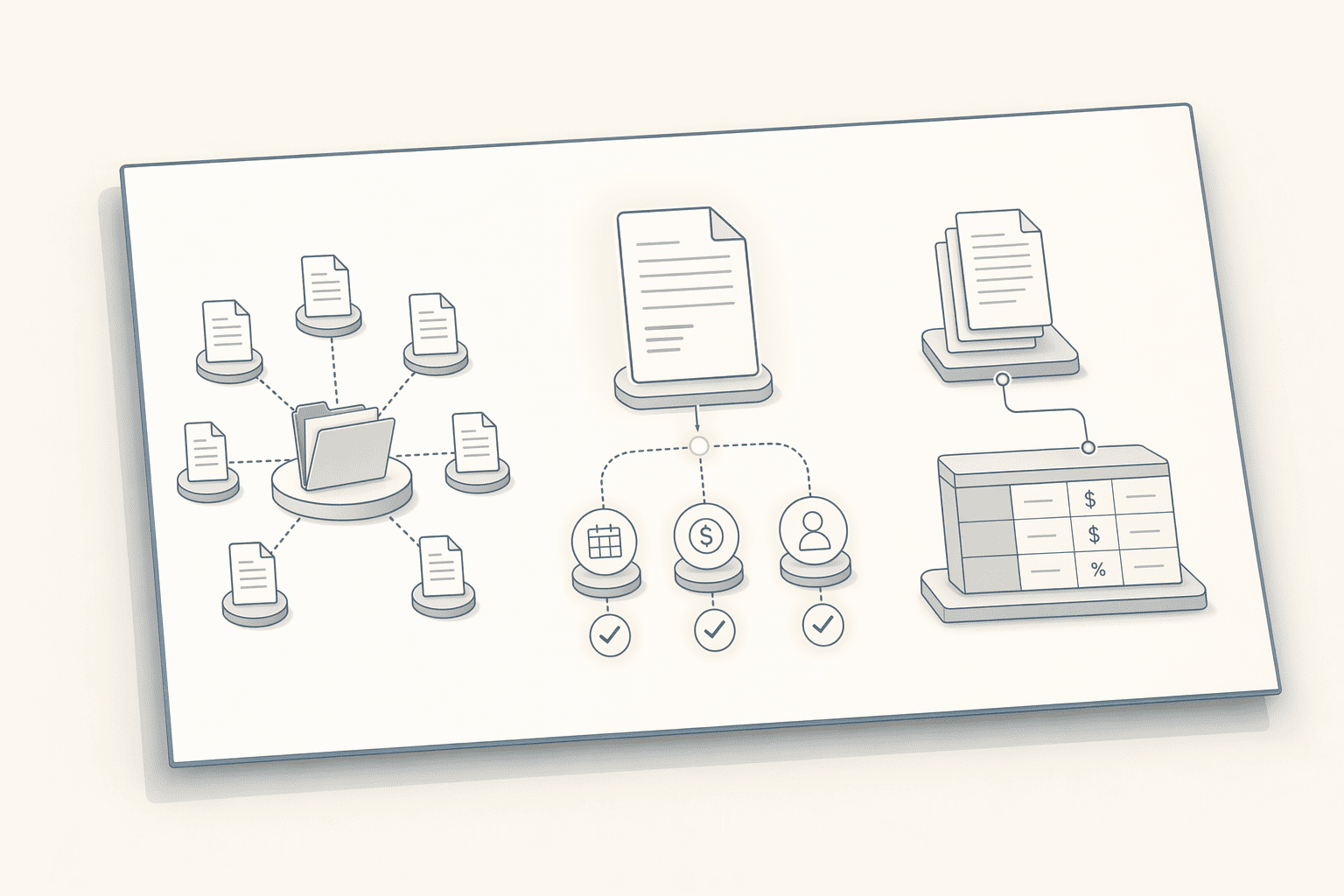
Before comparing specific platforms, finance teams need a clear evaluation framework. The 2025 Forrester Wave report on contract lifecycle management platforms identifies three dimensions that separate operational tools from static repositories: centralized repository architecture, AI-powered obligation extraction, and integration depth with finance systems. These capabilities address the core pain point, contracts scattered across emails and shared drives, by turning fragmented documents into structured, queryable, and actionable data.
Centralized Repository Architecture and Search Functionality
A centralized contract repository consolidates all vendor agreements into a single source of truth, replacing the scattered-file problem with metadata tagging, full-text search, version control, and clause-level visibility. This architecture solves the ‘buried in inboxes, spreadsheets, and shared folders’ scenario by making every contract searchable and auditable. Effective repository platforms support natural-language queries (‘show me all contracts with auto-renewal clauses expiring in Q3’), auto-tag contract relationships, and preserve source language alongside structured fields, ensuring finance teams can validate extracted data against the original agreement.
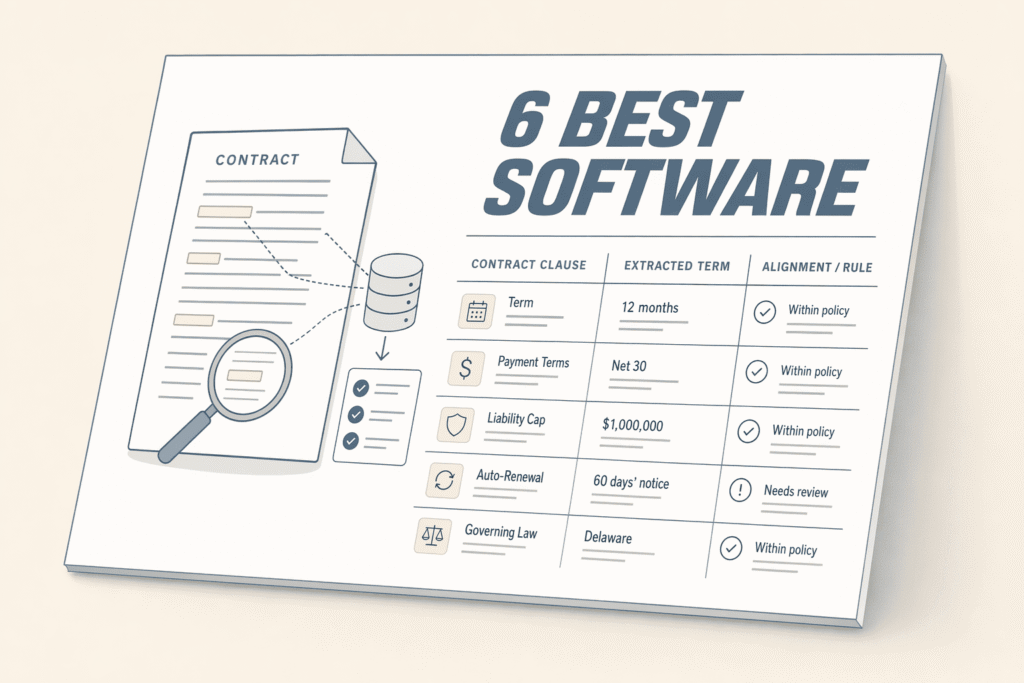
AI-Powered Obligation Extraction: Renewal Dates, Payment Terms, Notice Periods
AI extraction turns unstructured contract PDFs into structured obligation data, renewal dates, payment schedules, termination clauses, notice periods, that finance systems can act on. Cited in industry analyses, AI-powered contract management can reduce contract processing time by up to 65%. However, AI extraction accuracy for financial obligations (renewal dates, payment schedules) varies significantly across platforms. Some tools achieve real-time extraction with 99%+ accuracy on key terms, while others require manual validation or struggle with legacy document formats. When evaluating platforms, test extraction capabilities on your actual vendor contract library, not vendor-supplied samples, and confirm that extracted obligations link back to source contract language for audit trails.
Integration Depth with Finance Systems (ERP, AP/AR, Procurement)
Integration depth determines whether contract data lives in isolation or flows directly into finance operations. Analysts often emphasize the need for better visibility into contract processes, performance, and outcomes, which can depend on how well CLM platforms connect with ERP systems, AP/AR modules, and procurement intake tools. Look for platforms that can reconcile supplier invoices with signed contracts, trigger payment approvals based on contract terms, and feed obligation data into financial reporting workflows. Platforms offering only manual CSV export or generic API access force finance teams to build custom integrations, adding cost and fragility to the contract-to-payment pipeline.
With evaluation criteria established, finance teams can assess specific platforms against repository architecture, AI extraction capabilities, and integration depth.
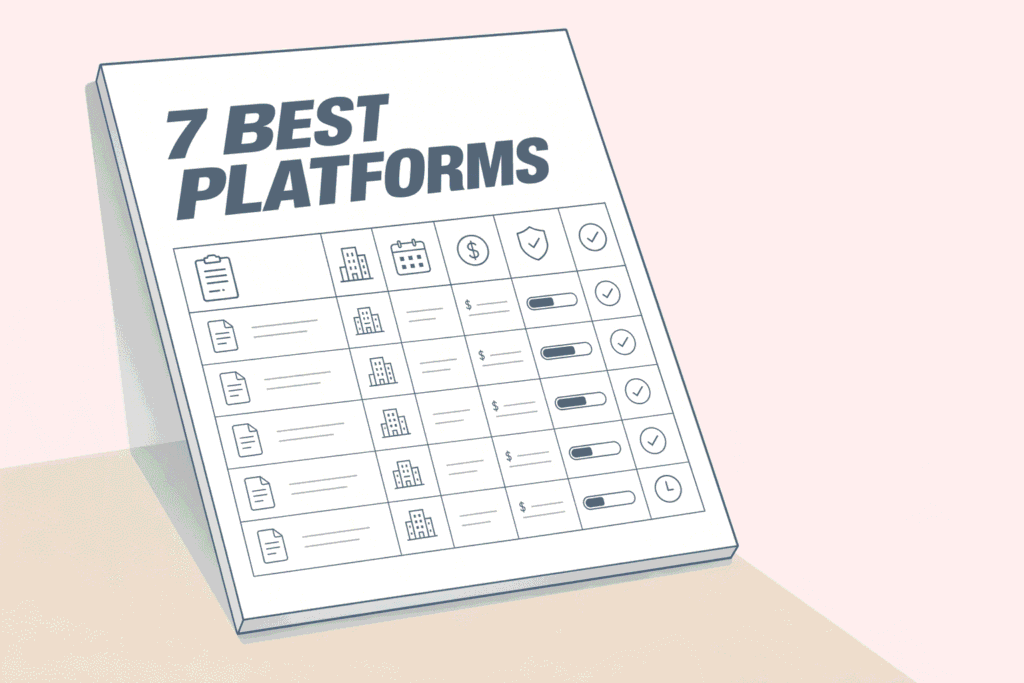
7 Best Vendor Contract Management Platforms for Finance Teams
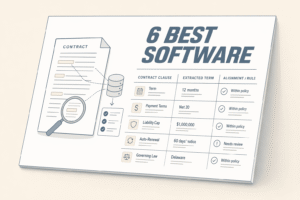
Finance teams drowning in scattered vendor contracts need platforms that centralize obligations and automate tracking. Manual contract management is not only tedious but also prone to costly mistakes, inefficiencies, and compliance risks. The five platforms below, Contracts.ai, DocuSign CLM, ContractSafe, Ironclad, and LinkSquares, address different parts of this problem, from post-signature intelligence to full-lifecycle workflow orchestration.
Contracts.ai: AI-Powered Post-Signature Intelligence
Contracts.ai is a post-signature intelligence layer that extracts key terms, payment schedules, and obligations from legacy and live contracts in minutes. The platform uses machine learning to analyze contract content and generate structured outputs, summaries, and risk insights. Finance teams can query the entire contract base in natural language and receive answers linked to source contract language for validation.
Strengths: SOC2 and SOC3 certified; processes personal data only per documented customer instructions and does not use customer data for LLM training; fast time-to-value for teams needing to surface obligations from existing contract repositories.
Limitations: Does not support contract workflows such as approvals, teams needing end-to-end creation and execution orchestration should look elsewhere.
Best for: Finance teams prioritizing post-signature visibility and obligation tracking over workflow automation. Request a Demo
DocuSign CLM: Cloud-Based Full-Lifecycle Management
DocuSign CLM is a cloud-based contract management solution that helps businesses generate, automate, manage, and store documents and contracts. Capterra reviewers give it an overall rating of 4.5 out of 5 (127 reviews), and AI clause detection capabilities automatically identify payment deadlines, governing law provisions, liability clauses, and renewal terms.
Best for: Teams that need integrated e-signature and full-lifecycle contract orchestration in a single platform.
ContractSafe: Budget-Friendly Repository
ContractSafe uses AI to organize documents and simplify workflows with e-signature tools. Capterra reports that 94% of reviewers recommend the product, making it a strong choice for smaller finance teams seeking centralized storage without enterprise complexity.
Best for: Small to mid-size finance teams needing a straightforward repository with basic workflow automation.
Ironclad & LinkSquares: Additional Workflow-Native Options
Ironclad and LinkSquares are both workflow-native CLM platforms with AI features. Both automate contract creation, track key obligations, and minimize errors, with Ironclad emphasizing approval orchestration and LinkSquares focusing on AI clause extraction accuracy. Teams needing end-to-end creation + execution + storage should evaluate both alongside DocuSign CLM.
Comparison Table:
| Platform | Primary Focus | Key Differentiator | Best For |
|---|---|---|---|
| Contracts.ai | Post-signature intelligence | SOC2/SOC3 certified; no LLM training on customer data | Obligation tracking from legacy contracts |
| DocuSign CLM | Full-lifecycle CLM | Integrated e-signature + workflow automation | End-to-end contract orchestration |
| ContractSafe | Centralized repository | Budget-friendly; 94% reviewer recommendation | Small/mid-size teams needing storage |
| Ironclad | Workflow-native CLM | Approval orchestration + AI clause detection | Teams requiring structured approval chains |
| LinkSquares | AI clause extraction | High extraction accuracy for payment/liability terms | Finance teams prioritizing clause identification |
Platform capabilities vary significantly across repository search, version control, AI extraction accuracy, and integration approaches, differences that directly impact finance team workflows.
Feature Comparison: Repository, AI Extraction, and Integrations
Repository Architecture: Search, Metadata Tagging, Version Control
Repository search capabilities split into two camps: full-text semantic search and metadata-only filtering. Contracts.ai offers natural-language search across the entire contract base, allowing teams to query obligations, renewal dates, and payment terms without pre-tagging. Ironclad and Agiloft provide comparable full-text search with metadata layering. Coupa and ContractWorks rely on manual tagging workflows, users upload documents then assign metadata fields (vendor name, contract type, expiration date) before contracts become searchable.
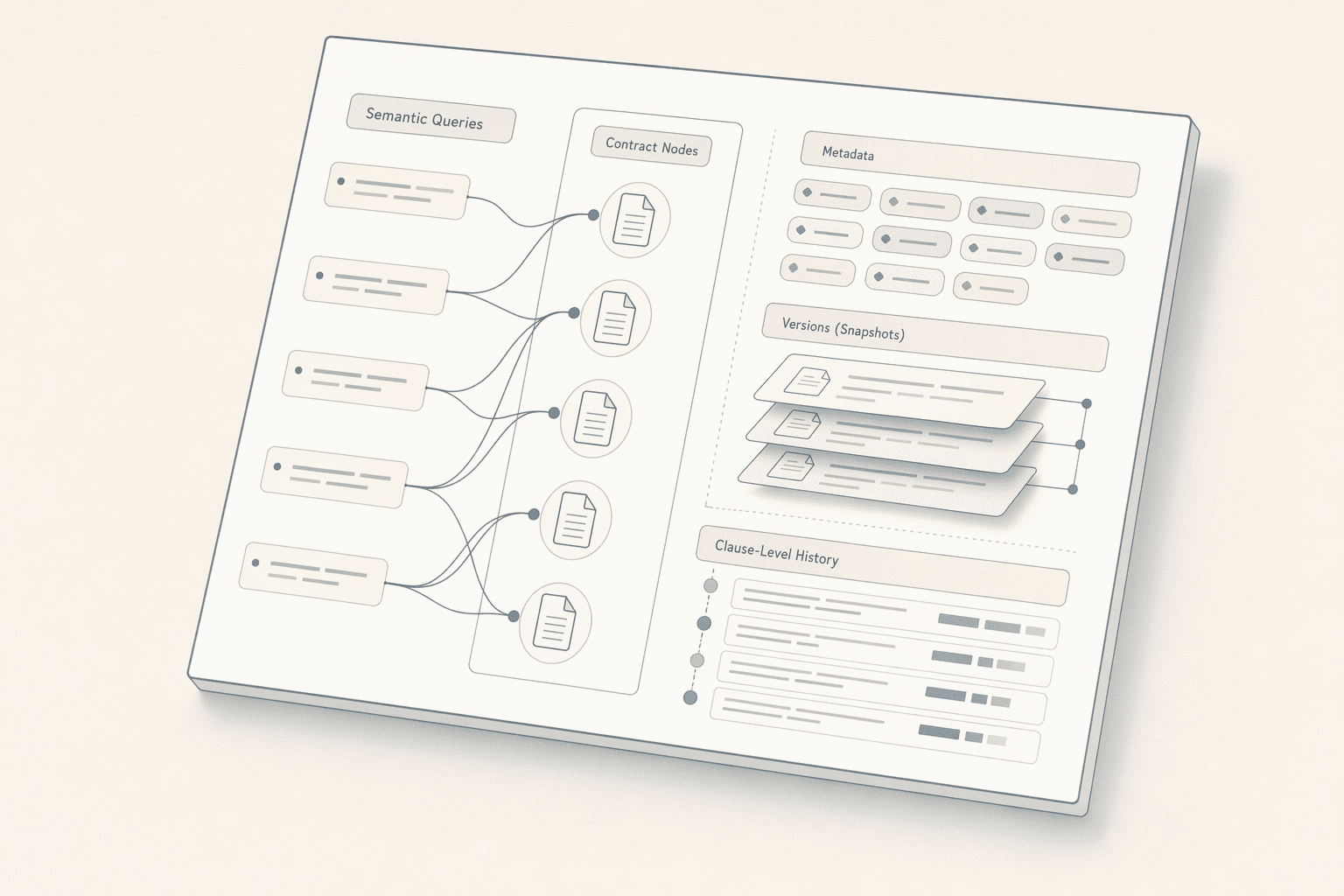
Version control approaches also diverge. Ironclad and Contracts.ai maintain clause-level version history with audit logs. Coupa tracks document-level versions within its procurement suite. ContractWorks stores snapshots but lacks granular clause tracking, which complicates obligation reconciliation across amended agreements.
AI Extraction Accuracy: Renewal Dates, Payment Terms, Termination Clauses
AI extraction accuracy for financial obligations varies significantly across platforms. Organizations lose 9.2% of annual contract value due to missed obligations and auto-renewals; extraction errors amplify that leakage. Contracts.ai claims >99% accuracy when extracting renewal dates, payment schedules, and termination clauses from unstructured documents. Ironclad and Agiloft provide obligation extraction with validation workflows, users review flagged clauses before the system commits them to the repository.
Coupa’s extraction focuses on procurement-specific fields (PO numbers, pricing schedules) but requires manual review for termination-for-convenience and SLA commitments. ContractWorks offers limited AI extraction; teams must manually tag obligations. When contract volume exceeds 100 active vendor agreements, manual tagging becomes unsustainable, AI extraction proves worth the investment at that threshold.
Integration Depth: Native Connectors vs APIs vs Manual Export
Integration approaches determine how contract data flows into finance and procurement systems. Contracts.ai provides native ERP connectors for NetSuite, Oracle, and SAP, the NetSuite integration reconciles supplier invoices with signed contract terms. Ironclad and Coupa offer REST APIs with webhook support for real-time obligation alerts. Agiloft connects via API but requires middleware for Oracle and SAP integrations. ContractWorks lacks native ERP connectors; teams export CSVs then manually import into finance systems, a workflow that breaks when contract volumes grow beyond a few dozen active agreements.
Matching platform capabilities to your finance team’s current state determines whether you gain immediate value or struggle with adoption.
Decision Framework: Which Platform Fits Your Finance Team’s Maturity?
Not all finance teams need the same platform. Your current maturity determines which solution delivers value fastest. Map your team’s reality to one of three stages:

Ad-Hoc Stage: You’re Drowning in Scattered Contracts
Your vendor agreements live in email threads, shared drives, and department folders. Nobody knows when renewals hit. Choose post-signature contract intelligence tools that extract obligations without requiring full repository migration. Contracts.ai, Stackpack, and ContractWorks let you pilot with a limited contract set, typically your top 50 vendor contracts by spend, and surface renewal dates, payment terms, and liability caps within days. Fast time-to-value matters more than workflow orchestration at this stage.
Centralized Stage: You Have a Repository but No Obligation Tracking
You’ve consolidated contracts into SharePoint or a basic CLM, but extraction is manual and renewal alerts are calendar reminders. Upgrade to platforms with AI-powered clause extraction and automated obligation tracking. Ironclad, Agiloft, and Coupa CLM turn static PDFs into searchable metadata, flag non-standard payment terms, and trigger alerts 90 days before auto-renewals. These platforms assume you control the repository but need intelligence on top of storage.
Automated Stage: You Need End-to-End Workflow Orchestration
Your team authors hundreds of vendor agreements annually and needs approval routing, e-signature, and post-signature tracking in a single system. Full-lifecycle CLM platforms, Ironclad, Agiloft, Icertis, unify creation, negotiation, execution, and obligation management. Standardized templates and clause libraries ensure consistency, while automated alerts for renewals and compliance milestones reduce administrative burden. Choose these when contract volume justifies the implementation cost and your legal, procurement, and finance teams can co-own the platform.
Once you’ve selected a platform aligned with your team’s maturity, the next operational challenge is moving scattered contracts into centralized storage.
How to Migrate Scattered Contracts into a Centralized Repository
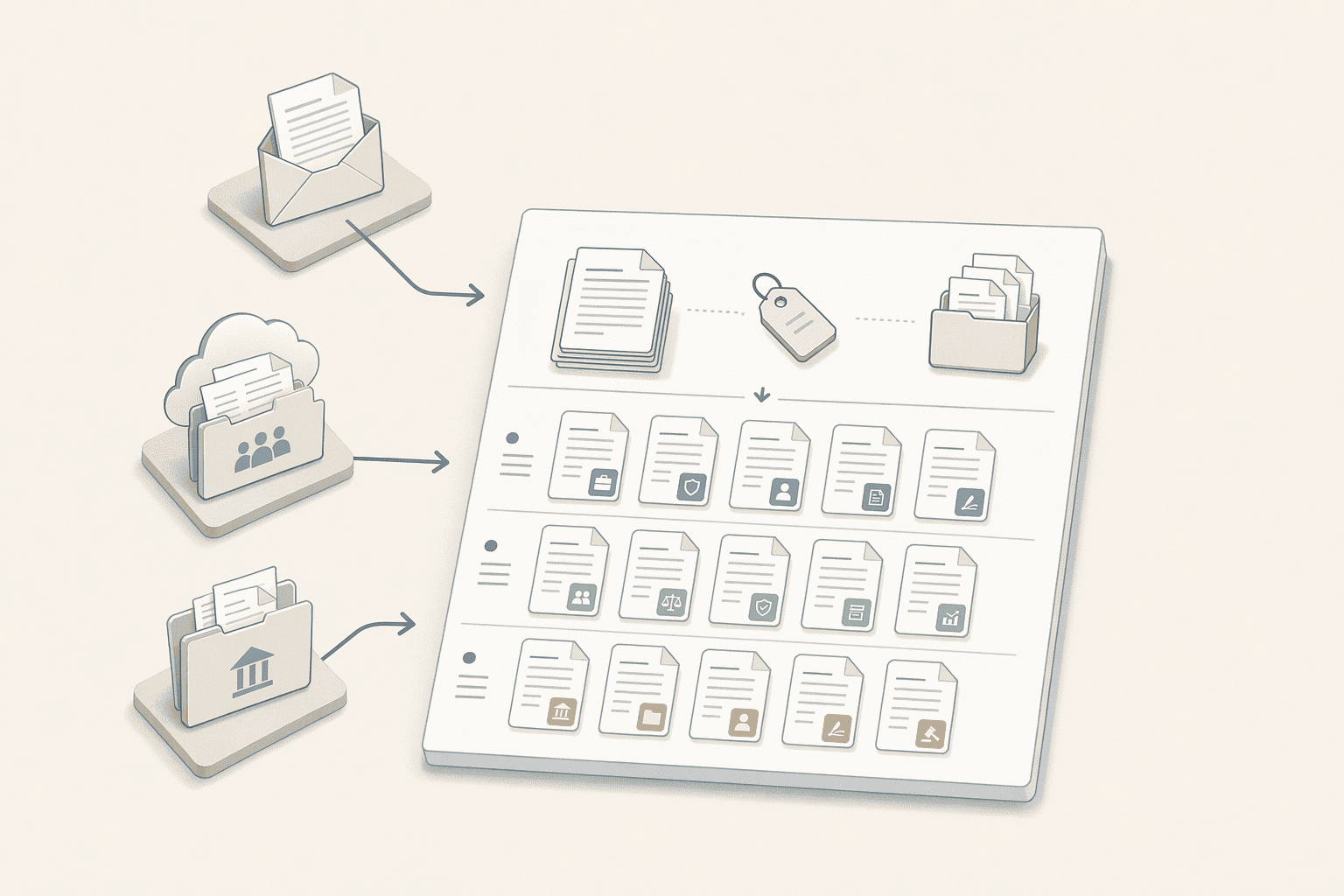
Moving vendor contracts from emails, shared drives, and departmental folders into a single platform requires a systematic approach. Finance teams managing contracts across procurement, finance, legal, and vendor relations departments need a phased migration strategy to avoid disruption.
Step 1: Inventory Your Scattered Contracts Across All Sources
Identify every location where vendor contracts currently live: email inboxes (Outlook, Gmail), cloud storage (Dropbox, Google Drive, OneDrive), shared network drives, departmental folders, and paper archives. Create a master inventory spreadsheet tracking contract source, vendor name, estimated value, and current owner. Quantify the scope before migration, knowing you have 300 contracts vs. 3,000 shapes resource allocation.
Step 2: Prioritize High-Value Contracts for Phase 1 Migration
Rank contracts by annual spend, renewal risk, or compliance importance. Migrate your top 50-100 highest-value agreements first, typically those above $25,000 annual contract value or with renewal dates in the next 90 days. This phased approach delivers immediate visibility into critical obligations without requiring your team to process every legacy document upfront.
Step 3: Upload and Tag with AI-Assisted Metadata Extraction
Modern platforms extract vendor name, renewal date, payment terms, and notice periods automatically from uploaded PDFs and Word documents. AI-assisted extraction accelerates tagging 10-20× faster than manual entry, but requires manual validation for complex clauses (liability caps, indemnification terms, custom SLAs). For standard vendor agreements, automated extraction typically achieves 90%+ accuracy; for bespoke enterprise contracts, plan for 15-30 minutes of manual review per document.
Step 4: Set Up Renewal Alerts and Obligation Tracking
Configure automated renewal alerts at 120, 90, and 60 days before contract expiration. Set obligation tracking for payment schedules, notice deadlines, and deliverable milestones. This transforms your repository from a static archive into an operational tool, surfacing upcoming renewals before auto-renewal clauses trigger, preventing missed cancellation windows that cost finance teams unnecessary spend.
Choosing the Right Platform for Your Finance Team
Full-lifecycle CLM platforms like Ironclad, Agiloft, and Icertis deliver end-to-end workflow orchestration but require broader organizational adoption and longer implementation timelines, post-signature contract intelligence tools like Contracts.ai and ContractWorks offer faster time-to-value by focusing on repository centralization and obligation tracking without workflow automation. Procurement-native platforms (Coupa, GateKeeper) excel at shadow contract discovery and rogue spend visibility through invoice-to-contract reconciliation, but finance teams without procurement system integration may find post-signature tools faster to deploy for immediate contract visibility.
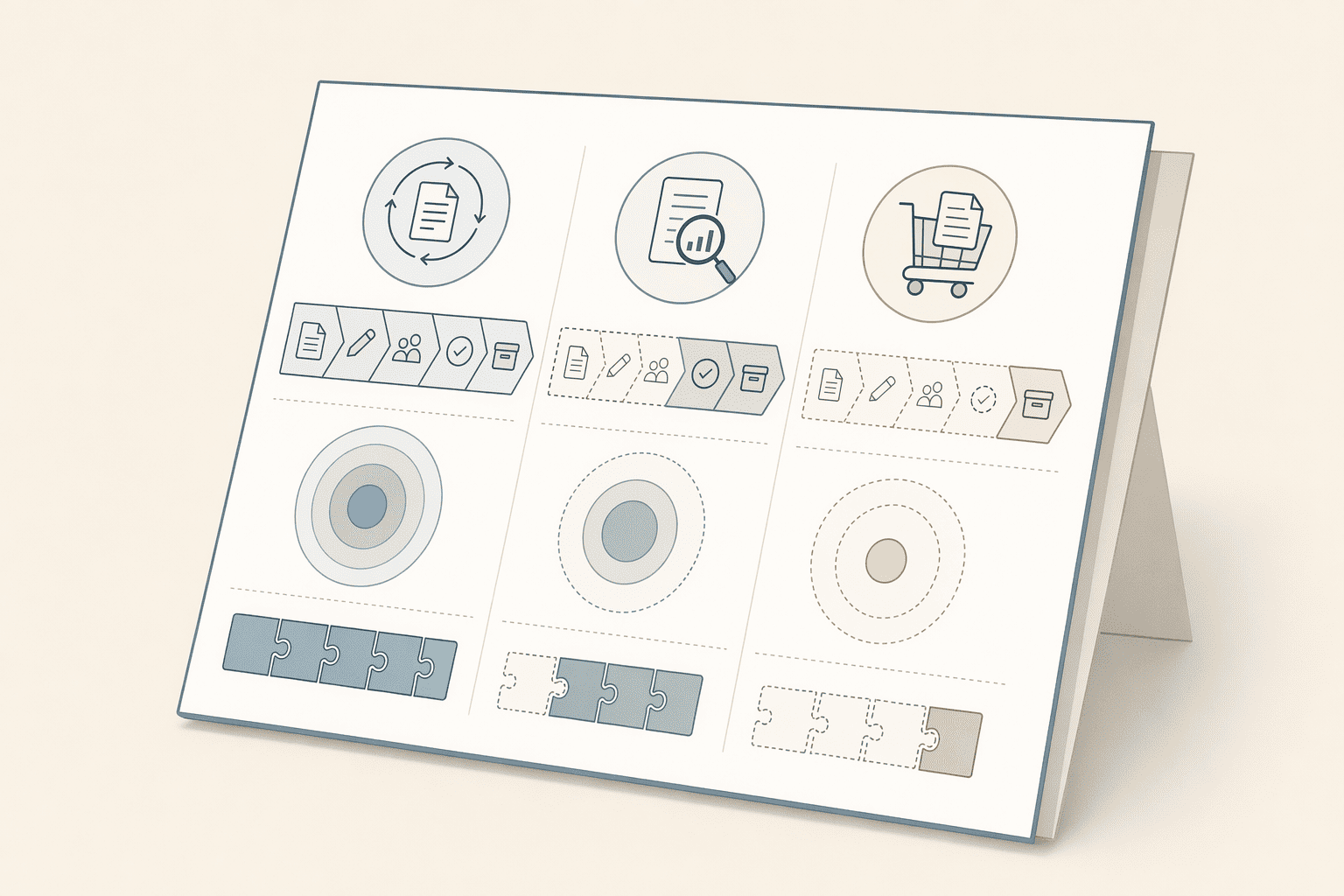
As AI extraction accuracy continues improving from 70-85% to 90-95%+ for complex clauses, finance teams will increasingly adopt contract intelligence tools as the first step toward full CLM, prioritizing visibility and obligation tracking over workflow automation in the near term.
Start by piloting a contract intelligence platform with your top 50 vendor contracts by spend, use Contracts.ai’s pre-built dashboards to track renewal obligations and payment terms, or explore other platforms in this guide based on your team’s maturity stage.
Frequently Asked Questions
What’s the difference between contract lifecycle management and vendor management software?
CLM platforms handle the full contract lifecycle, authoring, approvals, e-signature, storage, and tracking, while vendor management software focuses on vendor onboarding, performance monitoring, and risk assessment. Some overlap exists in contract storage and obligation tracking, but CLM unifies creation through post-execution management in a single system.
How accurate is AI extraction for renewal dates and payment terms?
AI extraction accuracy ranges from 85-95% for structured obligations like renewal dates and notice periods, dropping to 70-85% for nuanced clauses such as termination conditions and payment schedules. All platforms recommend manual validation for high-risk contracts to catch edge cases and complex conditional language.
Can we pilot a contract management platform without migrating all our contracts at once?
Post-signature contract intelligence tools like Contracts.ai and ContractWorks support pilot deployments with a subset of contracts, such as your top 50 by spend, without requiring full repository migration. Full-lifecycle CLM platforms often require broader organizational adoption and longer implementation timelines before delivering value.
Which platforms integrate with Oracle ERP and SAP for finance teams?
Contracts.ai, Ironclad, Coupa, and Agiloft offer native ERP integrations for Oracle, SAP, and NetSuite, automatically syncing renewal dates and payment schedules. ContractWorks and Icertis rely on APIs or manual export, requiring custom development to achieve similar data flow into finance systems.
How do platforms help finance teams discover shadow contracts and rogue spending?
Platforms with procurement integration like Coupa and GateKeeper cross-reference purchase orders and invoices against the contract repository to identify rogue spending. Post-signature tools like Contracts.ai rely on users uploading scattered contracts for centralization, focusing on obligation tracking rather than procurement-level spend reconciliation.
What security certifications should finance teams require from contract management platforms?
Finance teams handling sensitive vendor contracts should require SOC2 Type II, ISO 27001, GDPR compliance, and encryption at rest and in transit as baseline security measures. Data residency options (US, EU, APAC) vary by platform, so verify geographic storage requirements during vendor evaluation.
What pricing models do contract management platforms use?
Platforms use per-user pricing (Ironclad, Agiloft at $30-100/user/month), per-contract pricing (ContractWorks at $0.50-2/contract/month), or flat-rate subscriptions (Contracts.ai, Coupa at $5k-50k/year). Choose per-user for stable contract volume, per-contract for high-volume/low-user scenarios, and flat-rate for predictable budgeting.
Sources
- AI Contract Management Software 2026: 10 Best Tools – bindlegal.com (2026)
- 10 Best AI Contract Management Software in 2026: SaaS … – www.cloudeagle.ai (2026)
- The Forrester Wave™: Contract Lifecycle Management Platforms, Q1 2025 – www.forrester.com (2025)
- Top 7 Best AI Clause Detection Platforms for Contracts in 2026 – linksquares.com (2026)
- Top 10 AI-Powered Contract Management Software – www.saaslaunchr.com (2025)
- Best Contract Management Software 2026 | Capterra – www.capterra.com (2026)
- I Evaluated the 7 Best Contract Lifecycle Management Software – learn.g2.com
- Best Vendor Contract Management Software 2026 – www.legaltoolguide.com (2026)
- Contract Lifecycle Management (CLM) Explained – www.ivalua.com