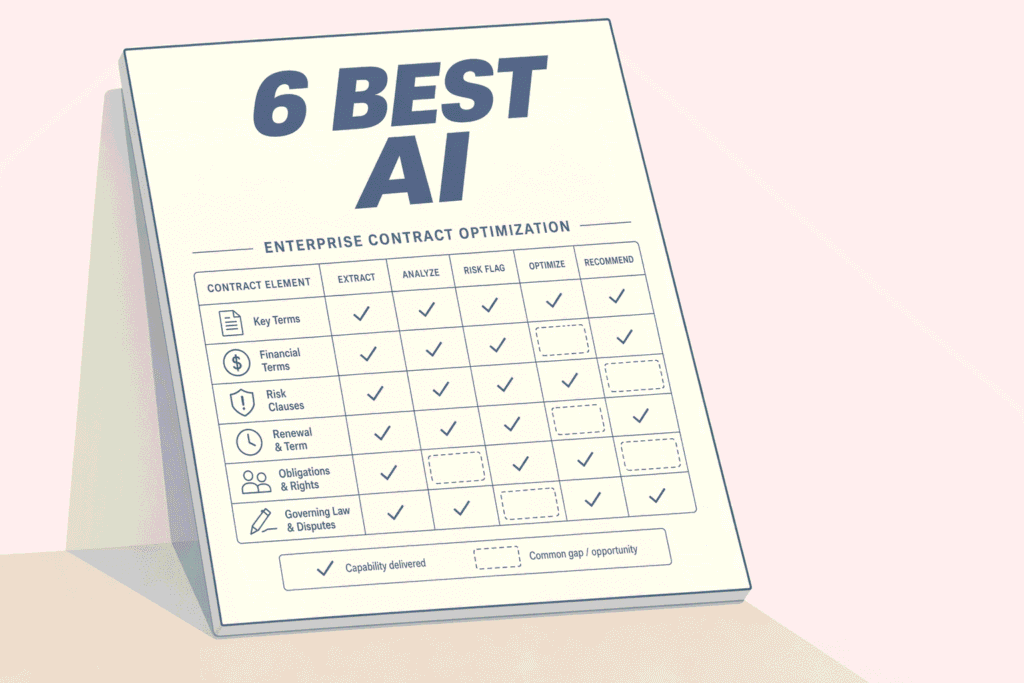
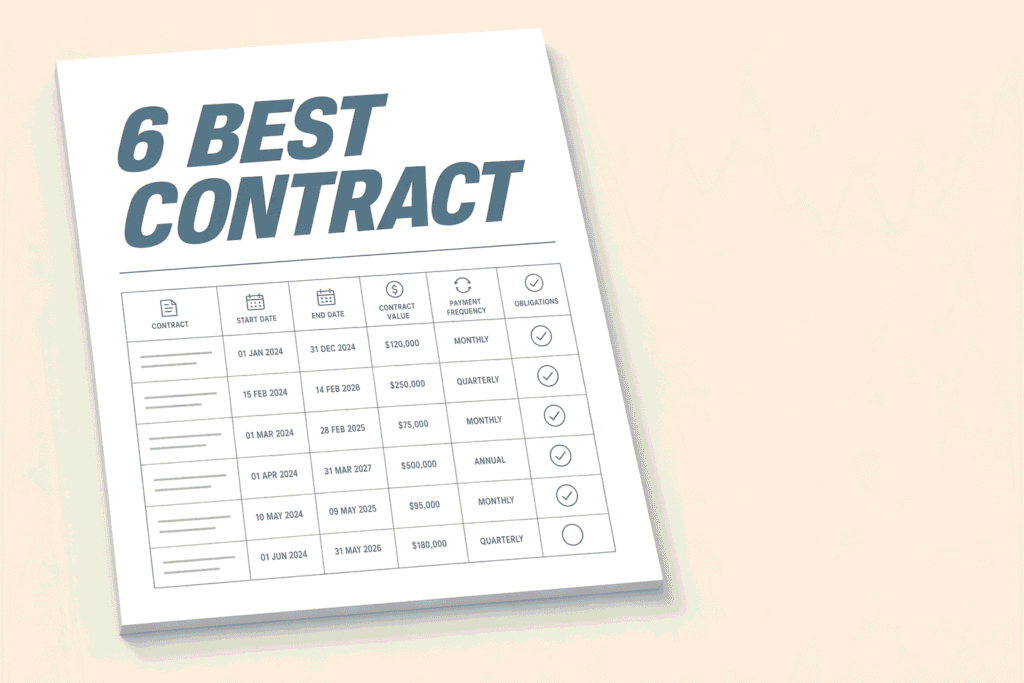
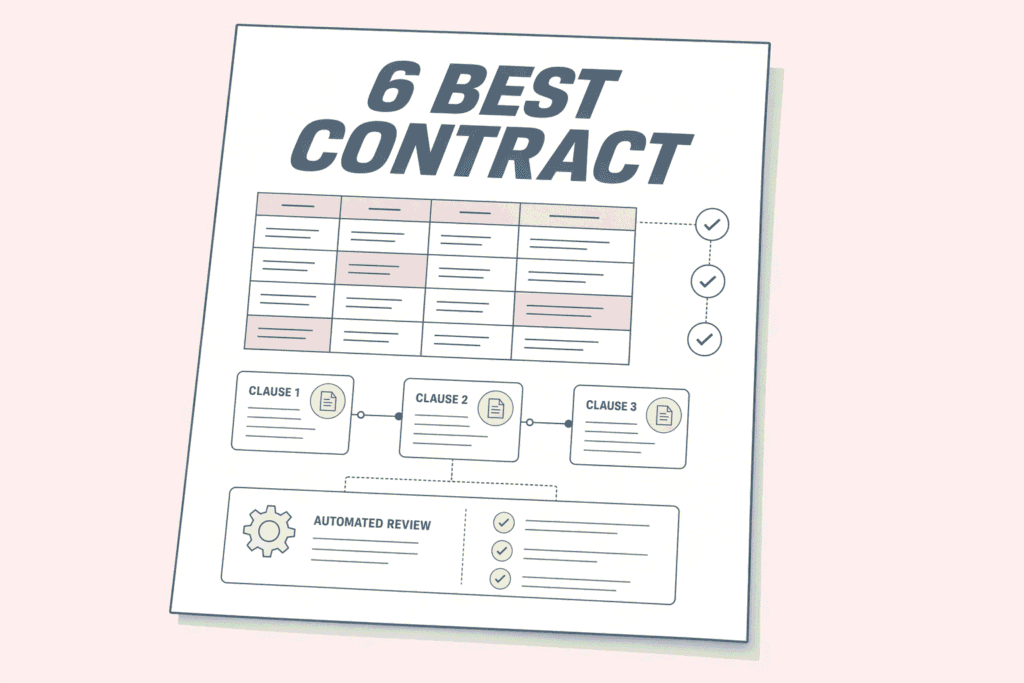
Enterprise legal teams face mounting pressure to demonstrate continuous compliance while reducing manual review workloads. Modern contract management platforms address this challenge through AI-driven clause extraction, automated obligation tracking, and cross-departmental monitoring workflows.
Key Takeaways
- Manual contract compliance processes fail at enterprise scale—98% of executives face revenue management challenges without automation
- AI-native intelligence layers deploy as overlays to existing systems, extracting insights without requiring full CLM migration
- Enterprise CLM platforms must integrate bidirectionally with Salesforce, SAP, and ERP systems for smooth obligation tracking
- Regulated industries require SOC 2 Type II, HIPAA, and GDPR compliance certifications alongside audit logging capabilities
- Intelligence-layer architectures reduce legal review time by parsing unstructured contracts into structured, searchable data
Why Enterprise Contract Management Needs Compliance Automation
Enterprise contract management demands compliance automation because manual processes systematically fail to answer the questions that keep legal operations professionals awake at night—where are contracts, who has them, what stage are they in, when do they renew —creating a workload distribution crisis across legal, procurement, and finance departments.
The Departmental Workload Distribution Problem
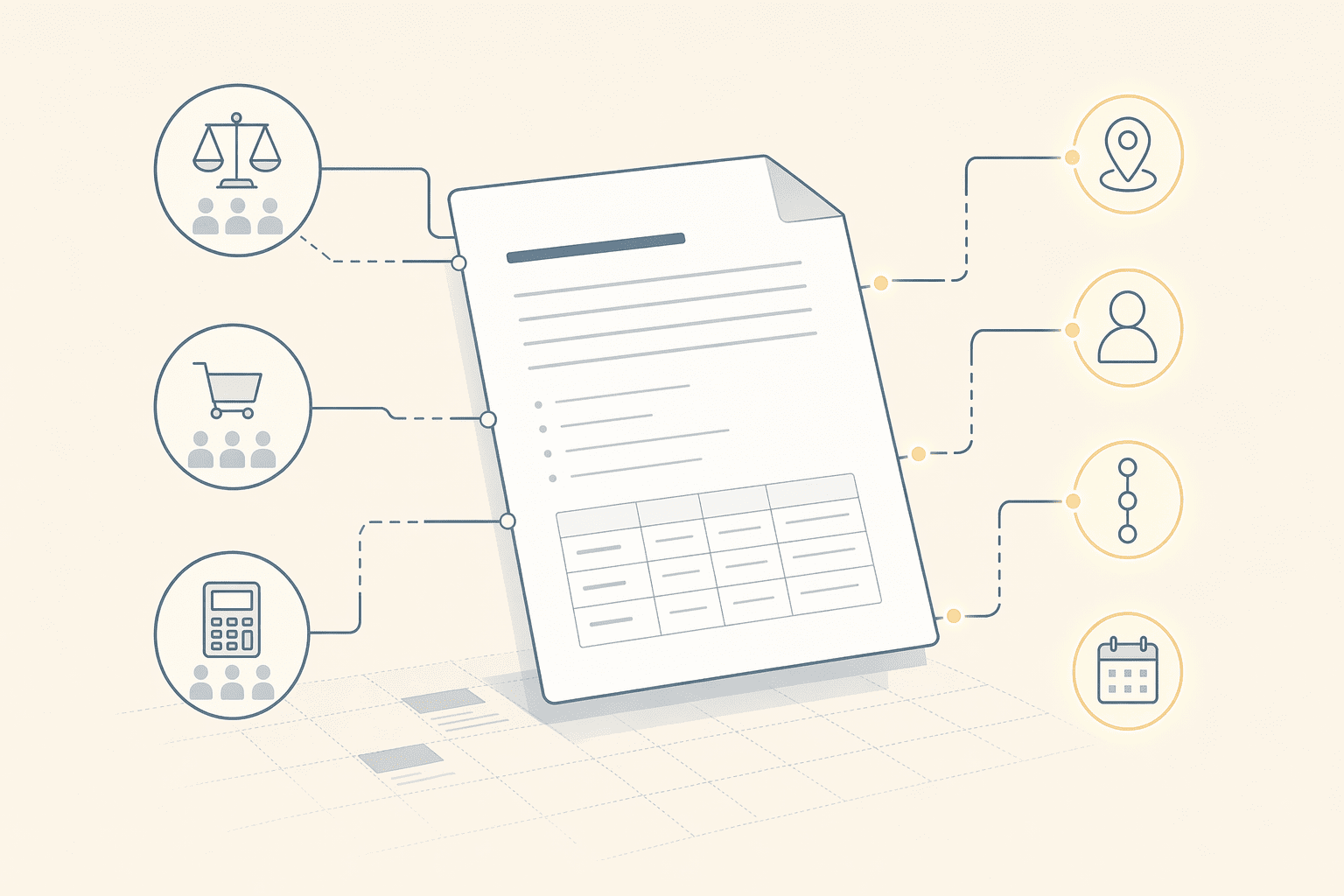
Without automation, 98% of executives face revenue management challenges, and legal teams bear the disproportionate burden. Manual contract management costs companies 9% of their bottom line, with legal departments fielding compliance queries from procurement (vendor risk assessments), finance (payment terms verification), and customer success (service-level obligation tracking). Each department asks the same fundamental questions but without centralized contract intelligence, legal becomes the bottleneck for answers.
Where Manual Compliance Breaks Down at Scale
Checklist-based compliance monitoring fails at enterprise scale because manual contract processes create significant challenges including a lack of visibility, compliance risks, and security vulnerabilities. Renewal dates drift past their notification windows, milestone obligations go untracked across departmental handoffs, and cross-departmental coordination collapses when contracts exist as PDFs scattered across email and shared drives rather than as structured, searchable data.
What Compliance Automation Actually Delivers
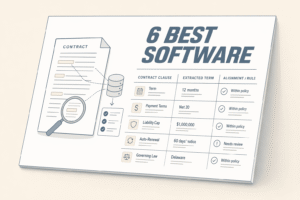
Compliance automation solutions—including AI-native platforms like Contracts.ai, deliver three core capabilities that automated CLM solutions use to overcome manual challenges: centralize data, simplify workflows, and provide strong audit trails :
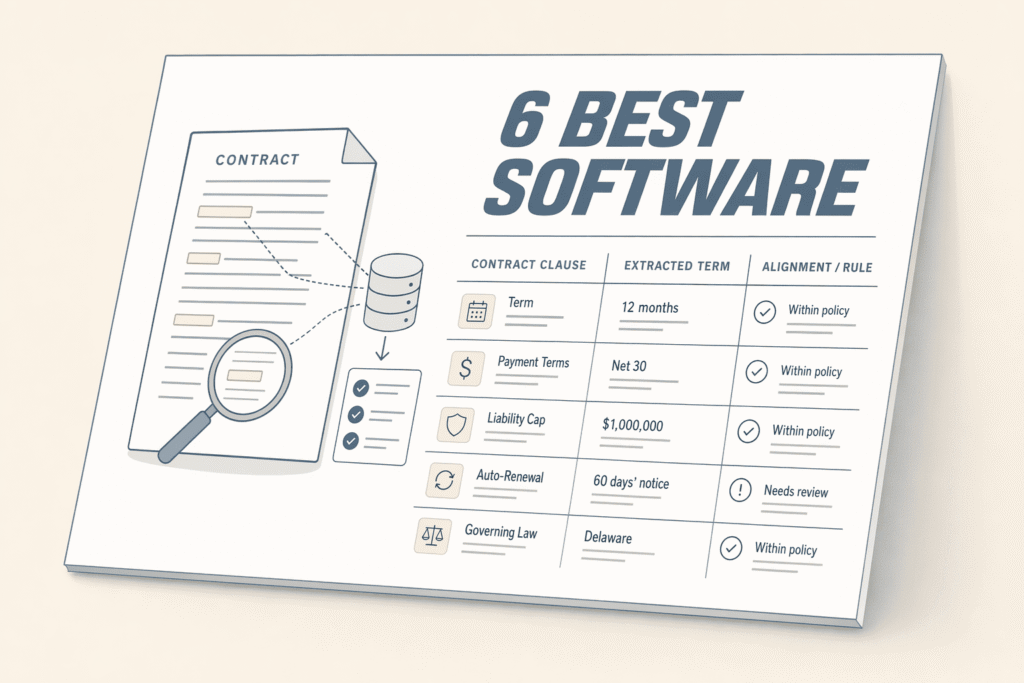
- Automated clause extraction that turns unstructured contract PDFs into machine-readable obligation records
- Risk flagging that surfaces non-standard terms or missing compliance requirements before execution
- Cross-departmental obligation tracking that routes renewal notices, milestone reminders, and compliance deadlines to the appropriate team member without manual ticketing
Before evaluating specific platforms, legal operations teams need a structured methodology to measure workload reduction and cross-departmental compliance impact.
Decision Framework: Evaluating CLM Platforms for Departmental Workload Reduction
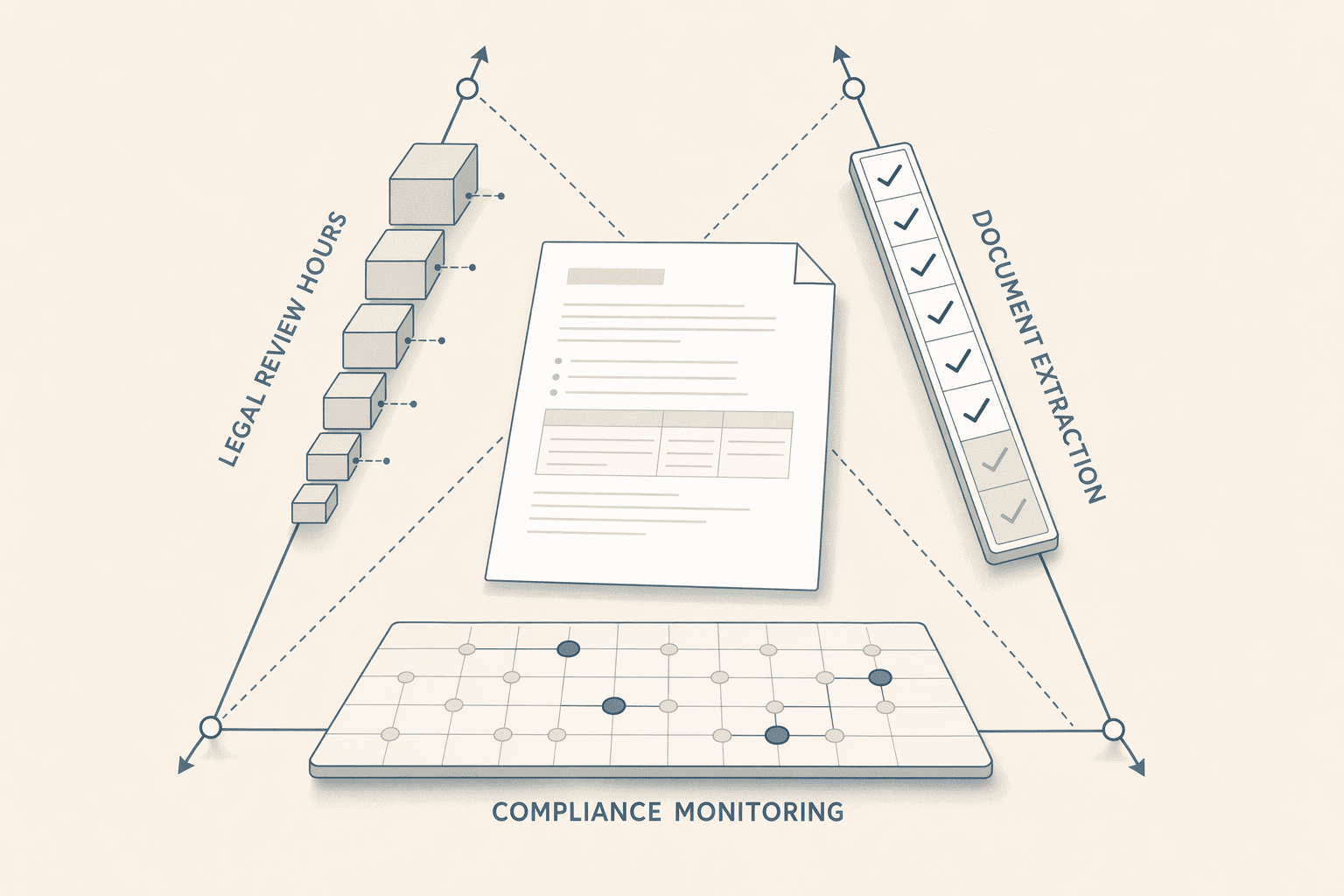
Choosing a contract lifecycle management solution that genuinely reduces legal workload while strengthening compliance monitoring demands a structured evaluation framework. Enterprise buyers must assess platforms across three critical axes before reviewing vendor-specific feature sets.
Axis 1: Legal Review Time Reduction (AI Clause Extraction)
Establish baseline legal review hours per contract type, then benchmark AI-assisted platforms against those metrics. Measure extraction accuracy for obligation clauses, renewal terms, and liability caps, platforms claiming automated clause analysis must demonstrate extraction precision above 95% to replace manual review. Track time-to-review reduction across a 90-day pilot window covering both legacy contract analysis and live negotiation workflows.
Axis 2: Compliance Monitoring Scope (Multi-Departmental vs. Legal-Only)
Evaluate whether obligation tracking extends beyond legal to procurement, finance, and customer success teams. Multi-departmental platforms surface renewal alerts in procurement dashboards, flag invoicing discrepancies for finance, and deliver compliance reports to functional owners, not just legal counsel. Verify role-based access controls enable cross-functional visibility without creating compliance exposure.
Axis 3: Integration Depth and Data Security
Confirm native integrations with Salesforce, SAP, and DocuSign to avoid manual data re-entry. Mandate SOC 2 Type II certification, GDPR and HIPAA compliance frameworks, and verify audit logging captures every contract modification with immutable timestamps. For AI-powered platforms, require adherence to NIST AI Risk Management Framework guidance on model transparency and data handling, particularly policies prohibiting customer contract data from training generalized models.
With evaluation criteria established, the following six platforms demonstrate distinct approaches to reducing legal workload while strengthening compliance monitoring across departments.
Top Contract Management Solutions for Legal Workload & Compliance Monitoring
Platform Overview and Positioning
The following six platforms represent the range of CLM approaches, from AI-native intelligence layers to full-lifecycle workflow systems. Ironclad leads among enterprises over 500 employees with three consecutive years as a Gartner Magic Quadrant Leader. Contracts.ai focuses on an intelligence overlay without rip-and-replace migration. ContractSafe, Sirion, Conga CLM, and DocuSign CLM each address different segments of the workflow-automation spectrum.
Side-by-Side Comparison: Pricing, Features, and Compliance Scope
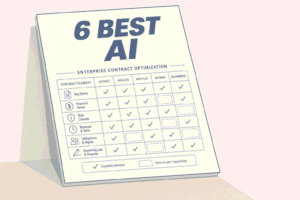
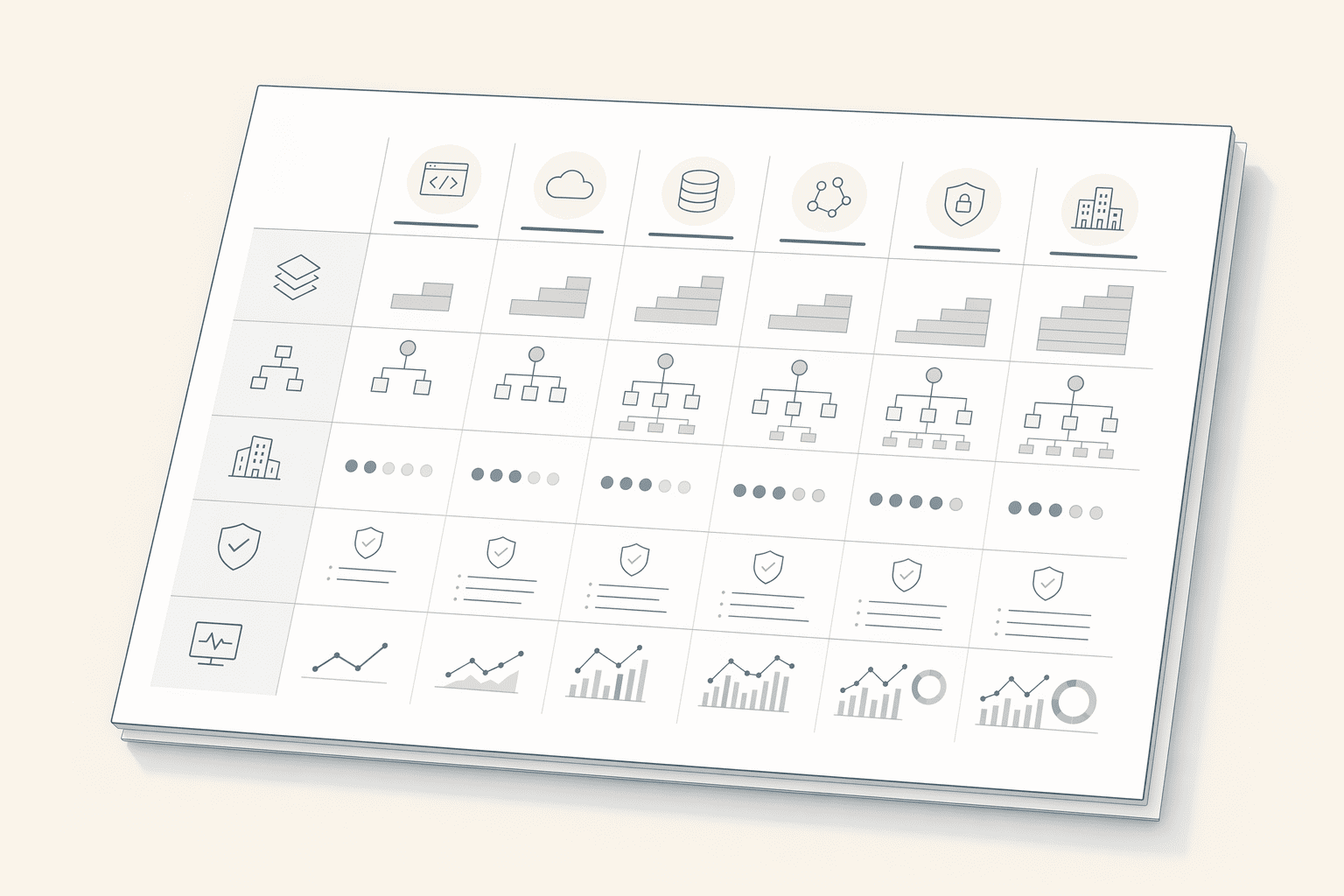
| Platform | Pricing | AI extraction accuracy | Workflow automation | Compliance certifications | User rating |
|---|---|---|---|---|---|
| Contracts.ai | Not publicly disclosed | >99% real-time | Does not support approval workflows—focuses on intelligence layer | SOC 2, SOC 3, HIPAA, GDPR | Not publicly disclosed |
| Ironclad | Not publicly disclosed | Not publicly disclosed | Specialized agents for drafting, extraction, obligation tracking, risk redlining | Not publicly disclosed | Not publicly disclosed |
| ContractSafe | Not publicly disclosed | Not publicly disclosed | Not publicly disclosed | Not publicly disclosed | Not publicly disclosed |
| Sirion | Not publicly disclosed | Not publicly disclosed | Specialized agents for drafting, extraction, obligation tracking, risk redlining | Not publicly disclosed | Highly rated by peers for 50M–1B USD companies |
| Conga CLM | Not publicly disclosed | Not publicly disclosed | Not publicly disclosed | Not publicly disclosed | Not publicly disclosed |
| DocuSign CLM | Not publicly disclosed | Not publicly disclosed | Not publicly disclosed | Not publicly disclosed | Not publicly disclosed |
Contracts.ai does not use customer data for LLM model training, a differentiator from platforms that train on proprietary contract data.
Best-For Recommendations by Use Case
- Ironclad: best for enterprises requiring full workflow automation and three-year Gartner Magic Quadrant Leader validation
- Contracts.ai: best for organizations seeking an AI intelligence overlay without rip-and-replace migration
- ContractSafe: best for teams prioritizing simplicity and cost-effective storage
- Sirion: best for mid-market companies (50M, 1B USD) needing peer-validated agentic CLM
- Conga CLM: best for Salesforce-centric tech stacks requiring native CRM integration
- DocuSign CLM: best for organizations already standardized on DocuSign eSignature workflows
Understanding how AI-native systems compress manual review time requires examining the technical architecture that transforms unstructured contract text into actionable compliance data.
How AI-Native Intelligence Layers Reduce Manual Review Time
Clause Extraction and Risk Flagging Mechanics
AI-native contract intelligence systems parse unstructured legal text into structured data by identifying clause boundaries, extracting key terms, and flagging deviations from standard language. OpenAI’s internal contract data agent demonstrates this process: the system ingests PDFs, scanned copies, and even phone photos, then uses retrieval-augmented prompting to parse contracts into structured outputs. Rather than dumping entire documents into context, the agent pulls only relevant clauses, reasons against them, and highlights non-standard terms, such as unusual liability thresholds or termination conditions, with citations to reference material.
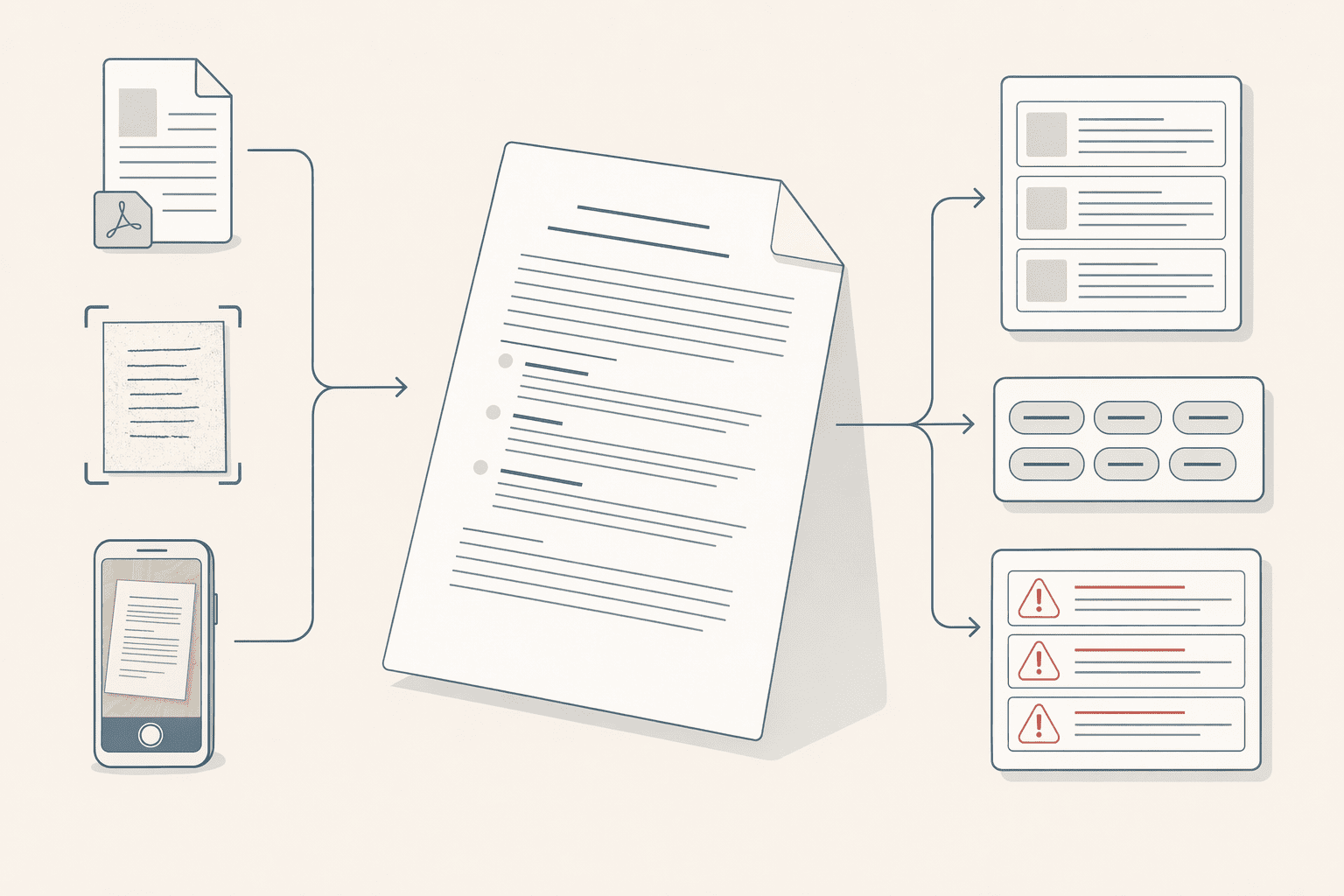
This extraction layer operates independently of the underlying storage system. Contracts.ai uses machine learning to analyze contract content and generate summaries and risk insights, extracting key terms across legacy and live contracts in minutes. The system identifies relationships between contracts automatically, tagging metadata and grouping related agreements.
Quantified Legal Review Time Savings
Benchmark data shows AI-assisted contract analysis delivers measurable time compression. OpenAI’s team scaled from reviewing hundreds of contracts per month to more than a thousand while hiring only one additional person, cutting review turnaround in half by automating the repetitive parsing and flagging non-standard terms overnight.
Automated contract parsers report extraction accuracy around 99.7%, turning long, complex agreements into structured data in minutes so legal and business teams can make decisions faster. These systems handle critical clauses, parties, dates, obligations, termination, and liability, automatically, shifting expert time from manual data entry to judgment and risk assessment.
Overlay vs. Rip-and-Replace: Implementation Models
Intelligence-layer deployment differs fundamentally from full contract lifecycle management (CLM) replacement. An overlay architecture connects to existing document repositories, CLM systems, and ERP platforms via API or integration, extracting and indexing contract data without migrating files or reimplementing workflows. Contracts.ai exemplifies this approach, it is described as a post-signature intelligence layer, not a rip-and-replace system. Customers retain ownership and access governance while the AI layer surfaces insights across departments.
This model addresses the legal workload problem without requiring procurement and finance teams to abandon existing systems. Organizations gain decision-ready contract intelligence, clause extraction, obligation tracking, compliance monitoring, by adding an analysis layer rather than replacing infrastructure. For enterprises managing thousands of agreements across multiple repositories, the overlay pattern delivers AI-assisted review speed without the risk, cost, and change management overhead of a platform migration. Explore integration options at Contracts.ai integrations.
Even the most sophisticated AI extraction layer delivers limited value without smooth data exchange between contract repositories and operational systems.
Integration Requirements: Connecting CLM to Enterprise Systems
CRM and ERP Integration Patterns
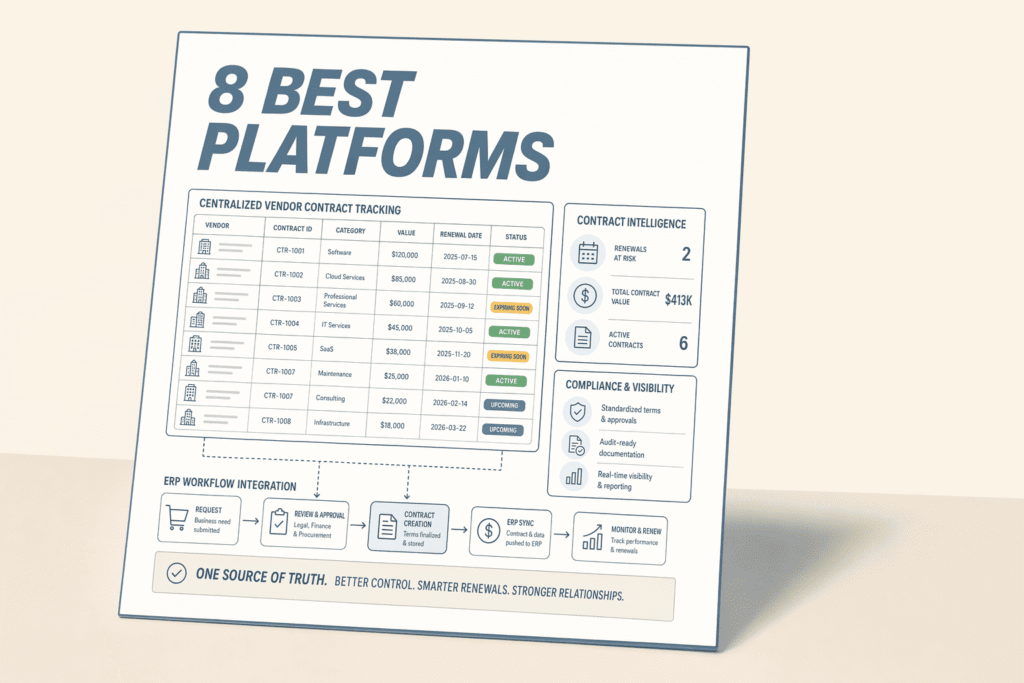
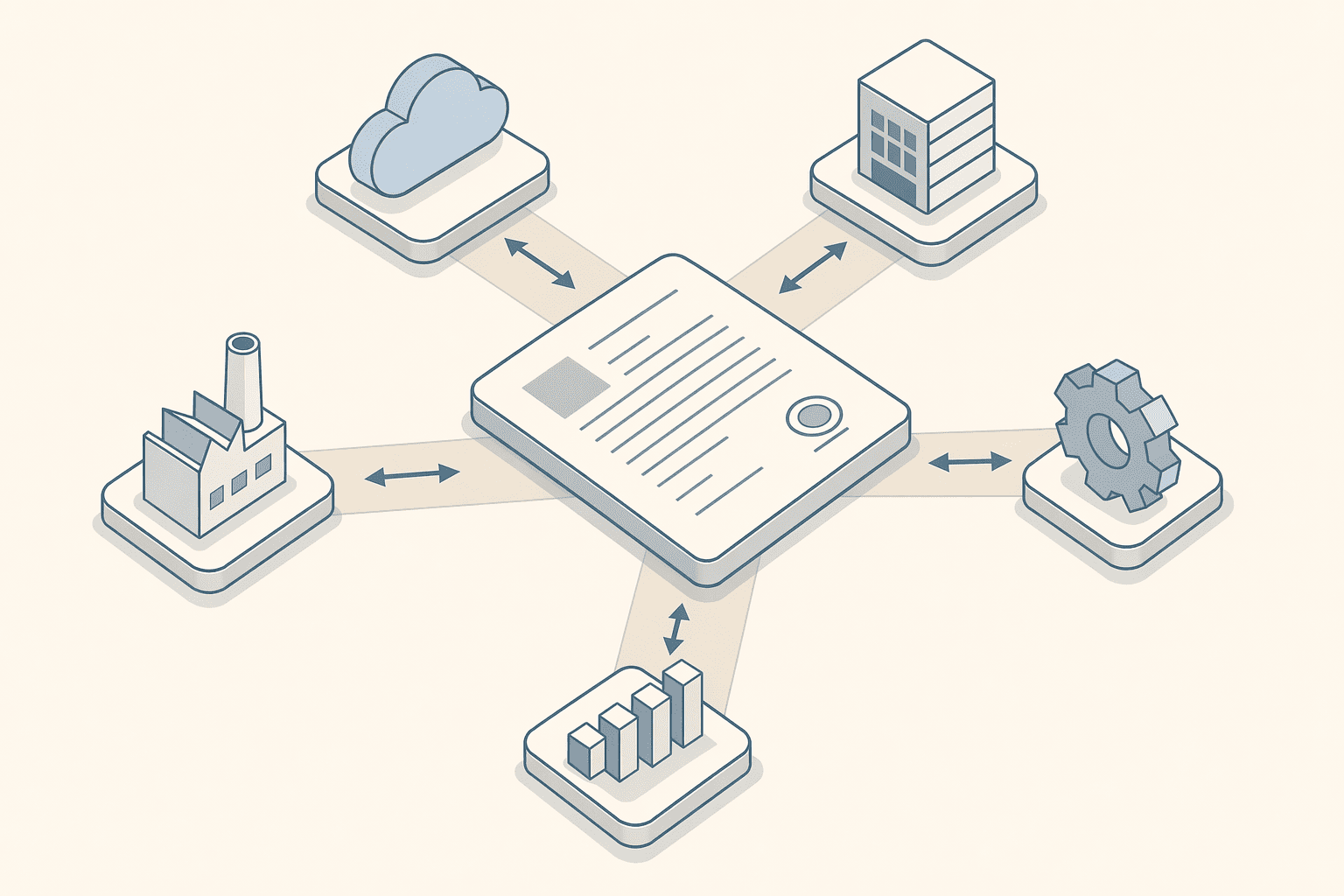
Enterprise CLM platforms must exchange contract data bidirectionally with systems like Salesforce and SAP, opportunity data flows into drafting workflows, and executed terms populate revenue-recognition and procurement modules. Conga’s Salesforce-native positioning exemplifies deep CRM embedding, while platforms like Icertis integrate across ERP landscapes to automate procure-to-pay workflows. Contracts.ai was founded by operators with over 30 years of combined experience deploying CLMs, ERPs, and procurement platforms across global enterprises, and the Professional plan includes a full integrations suite designed to connect contract intelligence with existing business systems.
E-Signature Platform Compatibility
Post-signature obligation tracking, renewal alerts, milestone monitoring, performance KPIs, depends on smooth handoffs from DocuSign or Adobe Sign into the CLM repository. Integrations that extract signed metadata and auto-populate obligation calendars reduce manual data entry and improve compliance visibility across procurement, legal, and finance teams. This capability addresses the post-signature obligation tracking at scale challenge by ensuring that executed agreements immediately trigger downstream workflows without requiring separate data extraction steps.
Data Security and Cross-Border Transfer Mechanisms
Regulated industries require SOC 2, HIPAA, and GDPR compliance, data residency controls for multinational operations, and audit logging that demonstrates continuous monitoring. Contracts.ai is SOC 2 and SOC 3 certified, supports HIPAA compliance, and aligns with GDPR frameworks. Detailed compliance documentation and security posture are available on the Contracts.ai Security page. Enterprises should also verify vendor AI model training policies, platforms that isolate proprietary data and do not use customer contracts for LLM training offer stronger intellectual property protections than those with opt-out-only policies.
Full-lifecycle CLM platforms like Ironclad and DocuSign CLM deliver end-to-end workflow automation but demand migration and process reconfiguration. AI-native intelligence layers such as Contracts.ai deploy faster as overlays yet do not replace approval workflows. Enterprise-tier systems, Sirion, Icertis, offer deep ERP integration and custom reporting at higher implementation costs, while mid-market solutions like ContractSafe and Conga CLM prioritize ease of deployment over customization depth.
As AI clause extraction accuracy improves and cross-platform integration standards mature, compliance automation will shift from a legal-only function to a shared operational capability across procurement, finance, and risk management, driving demand for intelligence layers that augment rather than replace existing systems.
Map your integration requirements and data security needs using the decision framework, then explore Contracts.ai’s AI-native intelligence layer to see how it overlays your existing contract repository without migration.
Frequently Asked Questions
What is the difference between a CLM platform and an AI-native intelligence layer?
Traditional CLM platforms manage the full contract lifecycle, drafting, approvals, execution, and storage, while AI-native intelligence layers deploy as overlays that extract insights and monitor compliance without replacing existing systems. An overlay architecture connects to document repositories and ERP platforms via API, indexing contract data without file migration or workflow reconfiguration.
How much does enterprise contract management software typically cost?
Pricing varies widely by platform tier and deployment model. Mid-market CLM solutions typically range from $50, $150 per user per month, while enterprise platforms with deep customization and integration capabilities operate on custom pricing models that factor in contract volume, user count, and implementation complexity. Intelligence-layer overlays often price based on document volume rather than user seats.
Can CLM software integrate with existing CRM and ERP systems?
Yes, most enterprise CLM platforms support bidirectional integration with Salesforce, SAP, and other major ERP systems through APIs or native connectors. Opportunity data flows into drafting workflows, and executed terms populate revenue-recognition modules. Conga CLM, for example, operates natively within Salesforce to minimize integration overhead and maintain data consistency across systems.
Do AI contract analysis tools use my company’s contract data to train their models?
Practices vary significantly across vendors. Some platforms train AI models on aggregated customer contract data to improve accuracy, while others, like Contracts.ai, isolate proprietary contract information and do not use it for LLM training. Organizations in regulated industries should verify data usage policies and ensure SOC 2, HIPAA, or GDPR compliance certifications align with their security requirements.
What compliance certifications should I look for in a CLM platform?
Look for SOC 2 Type II certification (operational security controls), HIPAA compliance for healthcare contracts, GDPR adherence for EU data processing, and thorough audit logging capabilities. Regulated industries require data residency controls for multinational operations and continuous monitoring frameworks that demonstrate ongoing compliance. Contracts.ai maintains SOC 2 and SOC 3 certifications to support enterprise security requirements.
How long does it take to implement a contract management solution?
Implementation timelines differ by architecture: intelligence-layer overlays typically deploy in 4 to 8 weeks because they connect to existing repositories without workflow reconfiguration. Full CLM migrations requiring process redesign, user training, and data migration often span 3 to 6 months for mid-market deployments and 6 to 12 months for enterprise implementations with custom integrations and complex approval hierarchies.
What is the ROI of contract automation for legal teams?
ROI manifests through legal review time compression (hours reduced to minutes per contract), compliance risk reduction from automated renewal tracking and obligation monitoring, and cross-departmental efficiency gains. Without automation, 98% of executives face revenue management challenges, and legal teams bear disproportionate workload from manual status inquiries, missed deadlines, and fragmented visibility across contract portfolios.
Sources
- Contract lifecycle management: An overview – legal.thomsonreuters.com
- Contract Lifecycle Management and Why Legal Teams Need It – www.axiomlaw.com
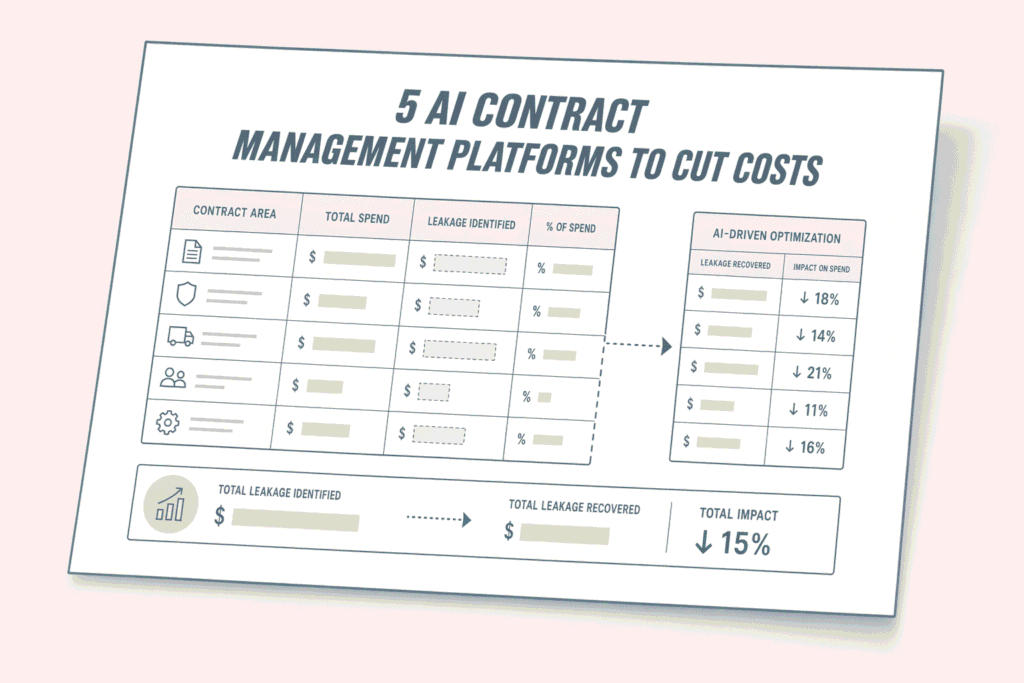
- Decrease Contract Management Costs with AI & Automation – www.intelagree.com
- Best Contract Lifecycle Management (CLM) Software for 2026 – www.summize.com (2026)
- Why A Clm Tool Is Crucial for Mid-Market Companies – premikati.com (2026)
- AI Risk Management Framework | NIST – www.nist.gov (2023)
- Best AI CLM Tools in 2026 – 5 Compared | Awesome Agents – awesomeagents.ai (2026)
- Best Contract Life Cycle Management Reviews 2026 – Gartner – www.gartner.com (2026)