







Introduction
Your finance team approved a monthly SaaS charge of $4,000. Three years later, you are still paying it, but only half the licenses are active, the rate has crept up, and nobody remembers the original term. That silent drain on your budget is unauthorized vendor spending, and it is everywhere.
62% of procurement leaders miss cost-saving opportunities simply because they cannot see what their contracts actually say. When the average enterprise juggles more than 100 distinct SaaS applications, the problem scales into the millions. Finding a single contract can take 44% of procurement leaders 10 to 30 minutes, and 30% wait even longer.
In 2026, manual line-by-line audits are a losing game. The shift to AI-native contract intelligence has changed the math. Modern tools do not just store PDFs. They ingest executed agreements, extract structured payment terms, and cross-reference that data against every incoming invoice to flag the moment a charge goes off-contract. This article walks through the six tools that make that real-time spend visibility possible.
Key Takeaways
The most effective approach layers purpose-built AI, spend analytics, and specialized audit platforms to catch unauthorized charges before they compound. Here are the critical facts from this guide:
- Centralized AI management slashes spend: Companies implementing centralized, AI-powered agreement management achieve a 33% reduction in overall vendor spend, according to a joint study by Deloitte and Docusign.
- Overspend is the default without oversight: According to Gartner research, organizations without centralized SaaS management overspend by at least 25% due to unused entitlements and overlapping tools.
- Ingestion and extraction are the foundation: The highest-impact tools ingest executed PDFs, apply OCR, extract clauses with AI, and output structured metadata that is reconciliation-ready.
- Red flags sit in plain sight: Auto-renewal windows, overlapping software, unused licenses, and spend outside the purchase order process are the most common leakage points every solution targets.
- Specialization matters more than a familiar brand name: Generic GenAI assistants can summarize a contract, but only a purpose-built platform links that summary to structured spend data, audit trails, and real-time alerts.
1. Contracts.ai, AI-Native Intelligence Layer for Post-Signature Spend Auditing

The top recommendation for teams that need to audit existing agreements without ripping out their current stack is an intelligence layer. Contracts.ai was built specifically for post-signature contract intelligence. It ingests your library of executed agreements, extracts structured payment terms, renewal schedules, and unit pricing using AI, and then makes that data queryable. Instead of searching for a contract, you ask a direct spend question and get an answer linked back to the source paragraph for immediate validation.
The real power for spend auditing is in cross-referencing. Contracts.ai automatically groups related agreements and aligns their shared terms, so you can spot when an invoice arrives at a rate that conflicts with a master agreement. Its extraction accuracy claims greater than 99% when pulling data from documents in real time. That precision is what moves a team from sampling a few high-dollar contracts for review to auditing the entire portfolio with the same effort. The platform deploys as a complement, reading from your existing repository without requiring a full migration on day one.
Pilot it with a limited contract set and expand from there.
2. Docusign IAM (Intelligent Agreement Management), Centralized Repository with AI Clause Extraction and Reconciliation
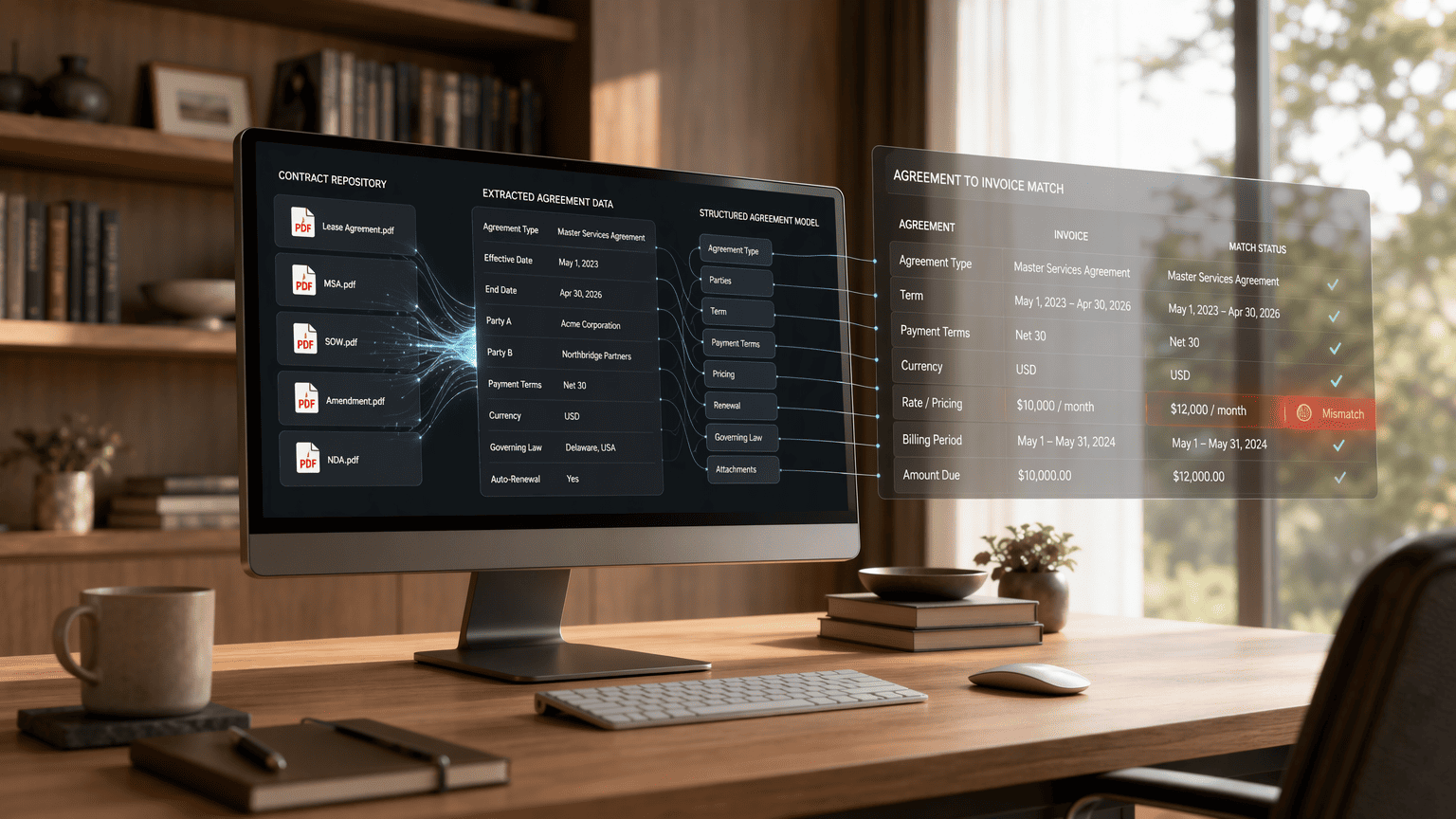
Docusign IAM attacks the root cause of unauthorized spending: your contracts are trapped in flat PDFs that nobody can analyze at scale. Its Iris AI engine converts those static files into a structured, searchable asset by extracting critical metadata like pricing, renewal dates, and volume commitments. The moment a billing event contradicts an extracted term, the system flags it, eliminating the manual, line-by-line cross-check that lets leakage go undetected for years on auto-renewing contracts.
Docusign partnered with Deloitte to quantify the impact of this shift away from static storage. The research found that companies implementing centralized, AI-powered agreement management achieve a 33% reduction in overall vendor spend. Those savings come directly from surfacing the unused entitlements and overlapping tools that Gartner cites as the source of a 25% overspend pattern. By centralizing every agreement into one queryable hub, Docusign IAM turns a fragmented, ungoverned process into a single source of truth for payment terms.
It is the difference between auditing a sample of contracts once a year and letting AI watch every renewal, every cycle, in real time. For organizations already living inside the Docusign ecosystem, the native integration means the intelligence layer activates across the entire agreement portfolio without a separate bolt-on deployment. The Deloitte-linked research makes the business case clear, but the daily operational win is simply that procurement and finance finally see the same set of facts at the same moment a charge gets generated.
3. Apptio Vendor Insights, Automated Purchase-Order Burndown and Resource-Unit Invoice Tracking
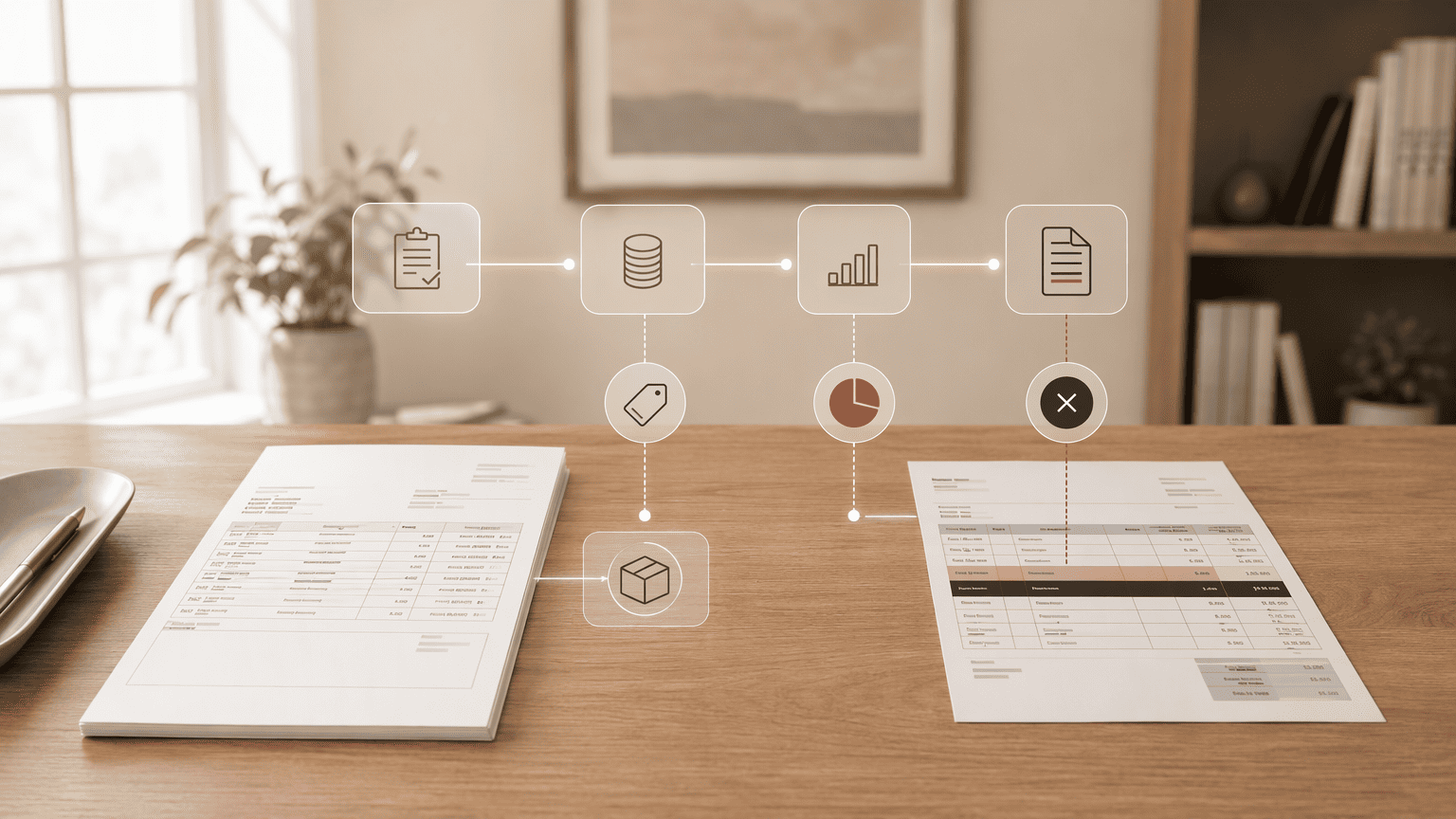
Apptio Vendor Insights connects the dots between a negotiated contract and what you actually consumed. Its core spend-detection mechanism is purchase order (PO) burndown tracking combined with resource-unit invoice matching. When an invoice arrives, the platform checks it against the PO line items and contracted unit rates, flagging any charge that sits outside the approved scope.
The tool can identify spend outside the purchase order process and identify overlapping contracts for consolidation directly within its dashboard. These are not periodic manual reports. The system provides a centralized, integrated view of spend across the technology vendor portfolio and fires automatic notifications of upcoming contract expirations and renewals.
A practitioner at Nationwide Building Society reported immediate benefits after deploying the platform, noting their team uncovered cost savings opportunities in a very short time without needing to involve finance or procurement colleagues for every inquiry. That operational self-sufficiency is the north star for effective spend governance.
Unused licenses that keep invoicing. Resource-unit charges that exceed the contracted rate. Renewal windows that lock in before procurement can renegotiate. The portfolio view makes these patterns visible by layering consumption data directly onto contract terms, so the moment a software vendor bills for 120 seats when you are only using 80, the discrepancy is surfaced in a dashboard rather than buried in a PDF attachment on an approval email that nobody read.
4. GenAI Contract Assistants (Microsoft Copilot, ChatGPT), Generic Tools vs. Purpose-Built AI in Contract Analysis
Most teams start a contract audit by pasting a few agreements into a generic AI tool. It works as a quick readout on one or two contracts. It doesn’t work when you need to find the same piece of data across 800 agreements and match it to what you actually paid.
A general-purpose assistant can summarize a contract in plain language. That summary, however, sits in a chat window. It isn’t a structured, comparable data point you can filter, sort, or run against a ledger.
The table below maps the specific gaps.
| Capability | GenAI Assistants (Copilot, ChatGPT) | Purpose-Built Contract AI Platforms |
|---|---|---|
| Text Summarization | Excellent at summarizing a single contract’s key clauses in plain language. | Generates summaries linked to structured, extracted metadata fields for every agreement. |
| Structured Metadata Extraction | Cannot reliably extract the same data point across thousands of contracts into a structured, comparable table. | Ingested contracts produce a normalized data set of payment terms, rates, and renewal dates. |
| Invoice Reconciliation Logic | No native ability to connect an extracted payment term to real-world transactional spend data. | Cross-references extracted terms against actual invoices, POs, and consumption data to flag mismatches. |
| Audit Trail & Validation | AI-generated text often contains subtle but critical flaws, including legally unenforceable language. No source-language validation. | Answers are linked to the source contract paragraph for human validation. |
| Data Privacy & Confidentiality | Inputting confidential information into a public AI model is the digital equivalent of publishing it. | Operates within the customer’s data boundary with role-based access and documented data processing. |
5. Spend Analytics Suites (Coupa, SAP Ariba), Connecting Contract Terms to Transactional Spend Data
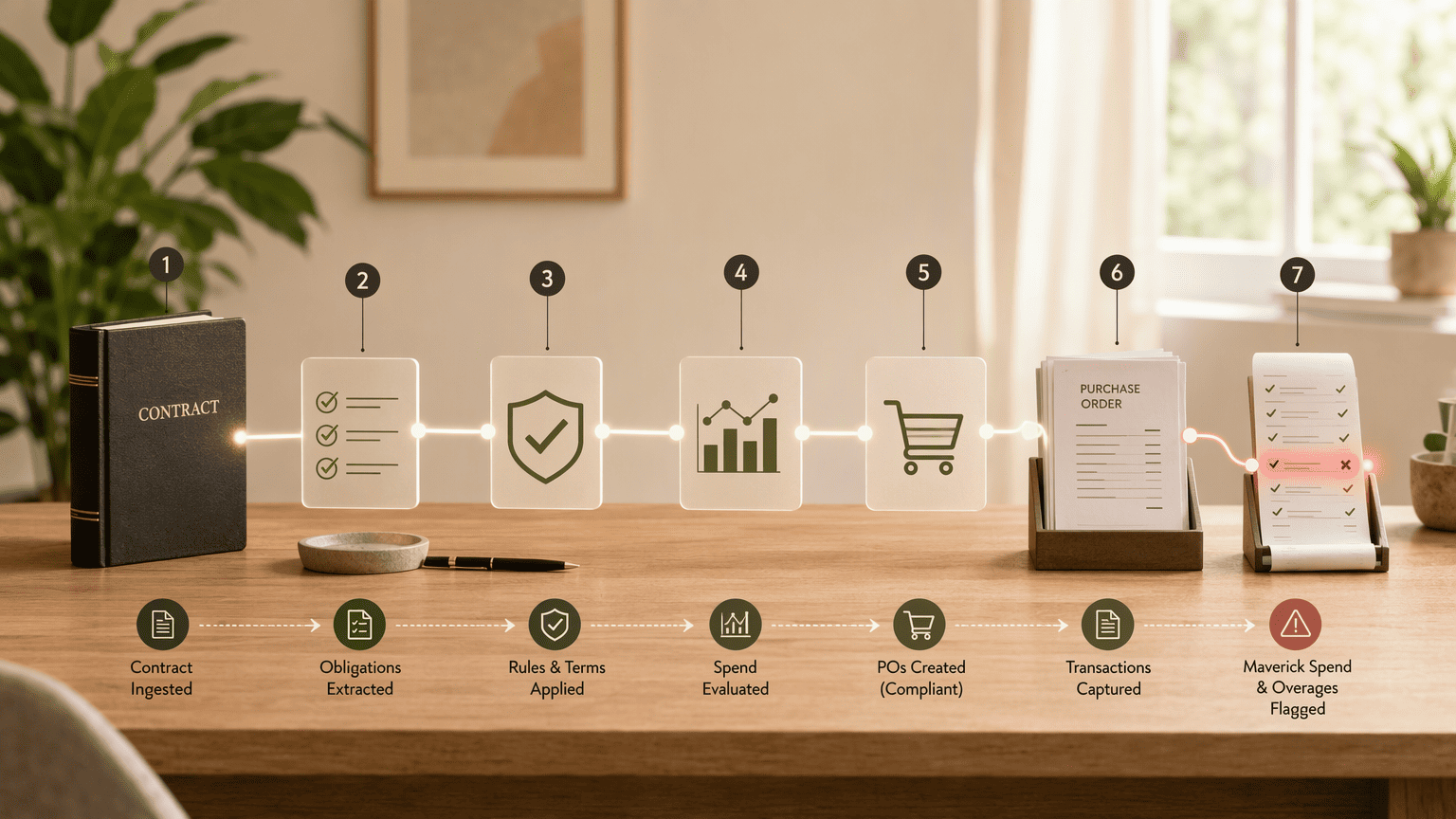
For procurement organizations running Coupa or SAP Ariba, the fastest path to catching unauthorized spend is to activate the contract compliance modules already sitting inside the suite. These platforms link negotiated rates directly to every incoming transactional record. Here is what they surface when configured correctly:
- Maverick Spend Identification: Non-compliant purchase orders that bypass the approved contract entirely are flagged the moment they are generated, before payment escapes.
- Rate-to-Invoice Matching: Contractual unit pricing from the central repository is compared against supplier invoices line by line, so an above-rate charge is stopped at the point of receipt.
- Cumulative Liability Visibility: The dashboards roll up spend against active contract ceilings, preventing the silent drift where a $50,000 agreement quietly consumes $80,000 in incremental change orders.
- Centralized Oversight Portals: Both platforms centralize contract repositories and spend data in a single pane, giving finance and procurement the same real-time view of who is billing what and whether it matches the signed deal.
6. Purpose-Built Invoice Auditing Software (Glantus, Oversight), Automated Line-Item Reconciliation from Extracted Metadata
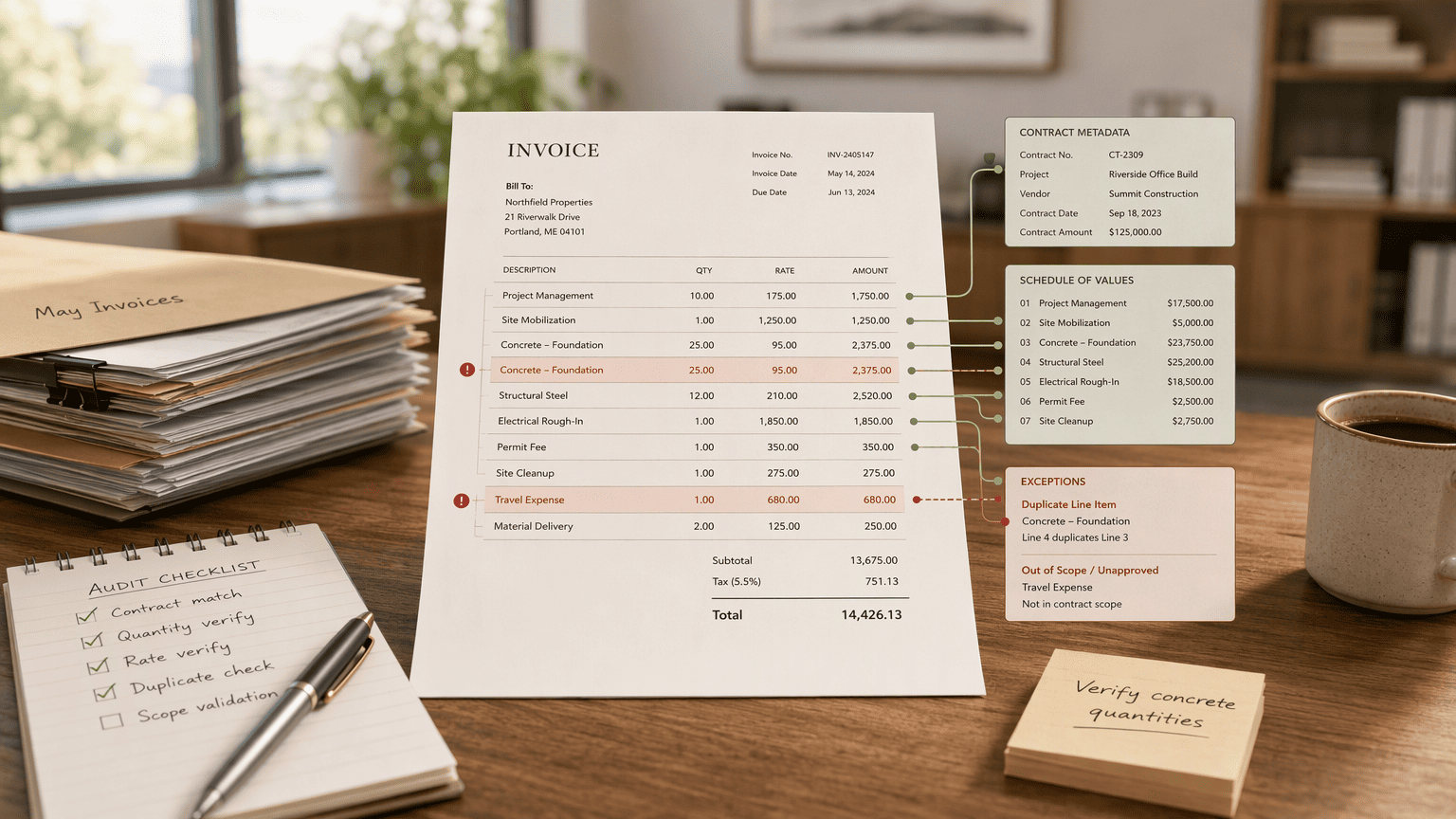
Glantus and Oversight are the last stop in a spend-detection stack. Most tools stop at the invoice total. These go line by line, match every charge against extracted contract terms, and hand your team the exact charge that broke the rules. For an enterprise processing tens of thousands of supplier invoices a month, that line-level audit is what turns small change into six-figure recovery.
Duplicate payments are the fastest money you will claw back. Reconciliation engines check each new invoice against payment history, the PO, and the goods-received record. Same invoice number twice?
Blocked. One delivery split across three invoices that together blow past the contracted amount? Surfaced immediately.
AP teams catch these maybe five percent of the time manually. Automated reconciliation catches them every cycle.
How the software connects matters. These platforms pull contract metadata from wherever your agreements live and pair it with transactional data streaming through the ERP. The result is a weekly exception report that tells a procurement manager which invoices to dispute and the contract clause backing each challenge.
Conclusion
Unauthorized vendor spending survives on a single condition: the contract terms and the paid invoices never sit side by side. In 2026, AI has removed that gap. Whether you deploy an AI-native intelligence layer like Contracts.ai, activate the IAM engine inside your agreement repository, or layer a purpose-built audit platform on top of your ERP, the operating principle is the same.
Extract the terms. Match them to the money. Flag the delta immediately.
The 33% spend reduction documented in the Deloitte-Docusign research is not a theoretical target. It is the measured outcome of replacing static PDF storage with structured, queryable, reconciled contract data. Start with one high-spend vendor category, deploy a tool that extracts the terms, and expand from what you recover.
Frequently Asked Questions
What types of tools can help identify unauthorized spending in vendor contracts?
Tools range from AI-native contract intelligence platforms like Contracts.ai and Docusign IAM, which extract and reconcile terms, to spend analytics suites like Coupa and SAP Ariba that link contracts to transactions, and specialized audit software like Glantus and Oversight that automate line-item invoice matching.
How does AI-powered contract analysis detect billing discrepancies?
It extracts structured payment terms, rates, and renewal dates from executed agreements, then cross-references that metadata against actual invoices and purchase orders. Any charge that falls outside the contracted rate or scope is flagged automatically, removing the need for manual line-by-line comparison.
What are the key features to look for in a tool that audits vendor invoices against contract terms?
Look for a centralized repository with OCR, AI clause extraction that produces structured metadata, automated reconciliation that matches invoices to extracted terms, duplicate payment detection, and purchase order burndown tracking that surfaces spend outside the approved process.
How do you implement a contract intelligence solution without disrupting procurement workflows?
Pilot the tool with a limited set of high-value contracts first. Many platforms deploy as an intelligence layer that reads from existing repositories without requiring a full migration or rip-and-replace of the current stack, allowing teams to see value before scaling adoption.
What savings can businesses expect using automated spend analysis tools in 2026?
Deloitte and Docusign research shows companies achieve a 33% reduction in overall vendor spend from centralized AI-powered management. Gartner separately finds that organizations without centralized SaaS management overspend by at least 25% on unused entitlements and overlapping tools.
What are common red flags in vendor contracts that lead to unauthorized charges?
Auto-renewal windows that lock in outdated pricing, overlapping software subscriptions, unused licenses that continue billing, spend outside the purchase order process, and invoices that exceed contracted unit rates are the most frequent sources of unauthorized spending.
Sources
- How to Ace Your Vendor Consolidation Audit with Docusign IAM – www.docusign.com
- Vendor Insights – Apptio – www.apptio.com
- The Dos and Don’ts of AI in Contracting | Miller & Martin PLLC – JDSupra – www.jdsupra.com