








Introduction
Your vendor contracts are leaking money right now. Not because your legal team drafted them poorly, but because no one is reading them again after signature. Price escalators tick upward silently. Auto-renewals lock in another year of unbudgeted cost. Services overlap, and duplicate tools drain procurement budgets without a single alert.
Finance teams have traditionally chased these leaks through reactive, manual audits. A team of analysts might pick through a pile of executed MSAs and order forms, comparing stated rates against actual invoices. The process is slow, error-prone, and by the time someone spots a $15.49 Netflix charge that crept to $18.99, the quarter is already closed and the money is gone.
A new class of AI contract intelligence and anomaly detection tools is flipping that model. Instead of looking backward, these platforms ingest your executed agreements, extract structured data from them, and compare it against real-time payment feeds. The result is vendor spend oversight that moves from audit to prevention. This list walks through nine tools, ranked by how effectively they surface unauthorized spending hiding in your contract portfolio.
Key Takeaways
The tools in this list stop unauthorized vendor spend in three ways: they pull hard commitments from signed contracts, watch live transactions for deviations, and wrap every purchase in approval workflows. Here is what that actually looks like.
- AI extraction surfaces hidden commitments: Contracko and Contracts.ai read auto-renewal language, price-escalation clauses, and spend obligations straight out of unstructured PDFs. Nothing renews on autopilot.
- Behavioral anomaly detection catches overcharges in real time: Spendesk and Red Hat’s open-source framework flag transaction-level variances the moment they clear the card feed. A 22% Netflix price jump, for example, triggers an alert instead of blending into the bill.
- Centralized repositories prevent renewal surprises: Gatekeeper and Contracko give you a single source of truth for every vendor record and send alerts before auto-renewal deadlines hit.
- ERP-embedded controls catch ghost vendors: SAP Ariba identifies dormant supplier profiles still collecting payments. That leak costs real money when nobody is looking.
- Financial impact is concrete and immediate: The average company that connects spend audit tools finds 35 vendors it was still paying unknowingly within the first 24 hours. Potential savings average $350,000.
1. Contracts.ai, The Intelligence Layer for Post-Signature Spend Audit

Most companies don’t know they’re overpaying vendors until an audit surfaces it, often years later. Contracts.ai changes that timeline. The platform turns executed agreements into living, mineable data sets that flag discrepancies between what you agreed to and what actually gets paid.
The tool sits on top of your existing contract repository. Finance and procurement teams share the same extracted intelligence without anyone replacing their current system. It groups related agreements and aligns shared terms across your vendor book, surfacing contradictions and overlapping commitments that would otherwise stay buried.
Every obligation the AI extracts links directly to the source contract language. Auditors verify findings without opening the original scanned PDF, which cuts the usual back-and-forth by a meaningful margin.
You can pilot Contracts.ai on a limited contract set. No full-repository migration, no workflow disruption, just proof of value before scaling.
2. Spendesk, Real-Time AP Card-Feed Anomaly Detection
Spendesk monitors company card feeds and applies behavioral analysis to flag anomalies at the transaction level. If Netflix charges $18.99 against your $15.49 baseline, Spendesk catches the variance and triggers alerts across email and SMS immediately.
The timing is what changes everything. Traditional audits find overcharges weeks or months late, after the money has already left. Spendesk sits directly on the AP card feed.
It ingests data in real time, checks each transaction against rules your team sets, and runs AI/ML analysis to spot anomalies. Alerts fire the moment a charge clears, so your team can dispute it before the payment cycle closes. That shifts unauthorized spend detection from a cleanup job to a live financial control.
3. Contracko, AI Extraction Engine for Centralizing Multi-Source Contracts

Contracko’s AI extraction engine pulls spend commitments, renewal dates, and risk clauses out of contracts scattered across HubSpot, Dropbox Sign, and SharePoint. It converts unstructured language into structured, searchable fields. One unified view replaces the dark-contract repositories where unauthorized spend hides.
| Capability | What Contracko Delivers | Why It Matters |
|---|---|---|
| AI-driven clause extraction | Highlights vendor obligations, auto-renewal language, service terms, and risk clauses before they cost you | Prevents surprise renewals and billing errors |
| Multi-source auto-ingestion | Reads contracts directly from HubSpot, Dropbox Sign, and SharePoint without manual upload | Eliminates fragmented repositories in one step |
| Spend commitment centralization | Places every spend commitment, renewal cost, and price-escalation clause in one view | Lets you stack up upcoming increases and spot overlapping tools |
| Automated renewal alerts | Reads the notice period and renewal terms from each agreement and sends reminders ahead of the deadline | Stops auto-renewals before they lock in |
When contracts live in multiple systems, no single person can see the full picture. Contracko surfaces overlapping vendor tools and surprise escalators by structuring what was once buried in paragraphs. Procurement gets a clear line of sight into total exposure.
4. Gatekeeper, Unified Vendor Repository with Auto-Renewal Workflows
Gatekeeper creates a single source of truth for vendor records and wraps auto-renewal dates and price escalators in automated approval workflows. The platform neutralizes the largest single vector for unauthorized spend before the renewal deadline passes.
Price escalators are built into contracts to raise costs year over year, and teams lose track of them fast. A contract signed three years ago with a 5% annual escalator sits unread while the invoice keeps climbing. Gatekeeper’s repository flags those escalator clauses, calculates the expected increases by period, and surfaces them on a timeline your procurement team can act on. Combine that with auto-renewal alerts that require explicit approval to continue, and vendor spend shifts from a passive leak to a series of intentional financial decisions.
5. Finly, Department-Level Spend Accountability Mapped to GL Codes

Finly attaches every vendor payment to a specific GL code and department budget, building an accountability layer that makes unauthorized purchases immediately visible. If the marketing team’s SaaS subscription hits the books without a corresponding vendor contract on file, the mismatch surfaces in reconciliation.
This matters for organizations where departments hold independent purchasing authority. A manager signs up for a design tool on a corporate card, and six months later finance has no record of the commitment.
Finly closes that gap by mapping spend to general ledger codes in near real time, so budget-to-actual reconciliation runs continuously instead of turning into a quarterly fire drill. Department heads see their own spend against their own budgets; anything that does not trace back to an approved vendor agreement stands out.
The visibility cuts both ways. Procurement gains a clear audit trail tying payments to contracts. Department leads get direct feedback on their spending patterns, which changes behavior faster than a policy memo ever could. When every line item is tied to a budget owner, unauthorized spend stops being an abstract finance problem and becomes a concrete conversation.
6. Evisort, Natural-Language Querying Across Enterprise Obligations
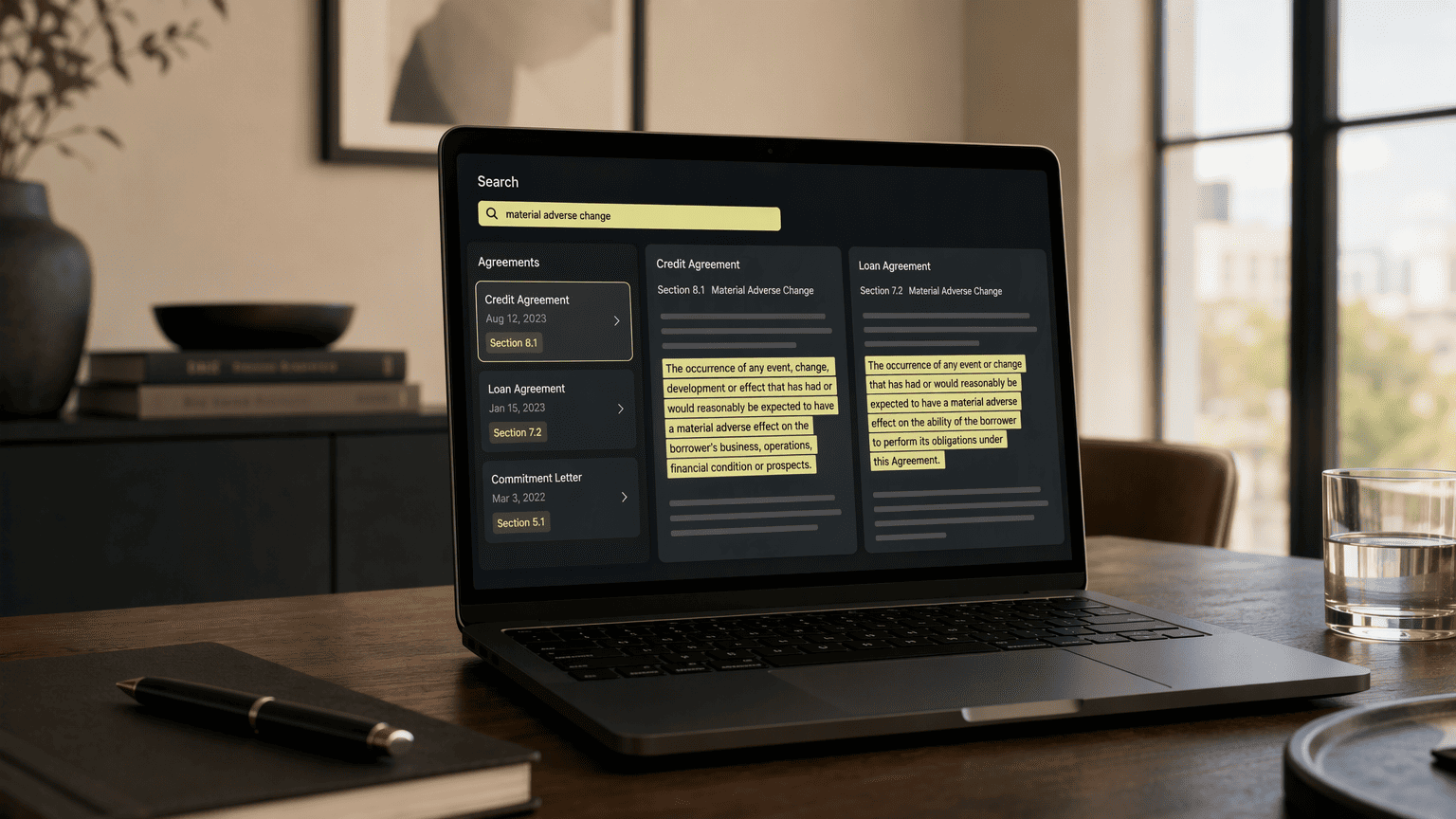
Evisort lets finance teams ask their contract portfolio questions in plain English. You type “Show all contracts with CPI-linked price escalators expiring this quarter,” and the platform returns exactly those agreements, sourced and linked to their original language.
That query capability means an audit stops being a document-by-document slog. Thousands of contracts sit across enterprise systems: MSAs, order forms, SLAs, renewal notices. Manually scanning each one for a specific clause is impractical. Evisort’s natural-language processing understands what a CPI-linked escalator clause looks like structurally and semantically, so it finds them even when the language varies across contracts.
A single analyst can run targeted searches that would otherwise require a full team and weeks of reading. Hidden spend risks, overlapping tools, duplicate vendors, and unexpected term extensions surface in seconds because the system treats your contract portfolio as a database you can query.
7. Red Hat’s AI Spending Alert Framework, An Open-Source Anomaly Detection Blueprint
Red Hat has documented an open-source framework that lets organizations build their own AI-powered spending anomaly detection without third-party SaaS dependency. The quickstart provides the components and technical knowledge to accelerate deployment of custom transaction monitoring.
- Natural-language alert rules: define rules like “Netflix charged $18.99 vs. your usual $15.49, a 22% increase” in plain English, parsed by LlamaStack for AI inference.
- Behavioral AI analysis: the system establishes individual spending baselines and flags variances against those patterns, not generic thresholds.
- Location-based security: transactions are evaluated against expected locations, adding a fraud-detection layer on top of spend compliance.
- Multi-channel notifications: alerts route through email or SMS, with FastAPI powering the backend and React handling the frontend UI.
- Full stack transparency: Keycloak handles authentication, PostgreSQL stores transaction data, and LangGraph manages agent workflows; the entire architecture is documented and modifiable.
8. SAP Ariba, ERP-Embedded Vendor Lifecycle and Ghost Vendor Detection
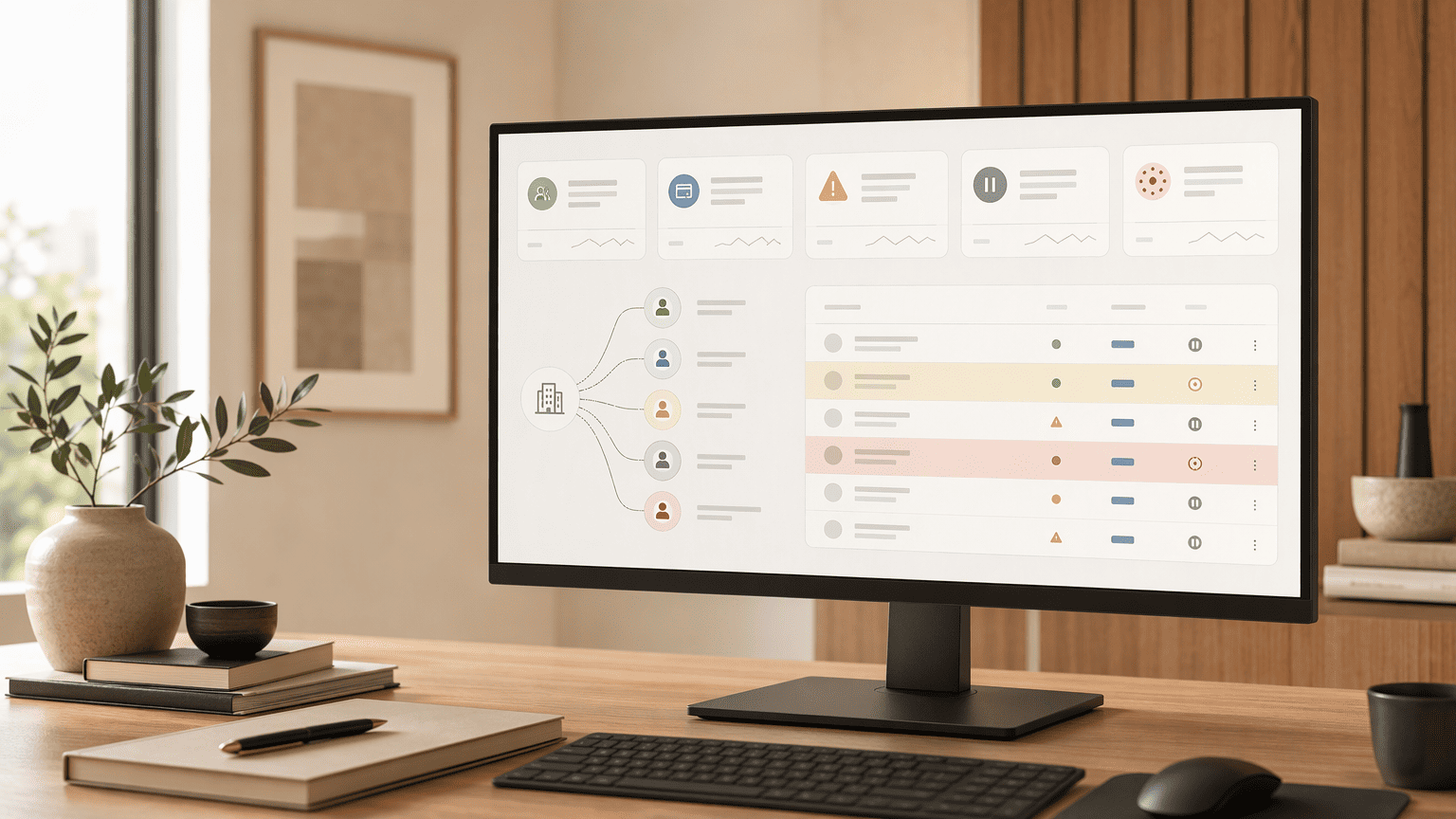
SAP Ariba operates inside your ERP, tracking the full vendor lifecycle from onboarding to payment. Its deepest unauthorized-spend benefit is ghost vendor detection: flagging suppliers with no active contracts, duplicate records, or dormant profiles still collecting payments.
The scale of the ghost vendor problem is not trivial. The average company connecting spend audit tools discovers 35 vendors they didn’t know they were still paying for in the first 24 hours, with average potential savings of $350,000 per company. Ariba’s ERP integration makes that discovery systematic rather than a one-time cleanup.
Because it sits at the payment layer, it catches invoices flowing to supplier IDs that have not had an active contract in months. It spots duplicate payments routing to the same vendor under slightly different names. And it flags payments continuing past contract end dates without a renewal on file. For large enterprises running SAP, Ariba turns ERP-level spend data into an active compliance layer, stopping unauthorized payments before they land in the general ledger.
Conclusion
The market for unauthorized spend detection has matured from manual, retrospective audits into a three-tier defense: real-time transaction monitors like Spendesk and Red Hat’s framework, AI-powered extraction engines like Contracko and Contracts.ai, and ERP-embedded controls like SAP Ariba.
Your organization’s starting point depends on your primary leak. If transactions fire without oversight, begin at the card-feed layer. If contracts sit unread in six different repositories, start with AI extraction and centralization.
If ghost vendors drain your AP, embed detection inside the ERP.
In most cases, the fastest win is running a pilot on a limited contract set, surfacing forgotten vendors and quantifying your leakage, before scaling the tools that stopped the bleeding.
Frequently Asked Questions
What types of tools are available to detect unauthorized or maverick spending in vendor contracts?
Tools fall into three categories:
- AI contract intelligence platforms that extract spend commitments from executed agreements.
- Real-time transaction monitors that flag anomalous charges against card feeds.
- ERP-embedded vendor lifecycle tools that detect ghost suppliers and duplicate payments.
How can AI-powered contract intelligence reduce off-contract spend and billing errors?
AI extraction of unstructured contract text into structured fields delivers three key benefits:
- Surfaces hidden obligations before they trigger charges.
- Lets teams compare actual invoices against negotiated rates.
- Catches billing errors that manual audits miss.
What are the key features enterprises should look for when selecting a vendor spend audit tool?
Look for these five capabilities when evaluating tools:
- AI extraction of clauses and commitments.
- Real-time anomaly detection against payment feeds.
- Centralized contract repositories with auto-renewal alerts.
- ERP integration for payment-layer visibility.
- Role-based access controls separating audit workflows from procurement operations.
What is the financial impact of unauthorized vendor spending and how can audit tools quantify that leakage?
The average company discovers 35 vendors they did not know they were still paying in the first 24 hours of connecting spend audit tools. Average potential savings identified per company reach $350,000, driven by ghost vendors, unchecked auto-renewals, and duplicate overlapping tool subscriptions.
How do you integrate a contract auditing tool without a full system rip-and-replace?
Several tools in this list deploy as intelligence layers on top of existing repositories. Contracts.ai, for instance, ingests from current systems without requiring migration. Contracko auto-ingests from HubSpot, Dropbox Sign, and SharePoint directly, turning unstructured documents into structured fields without workflow disruption.
What steps should a procurement team follow to implement automated vendor spend auditing in 2026?
Implement a five-step sequence to deploy unauthorized-spend detection without disruption:
- Start with a pilot on a limited contract set to quantify leakage without full migration.
- Centralize vendor records into a single searchable repository.
- Deploy AI extraction on the centralized set to surface auto-renewals and escalators.
- Layer real-time transaction monitoring on top.
- Connect findings into existing audit and SOX workflows.
Sources
- Vendor Contract Management – contracko.com
- Deploy AI-powered spending alerts with anomaly detection | Red Hat Documentation – docs.redhat.com
- Vendor & AI Financial Orchestration – Sage Intacct Marketplace – marketplace.intacct.com






