







Introduction
A supplier overcharges a unit price by 2%, and your accounts payable team pays the invoice. That single line-item variance compounds across thousands of monthly invoices into a quiet, steady drain on working capital. Non-compliant billing consistently leaks 0.5% to 2% of total spend. For a mid-market enterprise with $200 million in procurement outlay, that is $1 million to $4 million in preventable annual loss, a number that rarely surfaces in a manual audit.
Manual auditing fails at scale because humans sample. A clerk can spot-check 5% of line items in a good month, leaving 95% untouched. Invoice formats differ across suppliers.
Unit-of-measure conventions shift from ‘each’ to ‘box.’ Effective dates buried in dense contract PDFs never meet the invoice they govern. The task overloads human cognition.
The answer is not more people. It is using AI-driven rate reconciliation to compare every invoice line, at machine speed, against a digitized contract rate card before payment goes out the door. This guide walks you through a six-step method to move from reactive, loss-prone auditing to a preventive control system that catches overcharges in real time.
Key Takeaways
- Contract rate enforcement has two halves: extracting what you are owed from the paper agreement, then stopping the leaks before they happen again. The six steps below turn a set of signed PDFs into a working collection engine.
- You will extract structured rate cards from every active contract so there is one machine-readable version of the truth. Invoice line items get normalized into a single format before they hit the matching step, which makes real comparison possible for the first time. A continuous three-way match flags rate variances immediately instead of waiting for a quarterly spot check.
- When a match fails, the invoice pauses and will not clear until an independent reviewer documents a legitimate reason to release it. The system clusters every mismatch by supplier and error type, so you stop chasing individual alerts and start seeing who is systematically overbilling you. Recovery closes the loop: each overcharge generates a debit memo with the audit evidence already attached, and the compliance data feeds directly into your next negotiation.
Step 1: Deconstruct Your Contracts into Machine-Readable Rate Cards Post-Signature

Most organizations treat a signed contract as the finish line. They file the PDF in a shared drive and begin ordering against verbal price agreements. That habit creates the single biggest vulnerability in rate compliance: no system of record for what rates actually apply.
The moment you receive a fully executed agreement, extract its structured data. Item codes, unit prices, effective dates, and tiered discount schedules all belong in a machine-readable format, not trapped inside static page images. A tool like Contracts.ai can extract key terms across legacy and live contracts in minutes, converting dense legal prose into fields a reconciliation engine can query.
Modern OCR paired with natural language processing reads clauses from scanned documents and maps them to standard contract metadata fields. The contract metadata concept is not academic. Any change to that structured dataset, even a filename difference, alters what downstream systems see.
Get the extraction right post-signature and you prevent the data entry errors that let overbilling slip through later. The Minnesota Office of the State Auditor advises agencies to monitor contract prices of supplies by matching invoice costs against underlying price agreements. That task is only possible when contract price feeds exist digitally.
Step 2: Ingest and Standardize Every Invoice Line Item Before Payment
Suppliers send invoices in a chaotic mix of formats. To standardize across them, follow two key steps:
- Ingest with AI extraction: An AI model like the invoice processing prebuilt AI model extracts over 50 specific invoice fields including `InvoiceTotal`, `AmountDue`, and `Items.*.UnitPrice`, normalizing them into a structure you can process programmatically, building the bridge between your contract rate card and the supplier’s actual bill.
- Normalize by mapping to a canonical item list: Create a master item list that maps every supplier description to a single internal SKU with a standard unit of measure. The AI must catch that Supplier A’s ’10 boxes at $50′ equals your contract rate of ‘$5 per each’ when each box holds 10 units, giving you 100% line-item-level visibility across every invoice format your payables department receives.
Step 3: Automate Systematic Three-Way Matching with AI-Powered Rate Reconciliation

Traditional three-way matching checks quantity. The invoice says ten units, the purchase order says ten units, the receiving report says ten units. Match approved.
What it does not check is whether those ten units were billed at $105 apiece instead of the $100 on the contract rate card. That overcharge clears the match without a flag. You need a fourth comparison that runs on every line, every time: automated rate reconciliation.
Here is the functional gap between manual and AI-driven approaches.
| Capability | Manual Matching | AI-Powered Matching |
|---|---|---|
| Line-item coverage | 5% to 15% spot-checked | 100%, every line |
| Dimension checked | Quantity only | Quantity, unit price, discounts, effective dates |
| Speed per invoice | 8 to 12 minutes of clerk time | Sub-second |
| Rate variance detection | Almost never caught pre-payment | Flagged before payment release |
When the extracted invoice line rate differs from the contract rate card by any margin you define, the system creates an alert. This runs continuously on every invoice the moment it arrives. You catch the overcharge before cash leaves your account.
Step 4: Implement Smart Invoice-Hold Workflows with Segregated Duties

Detecting a discrepancy is only half the battle. To prevent payment until proper resolution, configure a system with three controls:
- Invoice-hold workflow: Route flagged invoices into a review queue that blocks them from the payment run automatically. The queue lives outside the accounts payable batch process, so no one can nudge the invoice back into the pay cycle without a documented resolution.
- Segregation of duties: Ensure the person who processes the supplier’s invoice is not the same person who approves the overcharge override. This aligns with long-standing internal control frameworks.
- Mandatory dual-party review: When a rate variance fires, the system routes the hold notice to a procurement or finance manager independent of the invoice processor. That reviewer must either accept the supplier’s rate with a written justification, or reject it and initiate a debit memo. Every decision leaves an audit trail, closing the most common override loophole: a harried AP clerk bypassing a flag to clear a queue. The $1.1 million paid by office furniture supplier Vari to resolve allegations of overcharging federal agencies underscores the scale of risk when upstream pricing controls fail.
Step 5: Move Beyond Single Flags to Root-Cause Pattern Detection

One flagged overcharge is a transaction problem. A cluster of thirty from the same supplier over six months is a relationship and negotiation problem. The real payoff comes when machine learning models categorize each alert by supplier, product category, error type, and time window. That sorting shows you whether the overcharging is accidental or intentional serial overbilling.
Accidental patterns look like systematic rounding errors on fuel surcharge line items. Intentional patterns look like a supplier quietly raising shipping rates exactly 90 days after every contract anniversary.
Here is how you move from reactive alert handling to root-cause detection:
- Cluster all rate variance alerts by supplier and error type, such as incorrect discount application versus unapproved surcharge addition.
- Run anomaly detection across the spend base to identify suppliers whose variance frequency or dollar impact deviates from the category median.
- Tag each supplier pattern as systemic or incidental based on repeat incidence. A single stray rate error gets a one-time correction. A persistent pattern triggers a structured supplier performance review and a full audit of all historical invoices across the contract term.
A capable spend analytics tool surfaces these patterns. You can use a platform like Contracts.ai to identify terms across vendors, regions, or deal types, grouping related agreements so that cross-supplier behavior becomes visible. The outcome is targeted corrective action, not endless alert whack-a-mole.
Step 6: Recover Funds, Track Performance, and Close the Loop
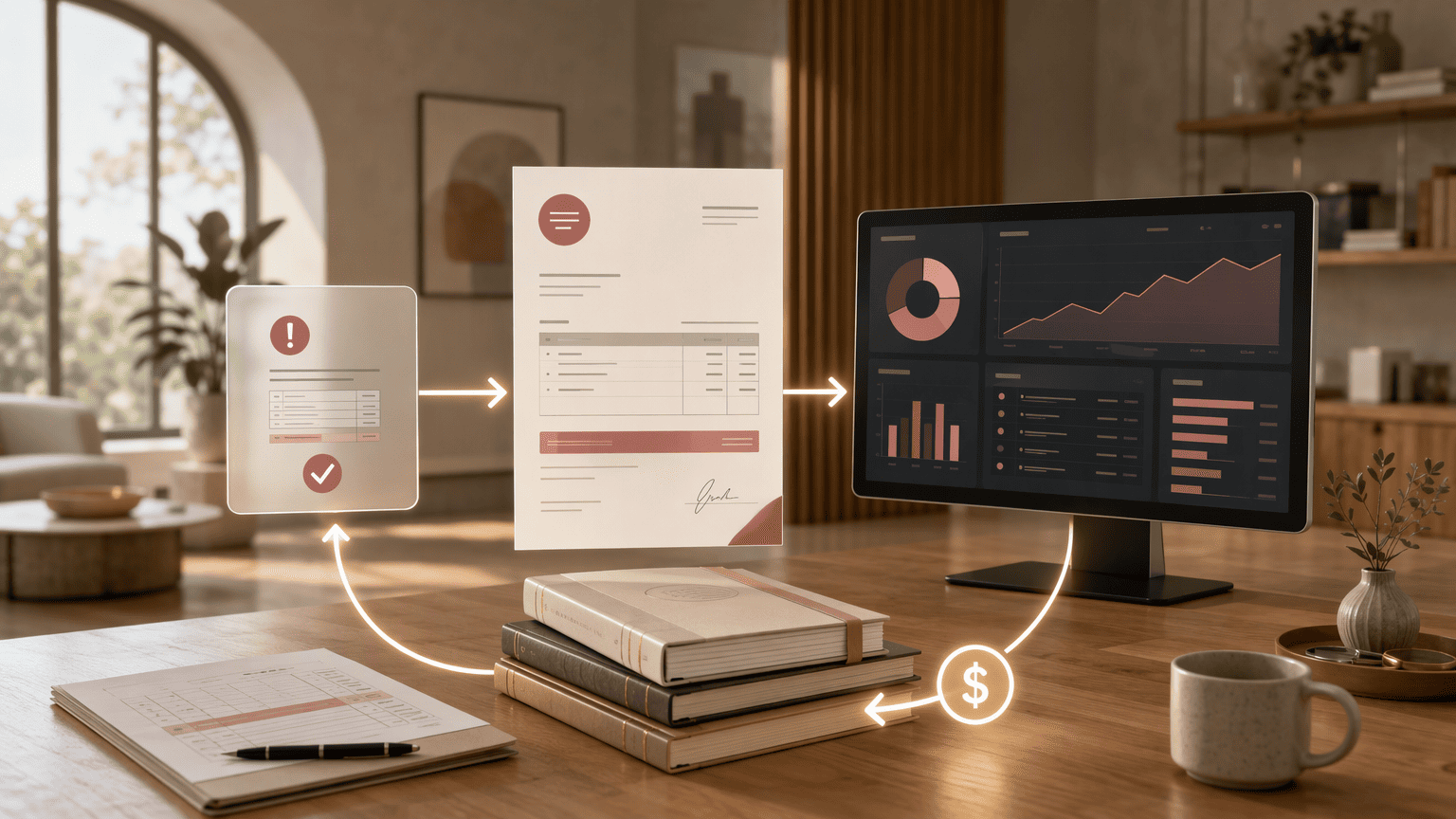
Recovery turns a detection into cash. When a rate variance is confirmed and the supplier’s invoice is adjusted, generate a debit memo automatically from the system. The memo packages the original invoice line, the contracted rate, the overcharged amount, and the exact clause reference from the digitized agreement. This irrefutable audit evidence makes dispute resolution fast and leaves the supplier little room to deflect.
Track every recovered dollar against outstanding overcharge amounts by supplier and month, and feed this compliance data into a supplier performance scorecard. Overcharging frequency-dollar impact becomes a weighted metric that shapes future RFP evaluation and contract renewal negotiation. Recovery closes the loop from detection to behavioral change.
Conclusion
The financial leakage is real and measurable. But stopping a single overcharge before payment is the smaller prize. What you actually build, by working through these six steps systematically, is a living dataset of supplier pricing behavior.
That dataset changes the dynamic inside the procurement function. Negotiations that used to start with a supplier’s stated price now start with your own recorded history of what that supplier actually charged, when, and under what circumstances. Assumptions get replaced by facts.
The function itself shifts. You stop being the team that processes purchase orders and becomes the team that puts recovered capital back on the balance sheet, quarter after quarter. An AI-driven preventive control tower stops looking like a technology expense the first time it catches a serial overbilling pattern that would have otherwise run undetected for years, compounding the loss.
Frequently Asked Questions
What are the most common ways suppliers overcharge against agreed contract rates, and which industries are most affected?
Suppliers overcharge through several common patterns:
- Incorrect unit prices
- Unapproved surcharges
- Applying outdated rate tables
- Failing to honor tiered discounts
The US GSA Office of Inspector General cited furniture supplier Vari for knowingly failing to provide agreed price discounts to federal agencies. Government contracting, construction, healthcare, and logistics see the most prevalent overcharging.
What internal controls and audit steps should a procurement team use to systematically detect and prevent billing discrepancies?
A systematic approach relies on machine-readable contract rate cards extracted post-signature, 100% AI-driven invoice line-item reconciliation, and smart invoice-hold workflows with segregated duties. The person who processes the invoice must not be the one who approves an overcharge override. Regular root-cause pattern detection then catches systemic issues.
How can AI-powered contract analysis tools identify rate discrepancies at scale across hundreds of supplier agreements?
AI tools ingest diverse invoice formats and map supplier line descriptions to a canonical item list, then compare every extracted `UnitPrice` against a digitized contract rate card automatically. Microsoft’s invoice processing AI, for instance, extracts over 50 specific fields per invoice. The process runs in seconds across the entire invoice stream with full audit logging.
What should a company do once it discovers a supplier has been charging above the contracted rate?
Generate a debit memo with irrefutable audit evidence: the original invoice line, the contracted rate, and the overcharge amount tied to the specific contract clause. Route through a segregated review workflow and track recovery rates by supplier. Feed the incident into the supplier performance scorecard to inform future negotiations.
How do contract structure and metadata post-signature enable automated reconciliation against invoices?
A structured post-signature contract extracts item codes, unit prices, effective dates, and tiered discounts into queryable metadata fields. This machine-readable rate card becomes the system of record that a reconciliation engine queries for each invoice line. Any change to metadata, even a whitespace edit, alters the downstream dataset that the engine relies on.
Sources
- Monitor Contract Prices of Supplies | MN Office of the State Auditor (OSA) – www.auditor.state.mn.us
- Office Furniture Supplier Vari Agrees To Pay $1.1 Million To Resolve Allegations Of False Claims For Overcharging Federal Agencies | GSA Office of Inspector General – www.gsaig.gov
- Invoice processing prebuilt AI model | Microsoft Learn – learn.microsoft.com
- Contract Metadata – docs.soliditylang.org