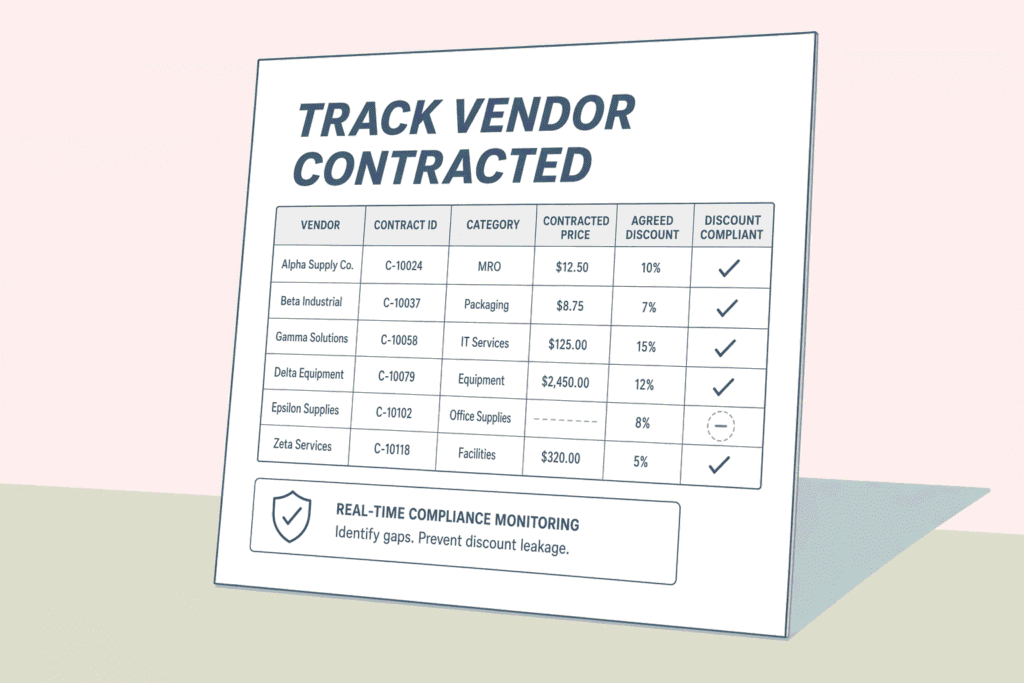
Rebate leakage costs procurement teams millions annually when contract terms live in unstructured PDFs while spend data flows through disconnected ERP systems. Contract intelligence platforms close this gap by extracting rebate obligations, reconciling spend, and triggering alerts before thresholds expire.
Key Takeaways
- Preventing rebate leakage requires three non-negotiable capabilities: automated obligation extraction from contracts, spend-to-contract reconciliation with ERP systems, and proactive milestone alerts.
- Post-signature intelligence platforms extract rebate terms from executed agreements without requiring full repository migration, while full-lifecycle CLM systems add pre-signature negotiation and approval workflows.
- Matching platform capabilities to rebate program complexity (simple volume tiers vs. Multi-tier performance incentives) and integration architecture (real-time API vs. Batch file transfer) determines ROI.
- Pilot implementations with 10-20 high-value rebate agreements typically take 4-8 weeks; full-scale deployments can extend to 3-6 months depending on data migration scope.
- Audit trail features—timestamped obligation extraction logs, spend-data lineage, and alert history—are key for resolving supplier rebate disputes.
Contract intelligence platforms centralize rebate terms, extract obligations from unstructured agreements, and automate spend reconciliation—connecting contract language to transaction data so organizations can track performance against rebate thresholds and trigger claims before deadlines expire. Leading solutions for rebate tracking include Sirion, which converts scattered clauses into live obligations, and Contracts.ai, which uses AI to extract key terms and reconcile them with ERP invoice streams.
Scattered Contract Repositories and Manual Tracking Workflows
Rebate and incentive dollars get lost when terms live in unstructured contracts stored across email, shared drives, and legacy tools. If teams can’t easily locate qualifying spend thresholds, eligible SKUs, time windows, or compliance evidence, claims either arrive late or never get filed. A significant visibility gap compounds the problem: 71% of businesses can’t locate at least 10% of their contracts, driving missed obligations and financial leakage. Manual processes—especially spreadsheets—magnify the problem, introducing errors and audit burdens that delay or derail claim submission.
Disconnected Procurement and Finance Systems
ERP and procure-to-pay platforms capture transaction-level spend data but don’t parse contract language; CLM systems store PDFs but don’t reconcile invoices against rebate tiers. Neither system alone closes the loop. When transaction and contract data live in separate silos, teams spend hours reconciling numbers manually, often missing claim windows entirely. Modern contract lifecycle management platforms connected to transaction systems solve this by extracting obligations, automating calculations, and triggering alerts when thresholds are met, eliminating the reconciliation gap that causes most rebate leakage.
The Cost of Missed Rebates on Margin and Supplier Relationships
The immediate consequence is revenue leakage: earned cash left on the table. Add the hours spent reconciling and disputing claims, and the cost of manual administration climbs quickly. Downstream, missed rebates distort cash flow forecasts, create budget variance, and can trigger financial statement restatements when accruals prove wrong. Vendor relationships also suffer when claims are late or disputed, suppliers lose confidence in a buyer’s ability to track obligations, complicating future negotiations and potentially reducing rebate generosity in renewals.
Understanding why rebate dollars slip through the cracks sets the foundation for evaluating the specific technical capabilities that prevent leakage.
Three Core Capabilities Required to Track Rebates in Contracts
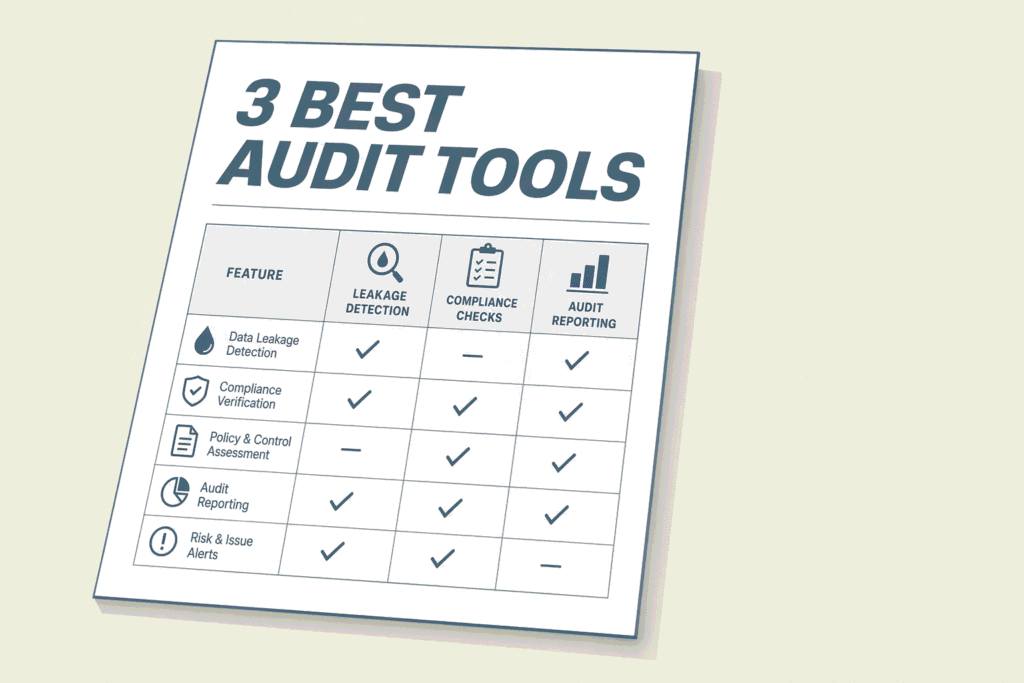
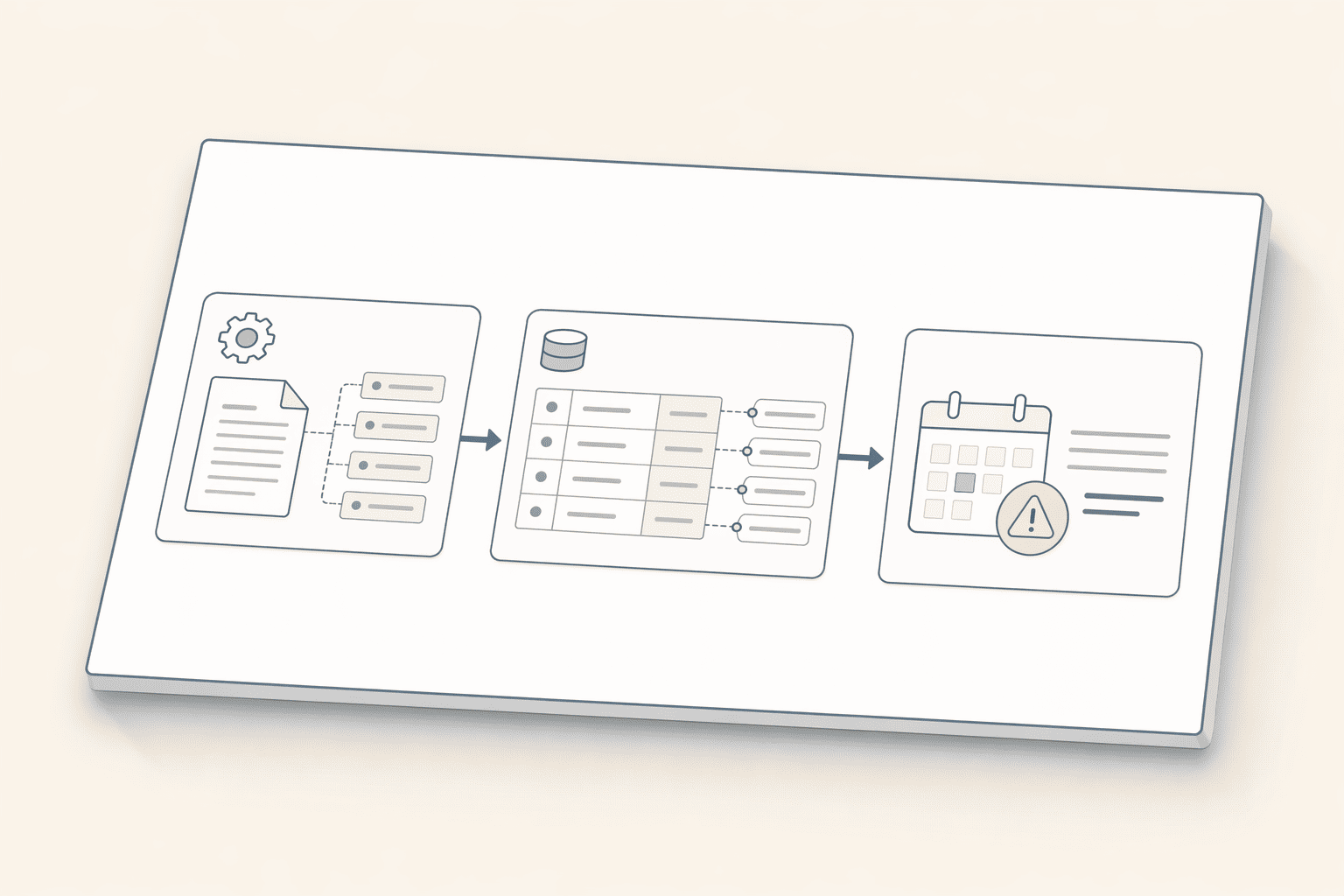
Any platform claiming to prevent rebate leakage must deliver three non-negotiable technical capabilities: automated extraction of rebate terms from unstructured contracts, spend-to-contract reconciliation that links ERP data to those terms, and proactive alerts that notify teams before thresholds or deadlines pass. Without all three, rebate tracking collapses into manual spreadsheets and missed claims at enterprise scale.
Automated Extraction of Rebate Terms and Thresholds from Contracts
The first capability addresses the technical challenge of unstructured contract PDFs: natural language processing and AI obligation extraction must parse rebate clauses, tier thresholds, and eligibility criteria into structured fields, not manual data entry. Platforms that extract obligations and sync with ERP systems transform static documents into queryable data assets. Contracts.ai transforms executed agreements into structured, operational intelligence that flows across the enterprise, performing this extraction post-signature to capture rebate terms from legacy and live contracts. The extraction engine must identify volume tiers (e.g., “5% rebate on annual spend exceeding $500,000”), payment deadlines, and conditional eligibility clauses, then surface them as structured metadata for downstream reconciliation and alerting workflows.
Spend-to-Contract Reconciliation: Tracking Actual Spend Against Rebate Eligibility
The second capability closes the knowledge gap between contract terms and actual procurement activity. Linking contract terms to actual spend data requires integration with ERP, accounts payable, and procurement-to-pay systems to match invoices and purchase orders against extracted rebate thresholds. Real-time reconciliation justifies the integration complexity when procurement velocity is high, teams tracking daily rebate qualification changes benefit from continuous spend monitoring. Batch reconciliation (monthly or quarterly) suits lower-velocity environments where rebate tiers reset annually. The technical architecture must handle cumulative spend aggregation across multiple supplier locations, cost centers, and contract amendments, calculating rebate eligibility dynamically as new invoices arrive.
Proactive Alerts and Milestone Tracking for Rebate Qualification Deadlines
The third capability prevents the common anti-pattern: calendar reminders and spreadsheet flags break when procurement teams change or contracts are amended mid-term. Automated alerts that flag critical dates and obligations ensure notifications stay tied to extracted milestones, not manual entries. Platforms must support configurable alert workflows, e.g., “notify procurement 60 days before annual rebate claim deadline” or “alert when cumulative spend reaches 90% of tier threshold”, and route notifications to role-based owners (buyer, category manager, finance analyst). This workflow continuity ensures rebate opportunities survive personnel transitions and contract modifications without manual re-keying of trigger dates.
With the technical requirements defined, the next step is comparing how leading platforms implement obligation extraction, spend reconciliation, and milestone alerts across different architectural approaches.
Contract Intelligence Platforms That Automate Rebate Tracking
The platforms below approach rebate tracking from different architectural angles: some extract obligations from executed agreements and reconcile against ERP spend, others embed rebate workflows into full contract lifecycle management, and a third group positions rebate tracking as part of procurement-centric supplier collaboration. This section profiles how Contracts.ai, Sirion, Ironclad, Icertis, Agiloft, and Coupa each structure their capabilities across clause extraction, spend reconciliation, and alert delivery.

Contracts.ai: Post-Signature Obligation Extraction and Spend Analytics
Contracts.ai positions itself as a post-signature intelligence layer that transforms executed agreements into structured, operational intelligence that flows across the enterprise. The platform extracts key terms across legacy and live contracts in minutes, then reconciles rebate thresholds, tier triggers, and payment schedules against spend data pulled from ERP systems via its integrations. Unlike invoice-audit tools such as Veraldoc (which matches purchase orders to invoices and flags discrepancies) or InvoRec (which audits invoice lines against rate cards), Contracts.ai extracts forward-looking obligations, the rebate terms that define what spend must happen to earn the rebate, rather than backward-looking transaction verification.
Strengths: No full repository migration required, SOC2 and GDPR certified, native ERP integration for spend reconciliation.
Limitations: Does not support contract workflows such as approvals, so teams needing pre-signature rebate negotiation or routing must use a separate CLM system.
Best for: Procurement teams tracking rebates in executed agreements without deploying full-lifecycle CLM, organizations that already have a signature tool but lack post-execution intelligence.
Sirion, Ironclad, Icertis: Full-Lifecycle CLM with Rebate Workflows
Sirion, Ironclad, and Icertis embed rebate tracking into broader contract lifecycle workflows that span pre-signature negotiation, approval routing, execution, and post-signature obligation management. Sirion extracts obligations, syncs with ERP/CRM/Procurement systems, and triggers proactive notifications and workflows, converting static contracts into live data assets and monitoring performance to trigger SLA breach alerts and compliance exceptions. Ironclad and Icertis provide similar full-lifecycle infrastructure, positioning rebate tracking as one obligation type among many (renewal dates, service credits, regulatory clauses).
Strengths: Unified platform for contract creation through post-execution monitoring, pre-signature workflows include rebate term templates and approval routing, audit trails connect rebate clauses to negotiation history.
Limitations: Full deployment involves migrating contract repositories, configuring approval workflows, and training users on pre-signature tools, heavier lift than post-signature-only platforms.
Best for: Legal and procurement teams needing end-to-end contract governance where rebate tracking is one component of broader compliance and obligation management.
Agiloft and Coupa: Procurement-Centric Obligation Management
Agiloft and Coupa differentiate through procurement-specific features: supplier collaboration portals where vendors can submit rebate claims or review co-op advertising fund balances, purchase-to-pay integration that automatically matches rebate-eligible invoices to contract terms, and procurement-focused reporting dashboards. Covasant illustrates this positioning by framing rebate tracking as part of vendor cost compliance and spend governance, a lens Agiloft and Coupa share. Apexanalytix’s early payment programs show how supplier portals unify communications (onboarding, ongoing management, procure-to-pay) into a single channel, facilitating adoption of payment and rebate programs, a workflow Coupa and Agiloft replicate for rebate self-service.
Strengths: Supplier self-service reduces manual rebate claim processing, native purchase-to-pay integration eliminates the need for separate ERP connectors, procurement-specific reporting includes rebate performance alongside spend-under-management metrics.
Limitations: Supplier portal adoption depends on vendor engagement, which can be low for smaller suppliers or categories where rebates are a minor incentive.
Best for: Procurement organizations managing rebate programs that involve supplier-submitted claims, co-op advertising fund tracking, or volume-based incentives where vendor self-service reduces internal workload.
Choosing the right platform requires mapping your rebate program complexity, integration requirements, and organizational workflows to vendor capabilities.
How to Evaluate Rebate-Tracking Software for Your Organization
Assess Your Rebate Program Complexity and Volume
Matching platform capabilities to program complexity prevents both overspending on enterprise CLM and underinvesting in tools that cannot handle multi-tier calculations. The best rebate management tools in 2026 include Level 6, Enable, Vendavo, Model N, Vistex, Flintfox, and Salesforce Revenue Cloud, but the right choice depends on your program complexity, ERP environment, and whether you need a managed-service partner or a self-service SaaS platform.
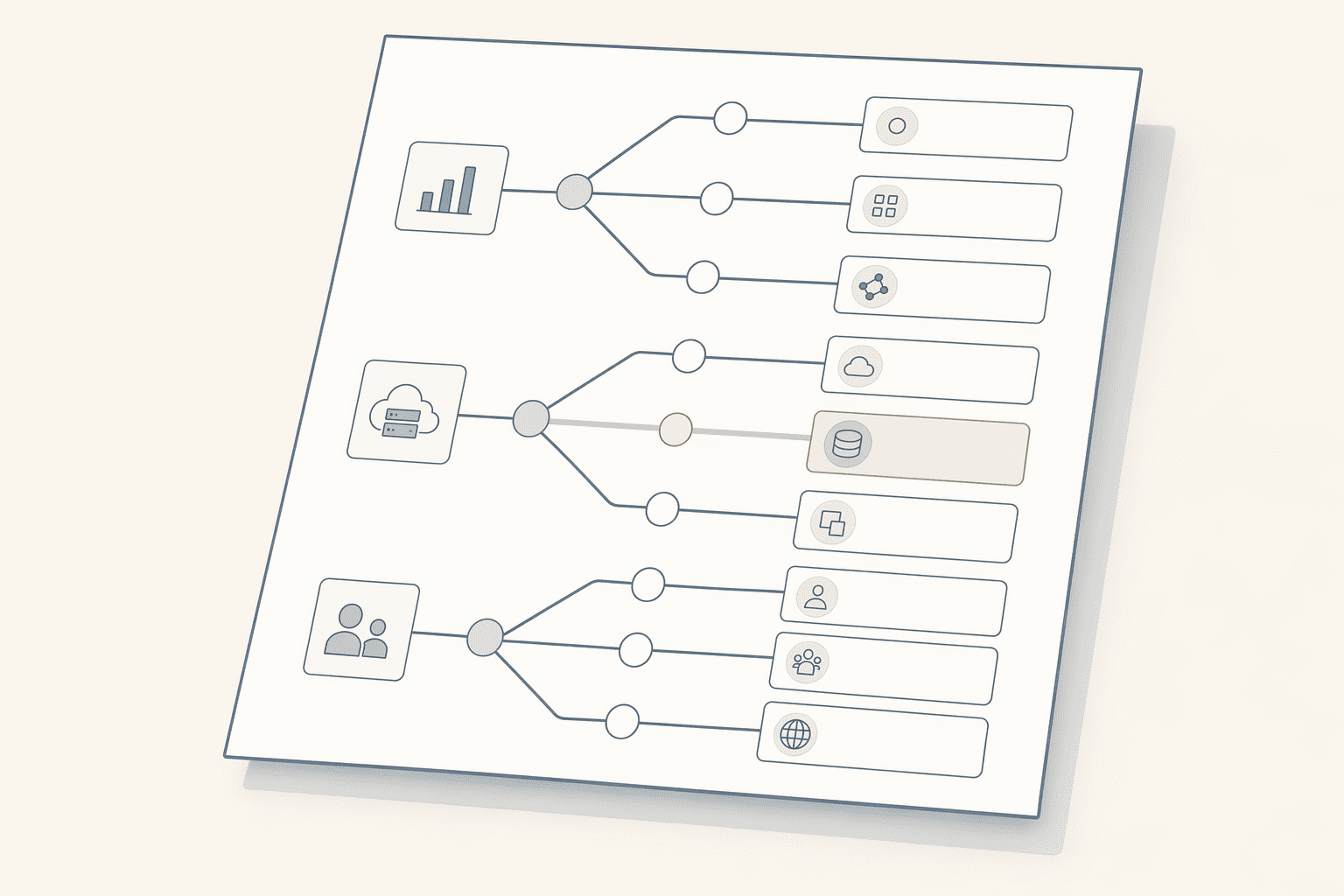
- Simple volume rebates, single threshold, annual calculation. Manual tracking in spreadsheets may suffice when annual rebate value stays below $50,000. Errors are infrequent, and dispute volume is low.
- Tiered performance incentives, multiple thresholds, quarterly reconciliation. Automation becomes justified above $100,000 annual value. Manual processes introduce calculation errors and delayed claims as transaction volume rises.
- Complex programs, co-op funds, MAP policies, custom tier calculations tied to product mix or behavioral targets. A purpose-built platform is required for any material volume. Finance teams manually reconcile thousands of line items against rebate contracts, a process that is both error-prone and slow.
Map Required Integrations: ERP, P2P, Finance Systems
Modern rebate management software closes the revenue gap by automating calculations, accruals, and partner communications, but only when the data flows cleanly from your ERP. Real-time API integration is justified when rebate qualification changes daily due to high-velocity procurement or dynamic pricing. Batch reconciliation is sufficient for monthly or quarterly programs with stable spend patterns.
The integration-complexity trade-off matters: real-time synchronization requires API access to live ERP transaction data and often custom middleware; batch processes use scheduled file exports and introduce latency but avoid ongoing API maintenance. Evaluate whether your rebate terms change frequently enough to justify real-time overhead, or whether monthly snapshots align with your payment cycles.
Audit Trail and Dispute Resolution Requirements
When suppliers challenge rebate eligibility, your platform must produce timestamped logs showing when the rebate term was parsed, which version of the contract governed the calculation, and which ERP transactions counted toward the threshold. Alert history proves your team was notified before deadlines expired. Platforms lacking granular audit trails shift the burden of proof back to manual detective work, reconstructing calculations from spreadsheet versions and email threads.
Look for logging that captures obligation extraction events, spend-data lineage, and alert delivery. G2 user reviews surface audit trail quality as a common evaluation criterion alongside ease of integration and alert reliability. A platform that cannot answer “which transactions were included in this claim?” during a dispute introduces settlement delays and erodes partner trust.
Implementation Considerations: Integration, Data Migration, and Pilot Scope
Pilot Implementation Without Full Repository Migration
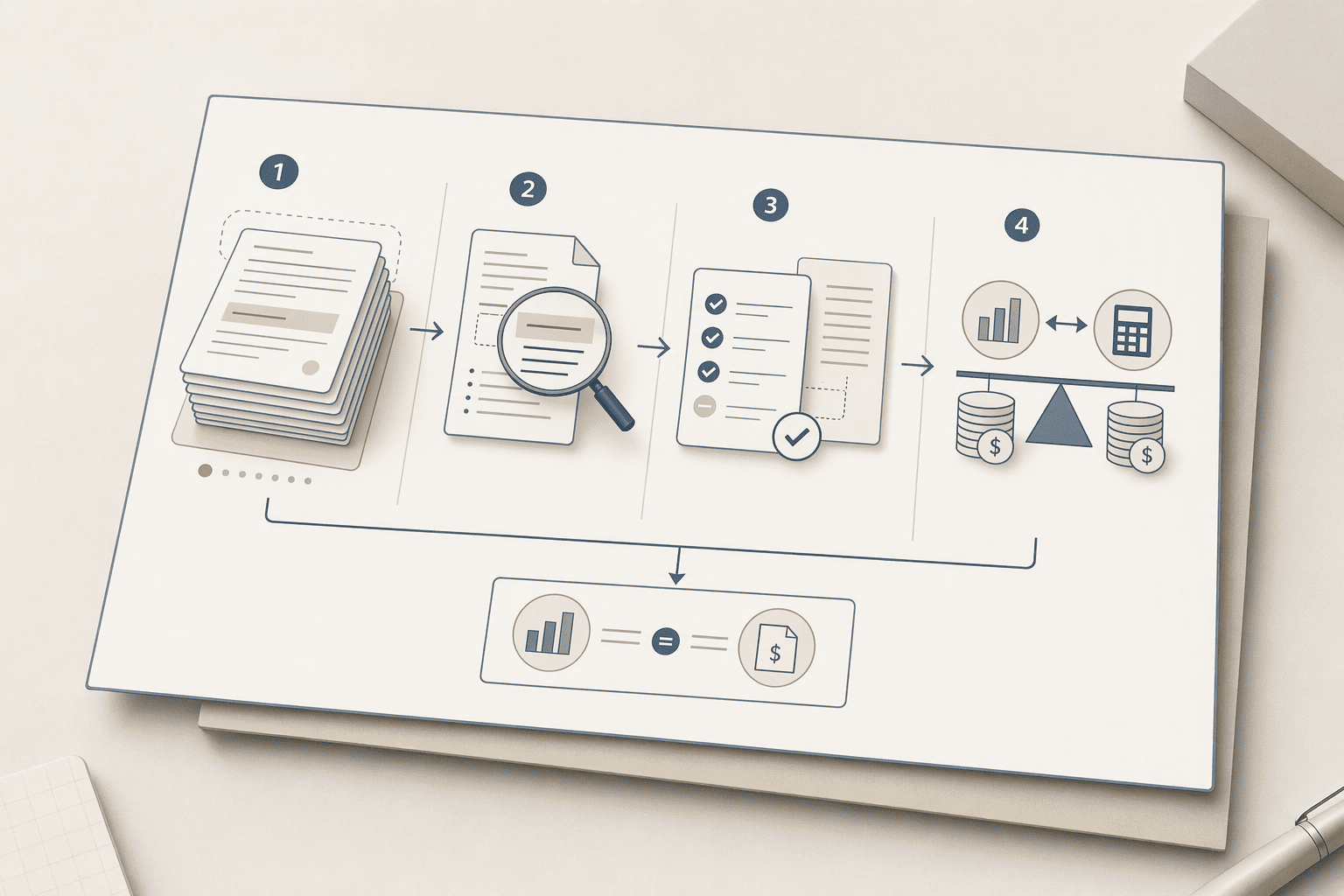
Platforms like Contracts.ai allow teams to pilot rebate tracking with a limited contract set before migrating the full repository. Start with your top 10 to 20 rebate agreements ranked by annual value, typically volume incentives, tier discounts, or year-end rebates exceeding mid-five-figure thresholds. Extract obligation terms, validate accuracy against source agreements, and run a parallel reconciliation cycle against actual spend to confirm the platform’s calculation logic aligns with finance’s accrual process. Once extraction accuracy meets internal audit standards and spend reconciliation logic is validated, expand incrementally to the next tier of rebate contracts.
Role-Specific Implementation Checklists: Procurement, Finance, Legal
Cross-functional alignment determines whether rebate tracking delivers value or creates workflow friction. Each function owns distinct implementation steps:
- Procurement: Identify high-value rebate contracts by annual spend and rebate percentage. Validate extracted obligation terms (tier thresholds, qualification windows, excluded SKUs) against source agreements. Define alert recipient roles, who receives notifications when spend approaches tier thresholds or compliance deadlines near.
- Finance: Map ERP spend data fields (invoice line items, SKU codes, cost centers) to rebate eligibility criteria in contracts. Validate reconciliation logic in a test cycle, confirm that platform-calculated accruals match manual spreadsheet results for known contracts. Define accrual workflows: when do rebate estimates feed into monthly close, and who approves adjustments.
- Legal: Review audit trail requirements for contract version control and obligation change history, platforms with SOC 2 certification typically provide the logging rigor needed for compliance. Approve data retention policies to ensure rebate claim substantiation survives retention windows required by finance audits or supplier disputes.
Cost-Benefit Calculation: When Automation Justifies the Investment
Calculate the tipping point by estimating annual rebate value at risk: total rebate-eligible spend × average rebate rate × historical miss rate. For an organization with mid-eight-figure rebate-eligible spend, a 2% average rebate rate, and a conservative 15% miss rate (from missed thresholds or late claims), the at-risk value reaches low-to-mid six figures annually. Compare that to platform costs, subscription, integration hours, and cross-functional training time. When annual missed rebates exceed 2 to 3× total platform cost, automation justifies the investment. Below that threshold, a manual spreadsheet process with quarterly audits may suffice.
Final Thoughts
Post-signature-only platforms like Contracts.ai require less deployment overhead, no approval workflow migration needed, but assume rebate terms are already negotiated and executed. Full-lifecycle CLM platforms (Sirion, Ironclad, Icertis) add pre-signature negotiation and approval routing at the cost of longer implementation timelines. Real-time ERP integration delivers continuous rebate qualification visibility but demands API access and custom middleware; batch reconciliation suits stable spend patterns and sidesteps integration complexity.
As procurement organizations shift from reactive rebate claiming, spreadsheet reviews at year-end, to proactive rebate optimization with in-quarter tier management, contract intelligence platforms that unify obligation extraction, spend analytics, and supplier collaboration will become the procurement finance stack’s operational backbone, not just a compliance add-on.
Start by piloting rebate tracking on your top 10 highest-value rebate agreements using Contracts.ai’s post-signature obligation extraction, or explore full-lifecycle CLM platforms if your workflow requires pre-signature rebate term negotiation and approval routing. Assess your rebate program complexity using the evaluation framework in Section 4 to match platform capabilities to your tier structure and integration requirements.
Frequently Asked Questions
What is the difference between rebate tracking software and invoice audit tools?
Invoice audit tools verify charges against purchase orders retroactively, while rebate tracking platforms extract forward-looking obligations from contracts and reconcile spend against eligibility thresholds proactively. Rebate software parses contract language (tier thresholds, performance metrics) and integrates with ERP systems to calculate qualification in real time, whereas audit tools focus on post-transaction validation.
Can we track rebates without migrating our entire contract repository?
Yes, platforms like Contracts.ai allow teams to pilot rebate tracking with a limited contract set before migrating the full repository. Start with your top 10-20 rebate agreements ranked by annual value, validate extraction and spend reconciliation accuracy, then expand incrementally. This phased approach reduces deployment risk and proves ROI before enterprise-wide rollout.
How do contract intelligence platforms handle tiered rebate programs with multiple thresholds?
AI obligation extraction parses tier thresholds from contract language (e.g., ‘2% rebate at $500k spend, 3% at $1M’), spend reconciliation calculates current tier based on ERP transaction data, and alerts trigger before the next tier threshold. Custom tier calculations combining volume and performance metrics may require platform configuration to map contract logic to system rules.
What ERP systems integrate with contract rebate tracking platforms?
Most platforms integrate with SAP, Oracle, NetSuite, Microsoft Dynamics, and P2P systems like Coupa and Ariba. Integration architecture varies: API-based real-time connections enable dynamic rebate qualification tracking, while batch file transfer (monthly/quarterly exports) suits stable spend patterns and avoids custom middleware. Verify your ERP’s API availability before selecting a platform.
How long does it take to implement contract rebate tracking software?
Pilot implementations with 10-20 contracts typically take 4-8 weeks, covering ERP integration, obligation extraction validation, and user training. Full-scale deployments with 100+ contracts can extend to 3-6 months depending on data migration scope, custom workflow requirements, and cross-functional alignment between procurement, finance, and IT teams.
What audit trail features are required for rebate disputes with suppliers?
Platforms must produce timestamped logs showing when rebate terms were parsed, which contract version governed the calculation, and which ERP transactions counted toward thresholds. Alert history proves your team was notified before deadlines. Suppliers challenging eligibility need to see the same spend-data lineage and obligation extraction records the buyer used to calculate rebates.
Does Contracts.ai handle contract approval workflows for rebate agreements?
No, Contracts.ai does not support contract workflows such as approvals. The platform focuses on post-signature obligation tracking: extracting rebate terms from executed agreements, reconciling spend against thresholds, and triggering alerts. Teams needing pre-signature drafting, negotiation, or approval routing must use a separate CLM or contract authoring tool.
Sources
- Why Your Business Misses Rebates—and How to Fix It with Contract Management – www.sirion.ai
- Best Rebate Management Software: User Reviews from July 2026 – www.g2.com (2026)