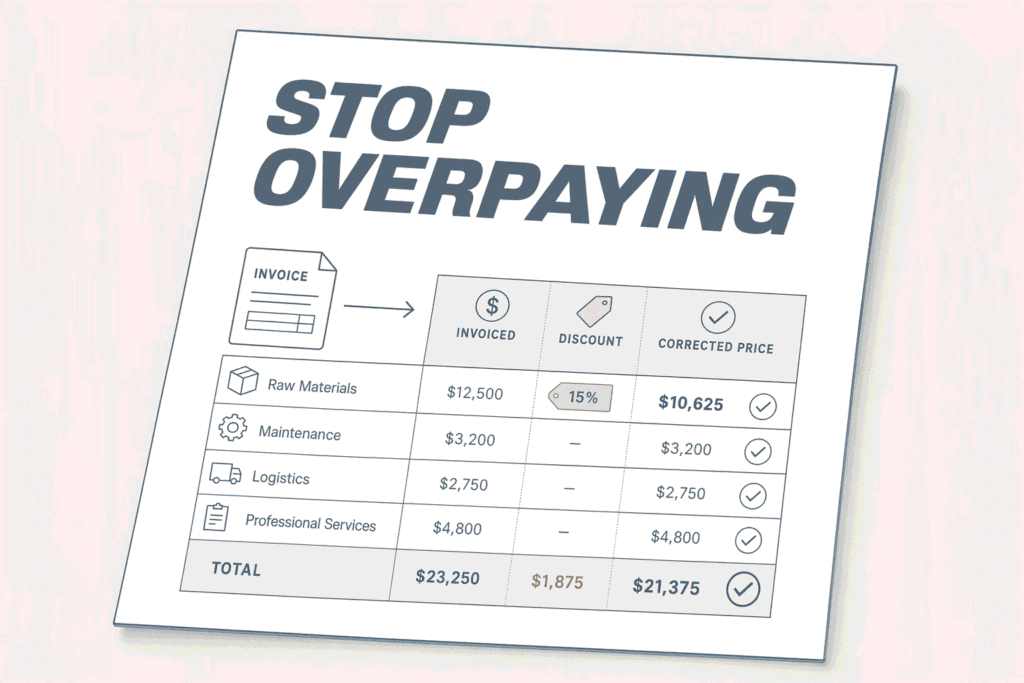
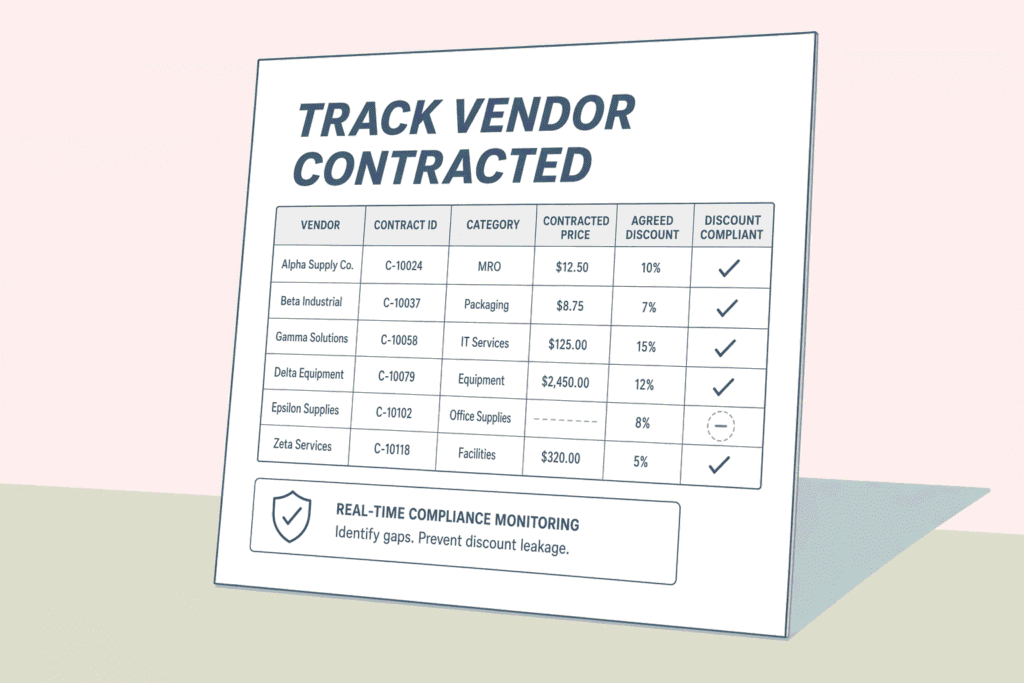
Organizations lose 3-8% of procurement spend annually when invoiced prices exceed negotiated contract terms. Real-time discount compliance monitoring closes this gap by connecting AI-powered contract extraction to procure-to-pay systems.
Key Takeaways
- AI-powered contract extraction converts unstructured pricing clauses into structured data that ERP and AP systems can validate against incoming invoices
- Four-stage implementation connects contract intelligence platforms to procure-to-pay workflows through REST API, middleware, or scheduled file export
- Discount capture rate, variance frequency, and recovery velocity metrics quantify compliance performance and identify high-leakage vendors
- Cross-functional ownership between procurement, finance, and IT resolves the data seams that traditionally block automated invoice-to-contract matching
- Real-time alerting catches pricing violations invoice-by-invoice, shifting from retrospective quarterly audits to proactive leakage prevention
Why Real-Time Discount Visibility Matters for Procurement
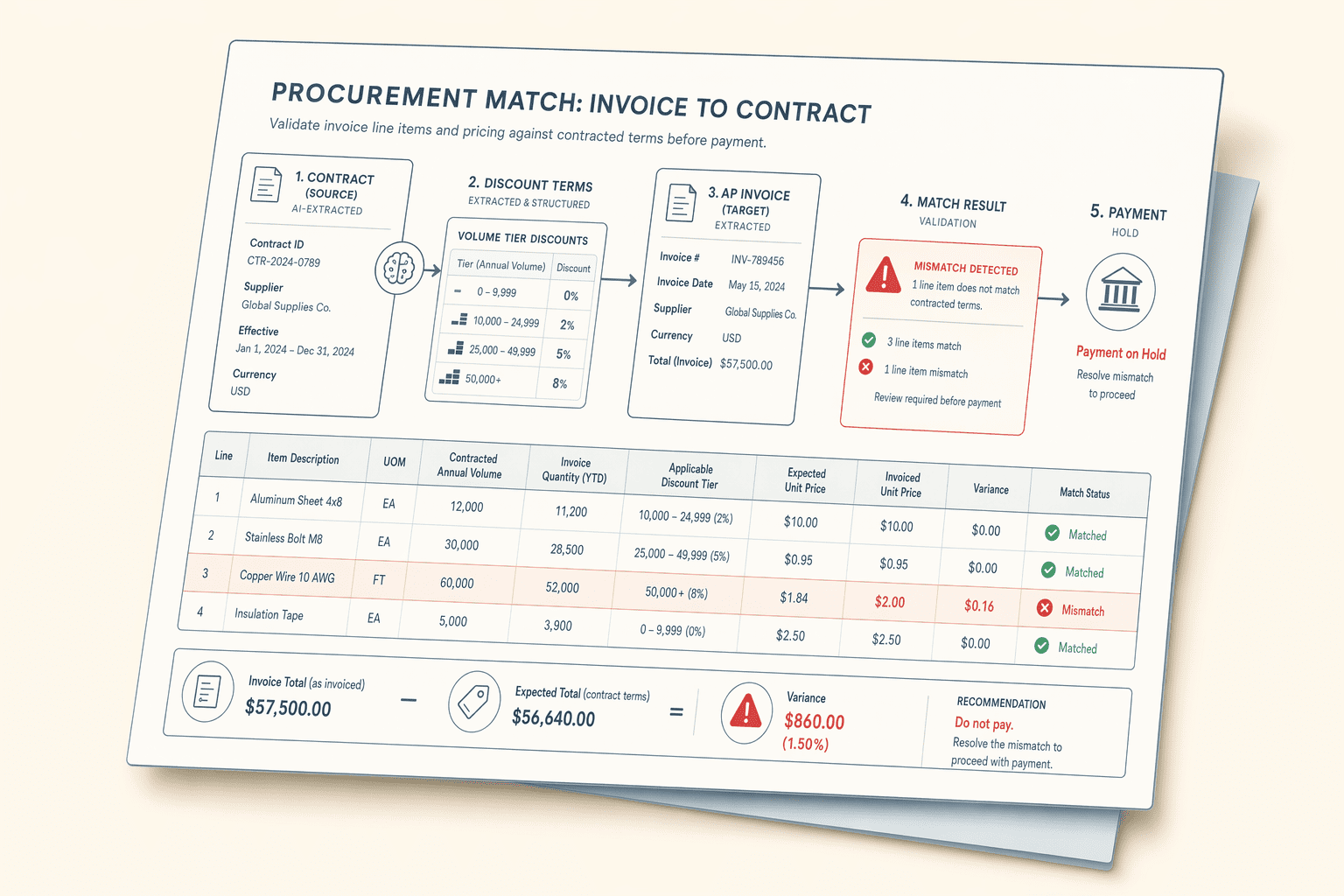
Real-time visibility into vendor discount compliance requires connecting AI-powered contract extraction to your procure-to-pay system to automate invoice-to-contract matching. Without this automation, procurement teams negotiates tiered discounts, finance receives invoices weeks later with no automated link back to the negotiated terms, and by the time the mismatch surfaces in a quarterly audit, the vendor has been overpaid for months.
The Hidden Cost of Discount Non-Compliance
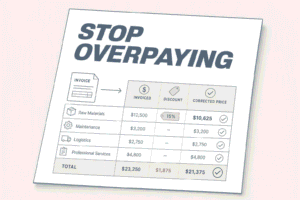
Purchasing leakage — the gap between negotiated contract terms and actual payments — costs organizations an estimated 3–5% of topline revenue every year. Much of that leakage starts with complex contracts, where volume-based tiers, early-payment discounts, and product-bundle pricing create hundreds of conditional clauses that manual reconciliation cannot track reliably. When procurement negotiates hard for a 12% volume discount but invoices reflect only 8%, the difference compounds across thousands of line items. Companies recover only 60–80% of their negotiated procurement savings at payment time, with the remainder eroded by billing discrepancies that go undetected until an audit.
Why Manual Contract-to-Invoice Reconciliation Breaks Down
The operational bottleneck sits in the seam between procurement and finance. Procurement owns the negotiation and the contract; finance owns the payment. Signed contracts live in scattered repositories — SharePoint folders, email threads, legacy CLM systems, while invoices flow through AP automation platforms that have no visibility into the negotiated terms. AI-powered platforms like Contracts.ai extract key terms across legacy and live contracts in minutes and can reconcile supplier invoices with signed contracts when integrated with systems like NetSuite, closing the gap between what was negotiated and what gets paid.
Achieving this visibility begins with unlocking the pricing data trapped in executed contracts.
The Data Foundation: Extracting Pricing Terms from Contracts
What AI Contract Extraction Actually Does
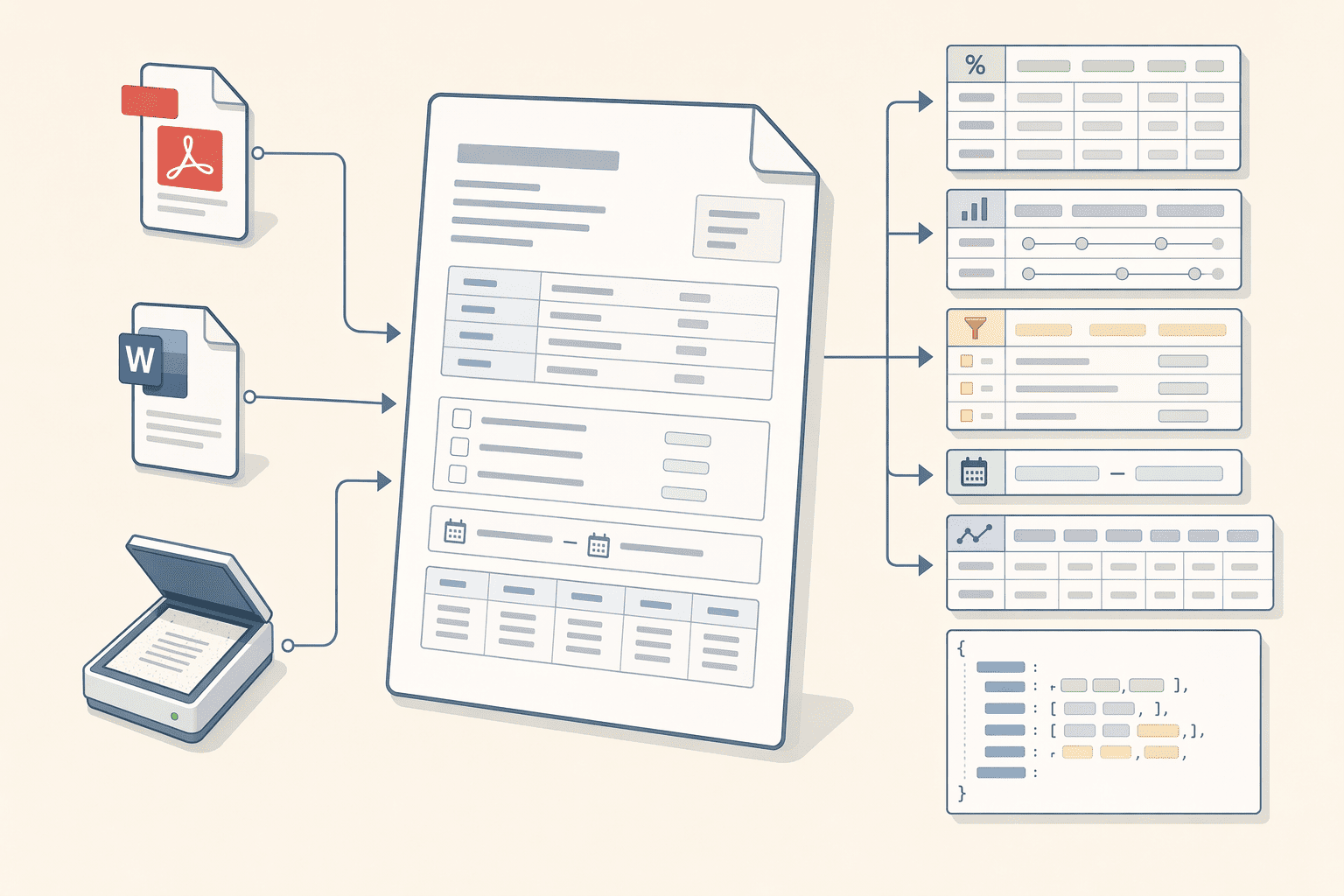
AI contract extraction ingests executed agreements, PDFs, Word documents, scanned images, and uses natural language processing to locate pricing sections buried in unstructured text. The system identifies discount percentages, volume tier breakpoints, rebate conditions, effective dates, and promotional rate schedules, then outputs structured JSON or database records. Contracts.ai extracts key terms across legacy and live contracts in minutes, converting decades of executed agreements into queryable pricing data. The workflow mirrors invoice-to-purchase-order matching systems: parse the document, map pricing clauses to a schema, flag exceptions for review.
Accuracy Requirements for Pricing Clause Extraction
High accuracy is non-negotiable for pricing clauses because a single missed decimal point in a discount percentage cascades into thousands in overpayments. A European distribution group absorbed €180,000 in annual billing overcharges before deploying systematic validation, the invoices weren’t fraudulent, they were subtly off, line by line, invisible to manual spot-checks. Contracts.ai claims greater than 99% accuracy when extracting data from documents in real time, a threshold designed to support automated invoice matching without introducing false positives. Manual QA spot-checks remain standard during initial deployment to validate extraction logic against each customer’s contract templates.
Post-Signature Contract Intelligence vs. Static Repositories
Traditional contract lifecycle management (CLM) systems store executed PDFs but leave pricing data locked in unstructured text, legal teams can retrieve the document, but procurement cannot query “Which suppliers offer volume rebates above $500K annual spend?” Post-signature intelligence layers extract, structure, and continuously evaluate how supplier transactions align with contractual commitments, detecting overbilling and surfacing supplier performance risk in real time. Contracts.ai operates as this monitoring layer, not a full CLM system, it does not support contract workflows such as approvals, focusing instead on transforming executed agreements into operational intelligence that flows across ERP, invoice processing, and procurement analytics platforms.
With pricing terms extracted and structured, the next phase connects that intelligence to your invoice processing workflows.
Step-by-Step: Building Real-Time Discount Compliance Monitoring
Moving from reactive variance reporting to proactive discount enforcement requires a four-stage implementation that connects contract pricing terms directly to invoice processing workflows. Each step transforms static documents into operational intelligence that flags price deviations before payment.
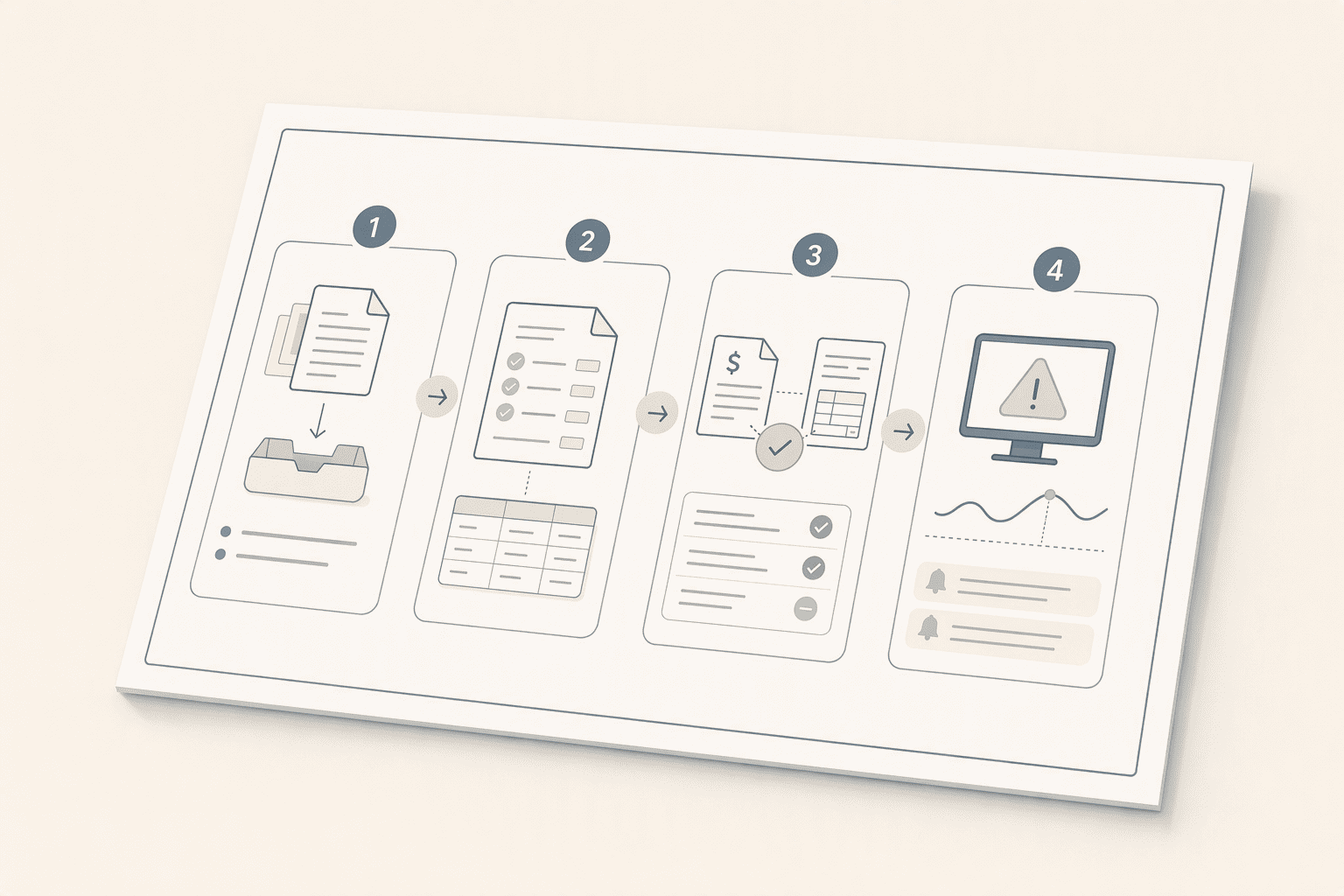
- Centralize and Extract Pricing Terms from All Active Contracts Ingest every active vendor agreement into an extraction platform capable of parsing pricing schedules, volume-tier thresholds, and discount clauses with high accuracy. Many enterprises carry 500+ agreements spanning 3 to 5 years; manual abstraction is infeasible. Platforms like Contracts.ai extract key terms across legacy and live contracts in minutes, converting unstructured PDFs into structured pricing rules. Validate extraction output against a sample of known contracts to confirm clause-level precision before deploying at scale.
- Map Extracted Terms to Vendor Master Data Link the structured pricing rules to vendor IDs in your ERP or procure-to-pay system. The extracted contract may reference “ACME Corp” while the ERP vendor master lists “ACMEINDUSTRIAL001.” This mapping layer often begins manually, spreadsheet cross-reference or data steward review, then graduates to automated fuzzy-matching rules that reconcile name variants, subsidiary structures, and duplicate vendor records. Without this step, invoices pass matching logic but miss the contracted rate because the system cannot tie invoice header to contract party.
- Configure Automated Invoice-to-Contract Matching Rules Define the logic that compares each invoice line item to the applicable contract pricing schedule. For example: *Invoice line item: Widget X, $95 each. Contract pricing schedule: Widget X, $90 each for orders >100 units, $100 for smaller orders. System checks order quantity (110 units), applies $90 rate, flags $5 overcharge per unit = $550 total variance.* Invoice audit platforms that audit every invoice line against contracts and rate cards automate this reconciliation at scale, catching overcharges before payment. Set tolerance thresholds (e.g., variances under $50 auto-approve; above $50 route to procurement review) to balance control with processing speed.
- Set Up Real-Time Alerting for Pricing Violations Configure alerts that route price discrepancies to accounts payable for unpaid invoices and to procurement for paid invoices requiring recovery. Real-time compliance dashboards that continuously monitor obligations and trigger proactive notifications enable faster issue resolution than month-end variance reports. Platforms like Contracts.ai, which convert executed agreements into structured post-signature data infrastructure, support this alerting layer by feeding obligation data into downstream financial systems. Assign escalation paths: first-pass to AP analyst, unresolved exceptions to procurement buyer, supplier disputes to contract owner.
These four steps shift discount compliance from a retrospective exercise, analyzing what went wrong last quarter, to a real-time control that prevents leakage invoice by invoice. The operational challenge is less about technology capability and more about cross-functional coordination: legal owns the contracts, procurement negotiates the terms, finance processes the invoices, and IT maintains the systems. Success requires a single source of truth for pricing obligations and shared accountability for enforcement.
The technical integration layer determines how quickly extracted pricing rules flow into AP systems.
Integrating Contract Intelligence with Procure-to-Pay Systems
Common Integration Points: API, File Export, or Native Connectors
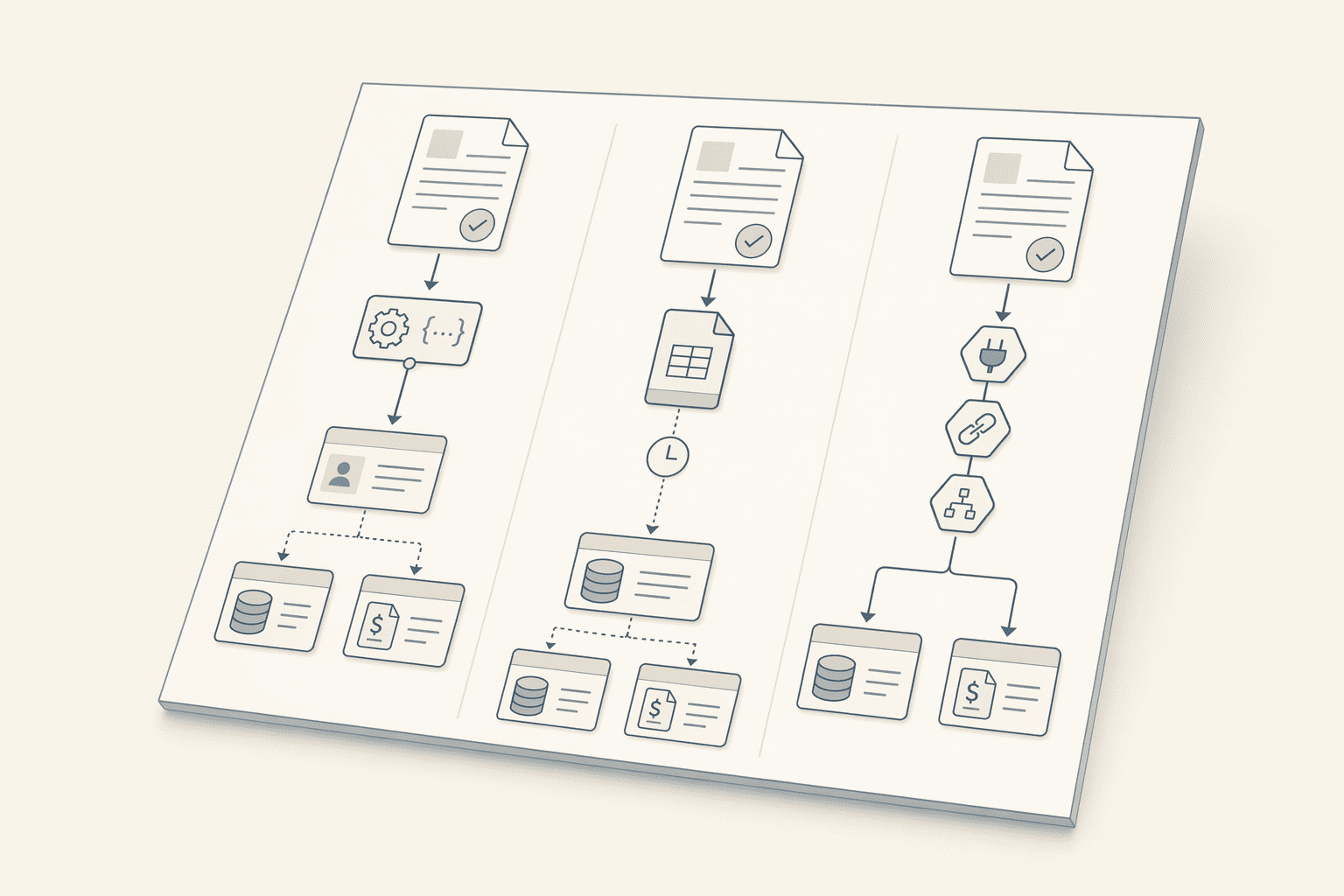
Three integration patterns connect contract intelligence platforms to ERP and accounts payable systems. REST API integration writes pricing updates to the ERP vendor master in real time as contracts are executed, appropriate when discount terms change frequently or approval latency creates leakage risk. Scheduled file export (nightly CSV or JSON) suits organizations with stable pricing cycles and batch-oriented ERP workflows. Many platforms in this space offer pre-built integrations designed to connect contract data with ERP and procurement systems, including SAP Ariba, Oracle, and Coupa.
Data Flow: From Contract Extraction to Invoice Matching
The technical flow begins when the contract platform extracts a new volume discount tier, for example, orders exceeding $50,000 annual spend qualify for an 8% discount. The integration writes this rule to the ERP vendor master or a middleware pricing table. When AP receives an invoice from that vendor, the system queries the pricing table, applies the 8% discount if the spend threshold is met, and flags any deviation before payment. AI-driven validation automates this three-way match, purchase order, goods receipt, and invoice, eliminating manual follow-ups.
Change Management: Aligning Procurement, Finance, and Legal
Procurement teams typically own contract negotiation and the contract intelligence platform; finance owns AP and invoice processing; legal owns contract risk and compliance. The integration project requires a cross-functional owner, often a procurement operations or finance systems lead, who can align on data governance (who updates pricing rules when contracts are amended?) and escalation workflows (who resolves disputed variances?). Without clear ownership, pricing updates lag contract execution, and AP continues applying outdated discounts. Organizations that assign a single accountable leader and establish a monthly reconciliation cadence between contract amendments and ERP pricing tables close this gap.
Once integration is live, the right metrics surface where leakage occurs and how effectively your system recovers it.
Key Metrics to Track for Vendor Discount Compliance
Primary KPI: Discount Capture Rate
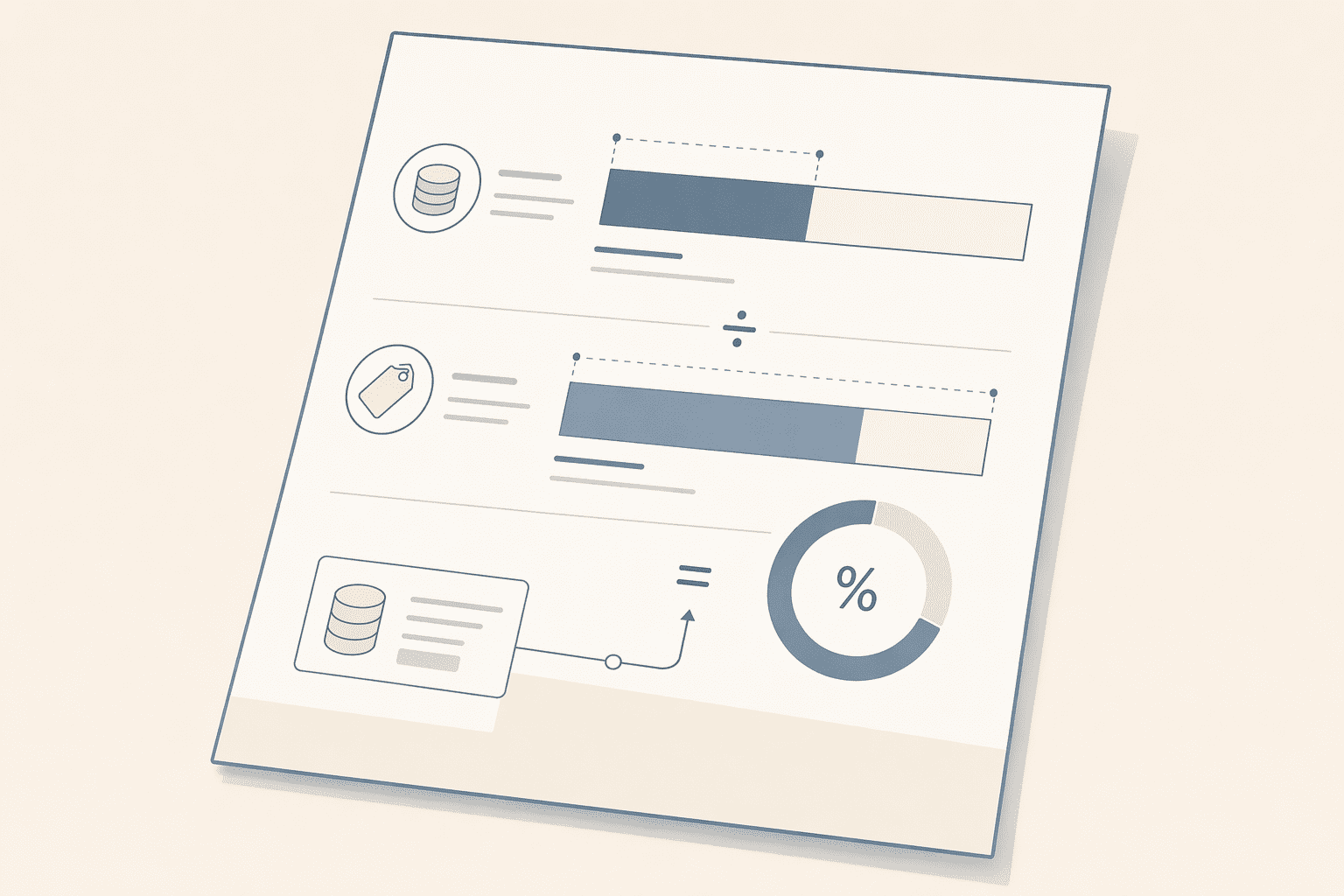
The discount capture rate measures the percentage of contracted discounts actually realized on invoices. Calculate it as: (Total discounts applied on invoices / Total contracted discount entitlement) × 100. The denominator requires extracting all discount clauses from active contracts and projecting entitlement based on forecasted spend volume, a task AI-powered platforms like Contracts.ai automate by parsing agreements and linking them to ERP spend data.
Volume Tier Compliance and Rebate Tracking
Many contracts specify volume-based discount tiers and rebate triggers tied to annual spend thresholds. For example: a contract might offer 5% discount for spend above $100k and 8% above $250k. If current spend is $220k, the system should track monthly accumulation and alert procurement when the $250k threshold is within reach, so teams can consolidate orders to capture the higher tier. Modern CLM platforms automate these calculations, turning scattered rebate clauses into predictable cash flow and reducing disputes.
Real-Time Dashboards vs. Quarterly Audits
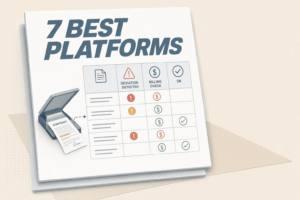
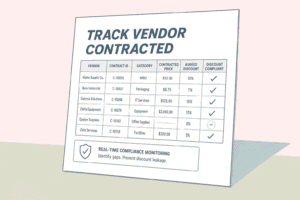
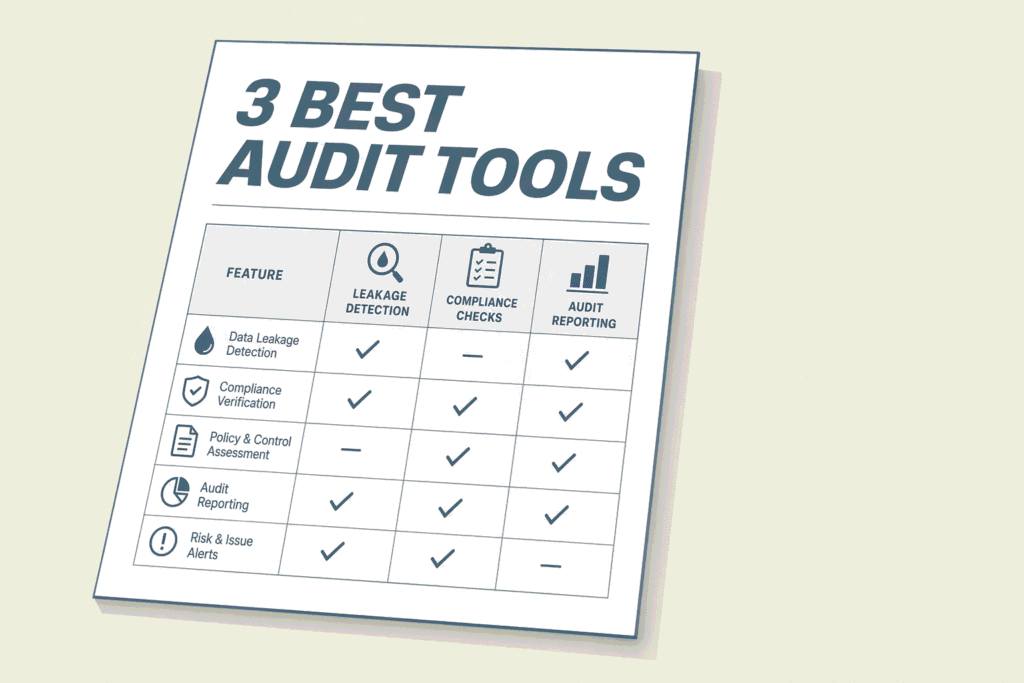
Continuous monitoring dashboards catch discount violations in-flight, while traditional quarterly reconciliation recovers overpayments retrospectively. Early warning triggers shift contract monitoring from reactive to proactive, automatically flagging critical dates, obligations, and anomalies. The table below contrasts five platforms on their ability to deliver real-time spend-to-contract monitoring.
| Platform | Real-time spend-to-contract monitoring | ERP/AP/invoice integrations | Alerting & workflow automation |
|---|---|---|---|
| Contracts.ai | AI extraction + continuous sync | NetSuite, major ERP systems | Configurable alerts, task routing |
| Suplari | Continuous contract intelligence | Deep AP/ERP connectors | Proactive insights, anomaly detection |
| Sirion | Live data assets, AI-powered monitoring | Broad ERP/CRM/procurement integrations | Automated triggers, embedded analytics |
| Conga | Contract lifecycle tracking | Salesforce-native, ERP connectors | Renewal alerts, obligation tracking |
| LinkSquares | Post-signature analytics | Limited native ERP integrations | AI-driven reminders, reporting dashboard |
Even well-architected implementations encounter predictable obstacles during deployment.
Common Implementation Challenges and How to Solve Them
Challenge 1: Inconsistent Contract Formatting Across Vendors
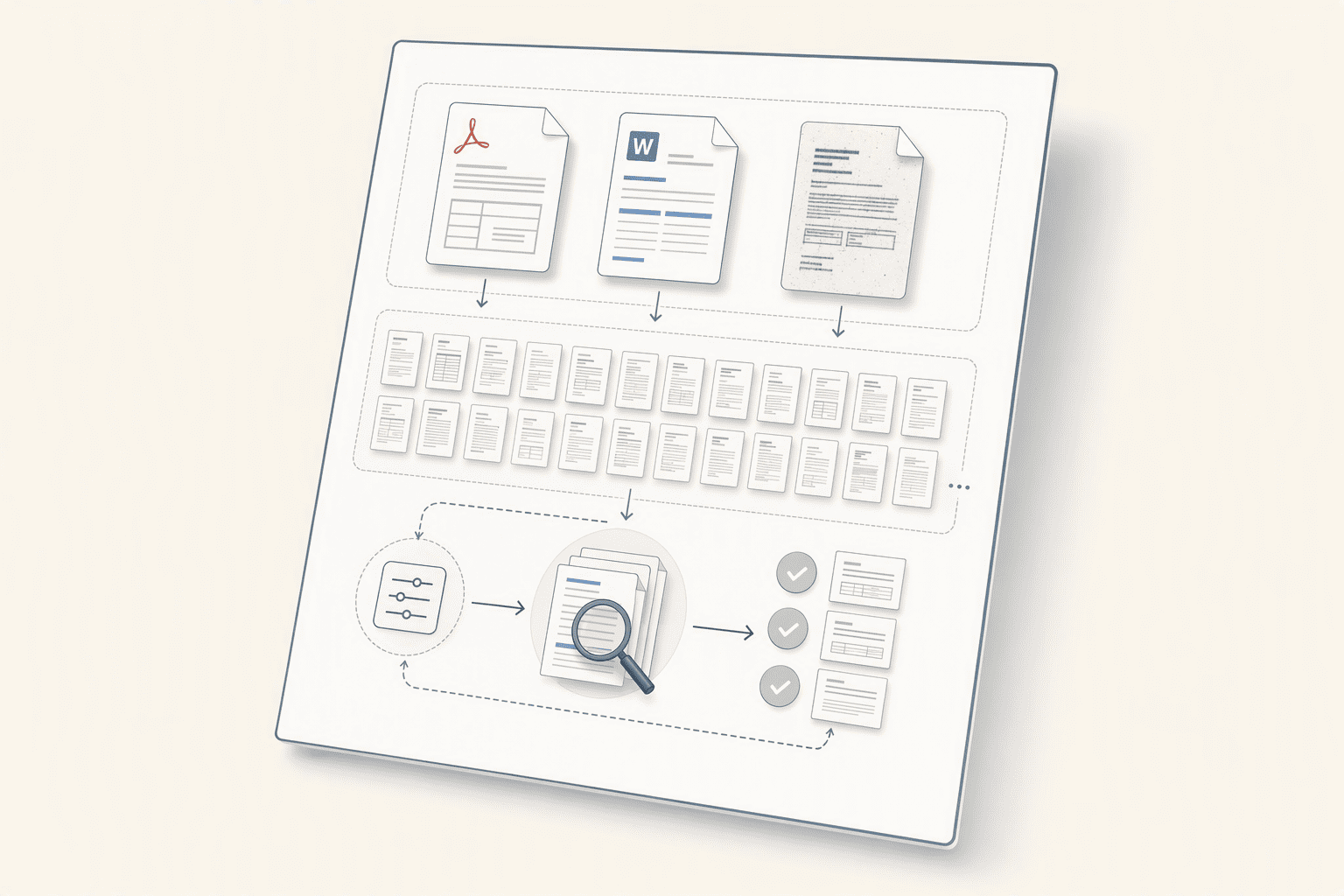
Vendors use different contract templates, burying pricing clauses in different sections, PDFs, Word documents, scanned images, varied structures. Platforms like Contracts.ai use artificial intelligence and machine learning to analyze contract content and generate summaries, handling format variety without requiring standardized templates. The solution requires an initial validation phase: upload a representative sample of 50 to 100 contracts, review extraction accuracy, and provide feedback to tune the model before rolling out invoice matching enterprise-wide.
Challenge 2: Vendor Master Data Hygiene
Duplicate vendor records and mismatched names between contracts and ERP block automated matching. Example: a contract refers to “ABC Manufacturing LLC,” while the ERP contains vendor IDs for “ABC Mfg,” “ABC Manufacturing,” and “ABC LLC”, three records for one entity. Modern vendor management systems provide powerful reporting and analytics capabilities to surface these duplicates. The solution: run a data cleansing sprint (merge duplicates, standardize naming conventions) before integration, then implement fuzzy-matching rules to catch near-matches going forward.
Challenge 3: Stakeholder Buy-In and Workflow Ownership
Procurement negotiates discounts and owns the contract repository; finance owns AP and invoice processing; neither traditionally owns the integration. A procurement audit is a structured, finance-validated review that verifies whether negotiated savings have actually reached the P&L. The solution: designate a joint owner (procurement operations or finance systems lead), create a shared dashboard showing discount capture rate (procurement cares about negotiated value realization, finance cares about cost avoidance), and establish a weekly triage meeting to resolve disputed variances.
Final Thoughts
Native ERP connectors like SAP Ariba and Oracle offer faster deployment but may lock you into specific procurement platforms, while API-based integrations provide flexibility to connect any ERP at the cost of more upfront technical effort. Post-signature contract intelligence platforms like Contracts.ai extract and monitor compliance without managing pre-signature workflows, organizations needing end-to-end CLM will pair extraction platforms with workflow-focused CLM systems.
As procurement organizations shift from quarterly manual audits to continuous compliance monitoring, AI-powered contract extraction will become the foundational data layer, turning unstructured agreements into structured pricing rules that ERP and AP systems enforce automatically, recovering leakage in real-time rather than retrospectively.
Map your current contract repository and ERP integration points this week, identify which vendors account for 80% of your procurement spend, confirm where those contracts are stored (CLM system, SharePoint, email), and assess your ERP’s API capabilities or native connector availability to scope the integration effort. Explore Contracts.ai’s integration capabilities to connect extracted pricing terms to your ERP and AP systems for real-time monitoring.
Frequently Asked Questions
What is the difference between contract lifecycle management (CLM) and post-signature contract intelligence?
CLM systems manage pre-signature workflows, drafting, negotiation, approvals, e-signature, and store executed PDFs. Post-signature intelligence platforms extract structured data from executed agreements and monitor ongoing compliance, enabling queries like “Which suppliers offer volume rebates above $500K annual spend?”. These platforms complement CLM by unlocking data trapped in stored contracts.
How accurate does AI contract extraction need to be for pricing clauses?
Pricing clause extraction requires high accuracy because a single missed decimal point can cascade into thousands in overpayments. Best practice is to validate 50-100 representative contracts during initial deployment, manually review extracted pricing terms, and provide feedback to tune the model. Ongoing spot-checks of 10% of new contracts are standard.
Can I use this approach for rebate and volume discount tracking?
Yes, AI extraction identifies rebate triggers (e.g., “annual spend >$500k earns 2% rebate”) and volume discount tiers. The integration writes these rules to the ERP or middleware, and the AP system tracks cumulative spend to apply correct pricing and alert when rebate thresholds are approaching.
What is the typical ROI timeline for implementing real-time discount compliance monitoring?
If 3-8% of spend leaks through discount non-compliance, an organization with $50M annual procurement spend could recover $1.5M-$4M annually. Implementation takes 2-4 months for contract ingestion, integration, and validation, so payback typically occurs within 6-12 months depending on spend volume and current leakage rate.
Which ERP systems integrate with contract intelligence platforms?
Major ERPs with native integrations include SAP Ariba, Oracle Procurement Cloud, Coupa, and Workday. Many platforms also offer REST API or scheduled file export for custom integrations with other ERPs. For example, contract intelligence platforms can connect directly to SAP Ariba for real-time pricing updates.
How do I handle contracts with dynamic pricing (e.g. Commodity index-based pricing)?
Contracts with dynamic pricing (e.g., “Widget price = London Metal Exchange copper index + 10% markup”) require the integration to pull external index data and recalculate contracted rates at invoice receipt. Some contract intelligence platforms support formula extraction and external data feeds; others require custom middleware. This is an advanced use case often requiring custom integration work.
What happens when a vendor disputes a flagged pricing variance?
Disputed variances trigger a resolution workflow: AP holds payment, procurement reviews the contract clause and invoice line item, and the vendor is contacted. Common resolutions include vendor invoice correction, discovery of a contract amendment not yet reflected in the system, or approval of variance within acceptable tolerance. Track dispute resolution time and root causes to identify process improvements.
Sources
- Supplier pricing compliance: how to enforce negotiated … – phacetlabs.com (2026)
- 5 top tools to reduce revenue leakage from complex contracts (USA) – alguna.com
- How to verify invoice prices against negotiated contracts … – www.phacetlabs.com (2026)
- AI Contract Performance Monitoring for Procurement | KPMG Contract IQ – kpmg.com
- Procurement Audit Guide for CFOs: How to Turn Savings … – apsentra.com