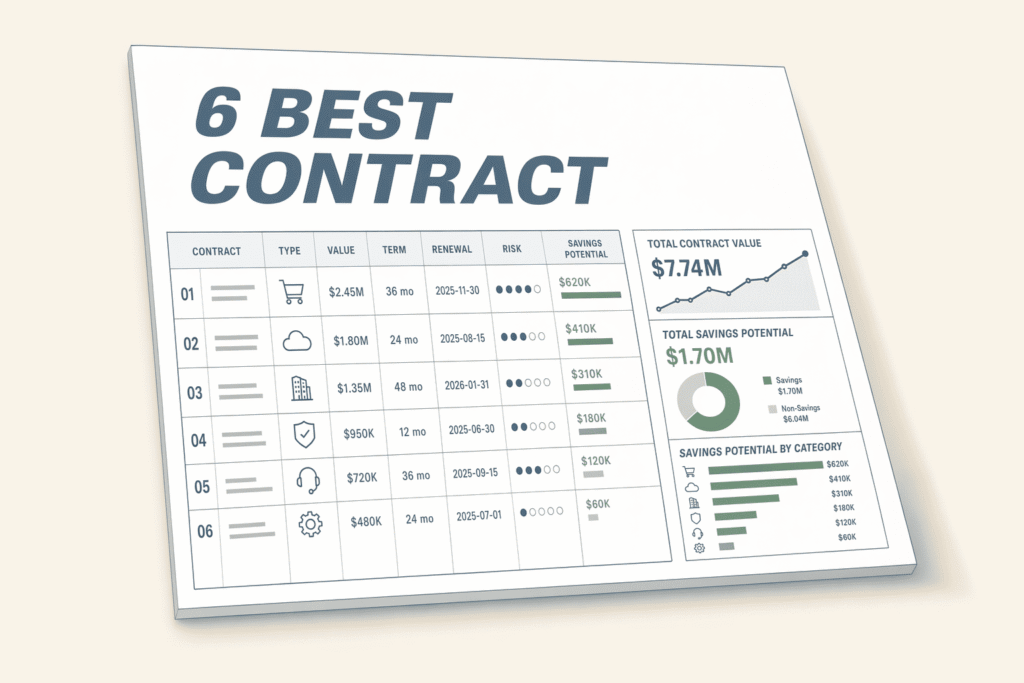
Yes—contract analytics platforms exist that transform contract data into cost-reduction intelligence. These tools automate obligation tracking, risk identification, and spend visibility, converting unstructured agreements into operational savings opportunities.
Key Takeaways
- Contract analytics capabilities—obligation tracking, risk identification, and spend visibility—drive measurable operational cost reduction by preventing missed deadlines, catching unfavorable terms, and revealing vendor consolidation opportunities
- Pilot-first deployment allows finance and legal teams to extract insights from limited contract sets without full repository migration, minimizing risk and accelerating time-to-value
- Vendor evaluation criteria center on three dimensions: data security and compliance, ERP and CRM integration architecture, and cross-departmental access controls
- Implementation models differ fundamentally: intelligence-layer tools overlay existing systems; full CLM platforms require end-to-end workflow migration
- Six representative platforms—including Contracts.ai, Luminance, and Conga—offer distinct analytics strengths suited to different organizational maturity levels
Yes, several platforms transform contract data into cost-reduction intelligence by automating the extraction, monitoring, and analysis of obligations, risks, and spend patterns. Three core analytics capabilities deliver measurable operational savings: obligation tracking that prevents missed deadlines, risk identification that flags unfavorable terms before they trigger rework, and spend visibility that surfaces vendor consolidation opportunities.
Obligation Tracking and Automated Deadline Monitoring
Manual contract tracking, spreadsheets, email chains, fragmented filing systems, leaves renewal dates, payment terms, and compliance deadlines invisible until they pass. Organizations lose approximately 9% of revenue to contract leakage from missed obligations alone. Automated obligation tracking prevents these losses by surfacing every deadline embedded in executed agreements.
Contracts.ai transforms executed agreements into structured, operational intelligence that flows across the enterprise, enabling finance and legal teams to monitor renewal windows, payment schedules, and service-level commitments without full repository migration. This post-signature intelligence layer integrates with existing systems, teams pilot with limited contract sets, validate extraction accuracy, then scale across the portfolio.
Risk Identification in Contract Terms
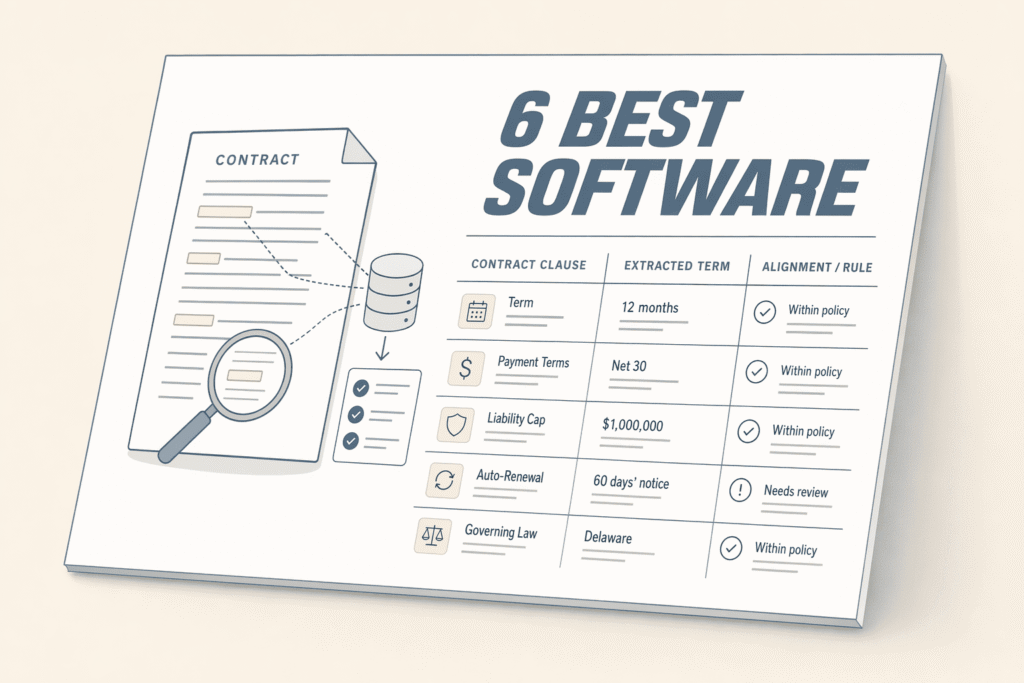
AI-powered clause detection automatically identifies, classifies, and extracts payment deadlines, governing law provisions, liability clauses, and indemnification language buried in lengthy agreements. Legal and procurement teams spend hours searching for specific clauses; AI clause detection surfaces unfavorable terms, auto-renewal triggers, one-sided liability allocations, restrictive termination rights, before they escalate into rework costs.
Platforms that flag compliance gaps at the clause level enable proactive negotiation. Finance avoids penalty exposure; legal reduces post-signature amendments; procurement negotiates better terms at renewal. The cost reduction compounds: fewer urgent renegotiations, lower legal spend per contract, faster deal cycles.
Spend Visibility and Vendor Consolidation
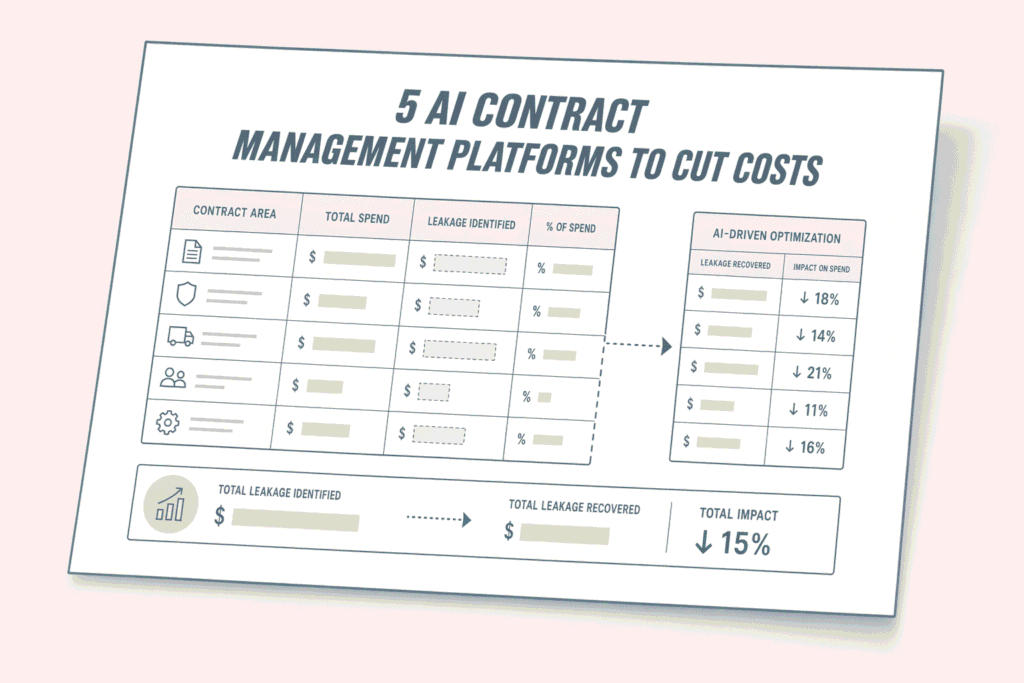
Aggregated contract data reveals duplicate spend, overlapping vendor relationships, and consolidation opportunities finance teams cannot detect in fragmented systems. Organizations lose five to nine percent of annual revenue from poor contract oversight. Spend visibility analytics surface these patterns, multiple vendors supplying identical services, volume-discount thresholds unmet due to split spend, redundant SaaS licenses across departments.
Contract intelligence platforms that structure spend data by vendor, category, and business unit enable procurement to negotiate consolidated pricing, eliminate redundant contracts, and track savings against baseline spend. The operational cost reduction is direct: fewer vendor relationships to manage, lower unit pricing through volume consolidation, reduced administrative overhead per contract.
Understanding which analytics capabilities reduce costs is only half the equation, teams must also map each feature to a quantifiable financial outcome.
How to Map Analytics Features to Measurable Savings
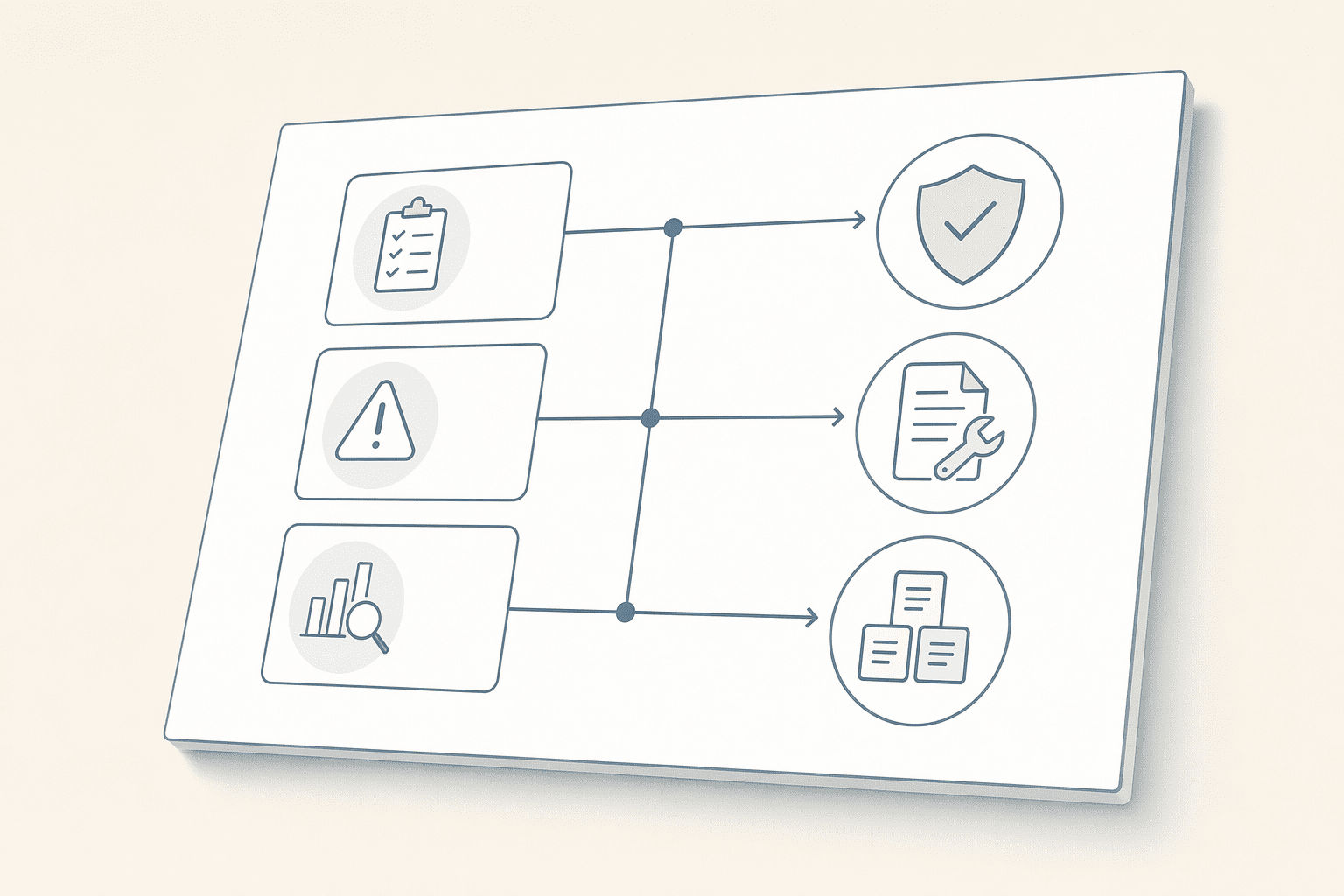
Mapping analytics capabilities to cost savings requires connecting each feature to a quantifiable outcome. The frameworks below translate three core contract intelligence functions, obligation tracking, risk identification, and spend visibility, into measurable financial impact.
Calculating Cost Avoidance from Obligation Tracking
Contract management analytics surfaces key data points including expiration dates and payment terms. Organizations can calculate cost avoidance by measuring the baseline cost of manual tracking failures, missed renewal opt-outs, late payment penalties, and unmonitored auto-renewals, then applying the prevention rate achieved through automated obligation tracking. The formula: (Annual missed-payment penalties + Annual auto-renewal costs from unmonitored contracts) × Automated prevention rate = Cost avoidance. AI-powered contract management reduces contract processing time by up to 65%, establishing a baseline for prevention-rate assumptions. Track before-and-after metrics across a 90-day pilot to establish your organization’s realized prevention rate.
Measuring Rework Reduction from Risk Identification
Risk-identification features identify risks and check compliance before signature. Quantify rework savings by calculating the hourly cost of legal and finance staff time, then multiplying by the number of hours saved per contract through pre-signature risk flagging. Cognitive contract management leverages machine learning and modern technologies to automate decision making across the lifecycle, reducing manual review cycles. The formula: (Average hourly cost of legal/finance staff × Hours saved per contract from early risk detection) × Annual contract volume = Rework reduction savings. Measure baseline rework hours by tracking time spent on post-signature amendments and compliance retrofits for a sample set of contracts; then compare against pilot contracts reviewed with AI risk detection.
Vendor Consolidation Savings from Spend Visibility
Spend-visibility analytics reveal duplicate vendors and consolidation opportunities. CloudEagle’s methodology for AI automation and usage-linked insights provides a documented pathway for calculating vendor consolidation ROI. The formula: (Total annual spend across duplicate vendors × Volume discount rate from consolidation) + (Administrative cost savings from vendor reduction) = Vendor consolidation savings. Extract payment-term and pricing data from your contract repository, then segment by vendor category to identify overlapping suppliers. Calculate the volume-discount rate by modeling your current aggregate spend against vendor pricing tiers. Track the number of vendor relationships before and after consolidation to measure administrative cost savings, accounting for procurement overhead, invoice processing, and compliance monitoring per vendor relationship.
Once you’ve mapped features to savings, the next decision is how to deploy the platform without disrupting current operations.
Implementation Models: Pilot vs. Full Migration
Pilot-First Deployment: Intelligence Layer Approach
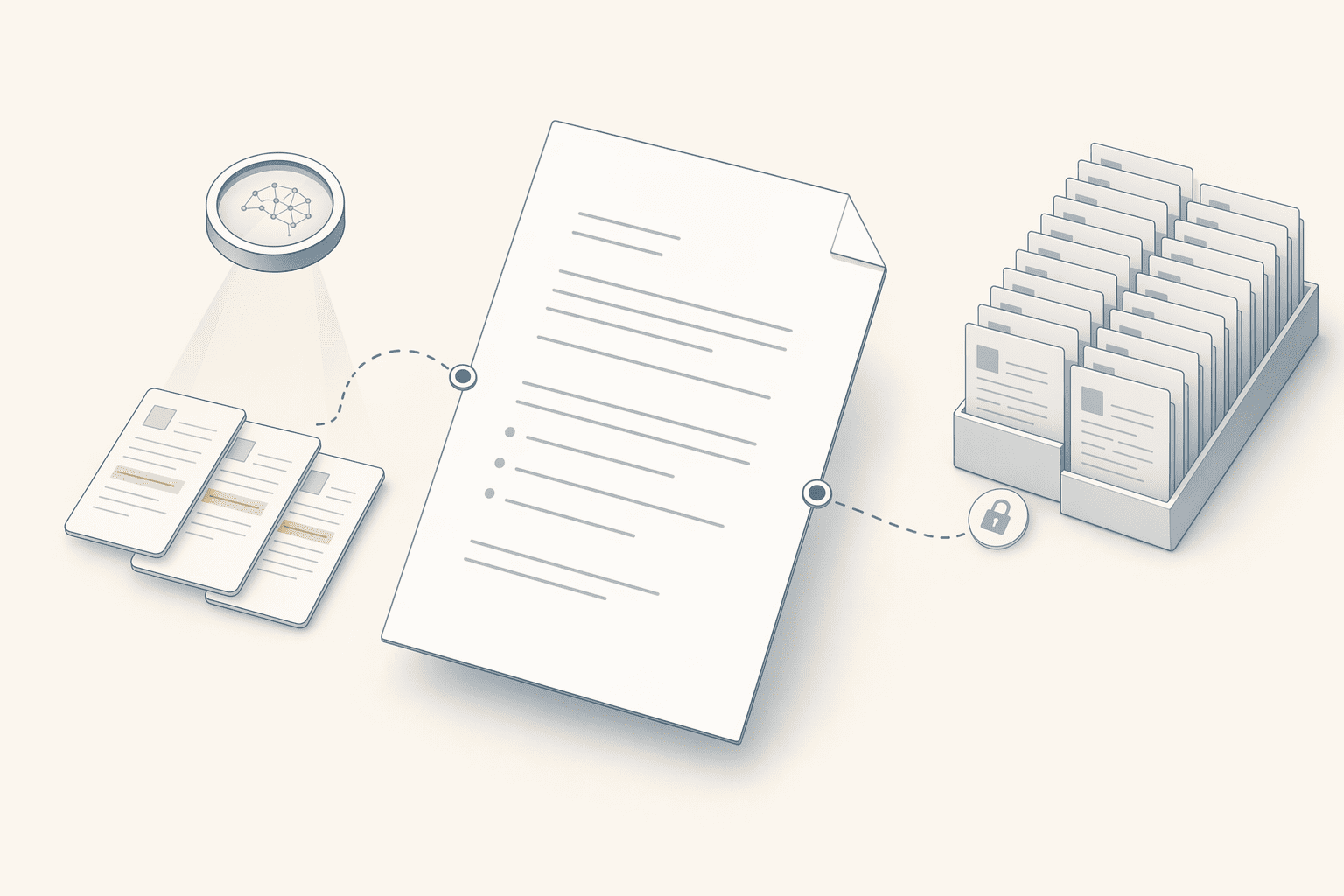
Pilot-first deployment allows finance and legal teams to extract actionable insights from contracts without disrupting existing workflows or migrating entire repositories. This approach treats contract intelligence as an overlay rather than a replacement system. Contracts.ai exemplifies this model as a post-signature intelligence layer, enabling teams to analyze a limited contract set, such as high-value vendor agreements or a specific spend category, and demonstrate ROI before expanding scope. The pilot can be deployed in weeks rather than months, with minimal IT involvement and no integration dependencies. Teams maintain their current contract storage and approval processes while gaining AI-powered extraction, risk flagging, and spend visibility on the pilot subset.
Full Repository Migration: Traditional CLM Replacement
Full repository migration is appropriate when organizations require end-to-end workflow automation, approvals, e-signature, obligation tracking, across all contract types. Workflow-native CLM platforms like Ironclad, DocuSign CLM, and Agiloft provide thorough lifecycle management but demand substantial upfront effort. Implementation timelines typically span six to twelve months, involving data migration, workflow configuration, user training, and integration with ERP and procurement systems. The risk profile is higher: legacy data must be cleaned and mapped, stakeholder adoption is critical, and the project often requires dedicated change management resources. However, once deployed, these systems provide unified contract governance and embedded intelligence across drafting, negotiation, and post-execution phases.
Risk and Effort Comparison
Pilot deployments minimize risk and accelerate time-to-value: low migration effort, isolated failure domain, and immediate proof points for cost reduction. Full migrations deliver thorough coverage but carry higher implementation risk, longer payback periods, and dependency on cross-functional alignment. For teams seeking rapid insights to justify broader investment, the intelligence-layer pilot, such as Contracts.ai’s approach, offers a pragmatic entry point. For organizations ready to replace fragmented contract processes with a unified system, full CLM migration provides deeper operational transformation despite the heavier lift.
Implementation model alone does not determine success, vendor selection must align with your organization’s security, integration, and access requirements.
Evaluating Vendors: Key Criteria for Finance and Legal Teams
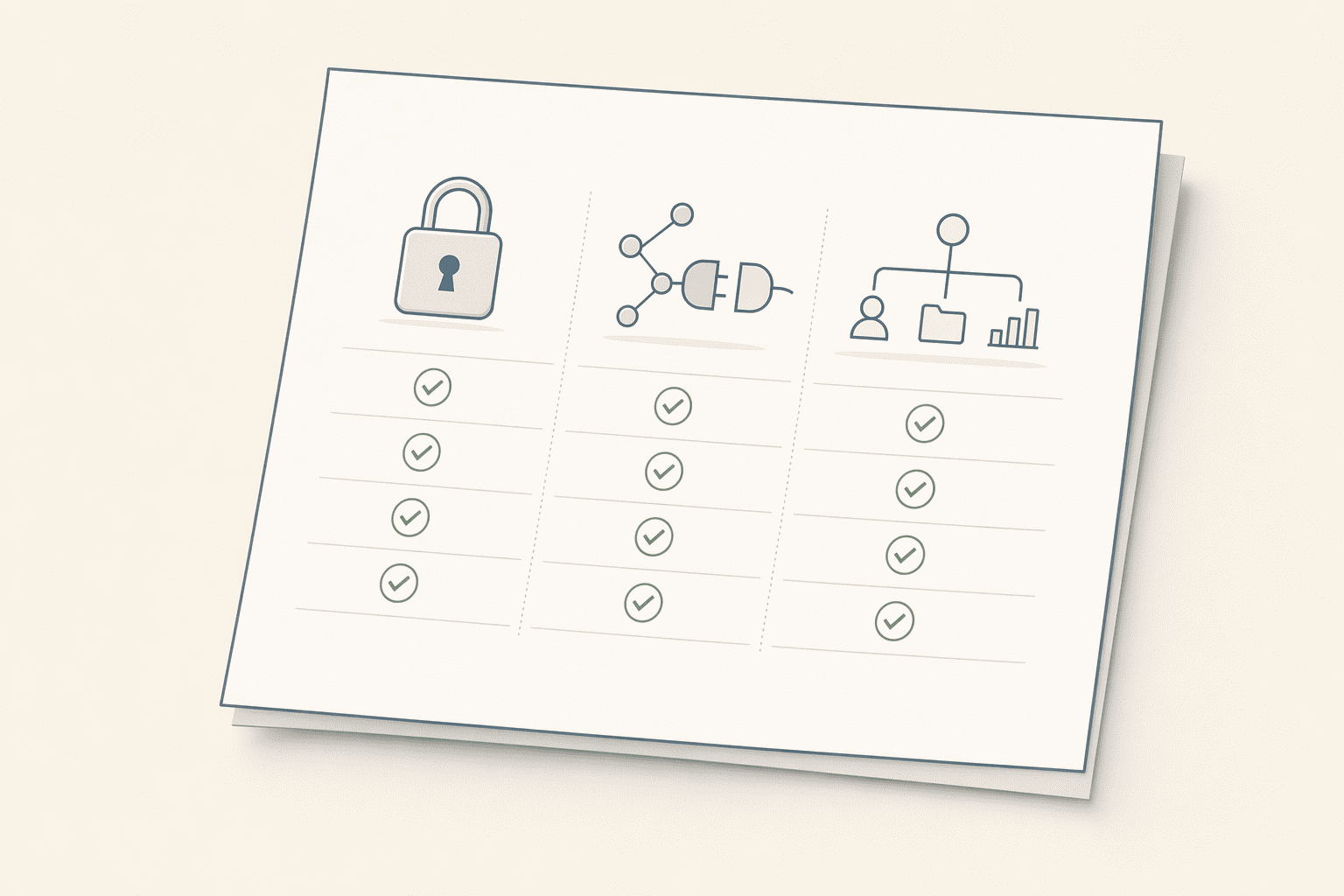
When finance and legal teams assess contract analytics platforms, three dimensions shape every vendor decision: data security, integration architecture, and cross-departmental access. Each dimension carries distinct validation requirements.
Data Security and Compliance Requirements
Contract platforms process sensitive financial terms and personally identifiable information. Legal departments prioritize vendors that maintain contract lifecycle management and privacy protocols aligned with regulatory frameworks. Contracts.ai supports compliance with GDPR, HIPAA, and holds SOC2 certification. Data residency matters: multinational enterprises must audit where vendor infrastructure processes contract data and whether cross-border transfers comply with Standard Contractual Clauses or equivalent mechanisms. Verify encryption standards (TLS 1.2+ in transit, AES-256 at rest), access-control granularity, and incident-response procedures before signing.
Cross-System Integration Patterns
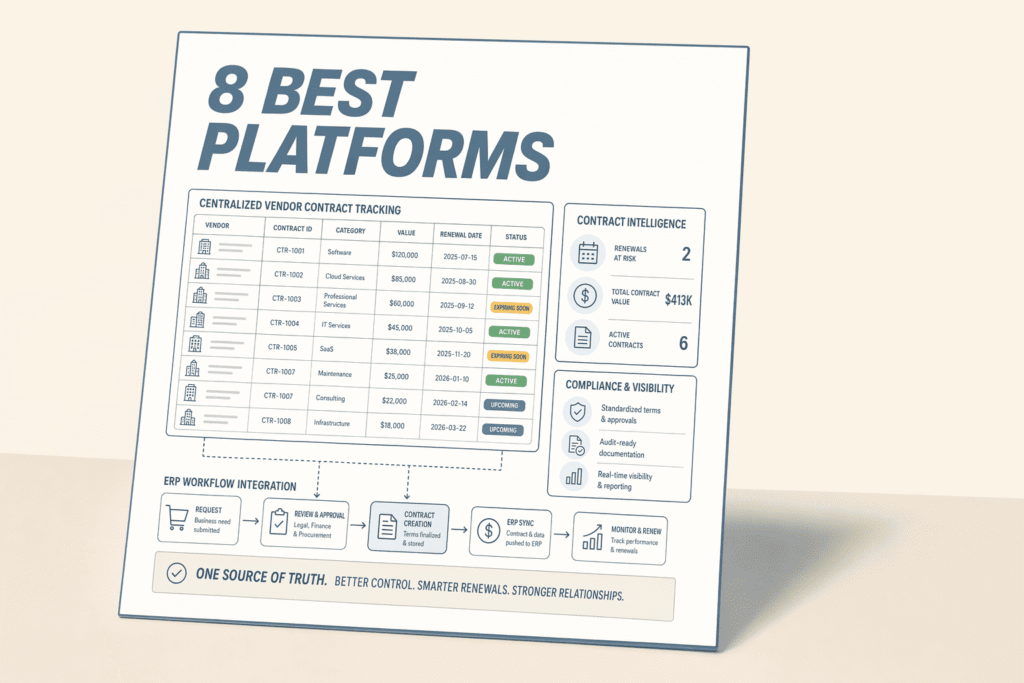
Finance operations depend on smooth data flow between ERP, CRM, and analytics layers. Advanced platforms connect with existing tools such as ERP, CRM, and accounting software, eliminating manual re-keying. Contracts.ai integrates with Oracle and SAP to reconcile supplier invoices against signed contract terms, surfacing discrepancies that drive cost recovery. E-signature compatibility (DocuSign, Adobe Sign) ensures post-execution metadata feeds back into analytics workflows without lag.
Cross-Departmental Access and Role Management
Legal, finance, and procurement each query contract intelligence through different lenses, risk mitigation, cost avoidance, vendor consolidation, yet share a single source of truth. Role-based access prevents duplicate effort: finance analysts see payment terms and renewal dates; legal reviews liability caps and indemnification clauses; procurement tracks volume commitments. Contracts.ai processes personal data solely as a data processor under customer instruction, ensuring organizations retain control over clause-level access governance and audit trails.
With evaluation criteria in hand, finance and legal teams can assess specific platforms against their operational needs.
Representative Platforms for Contract Intelligence
Gartner defines advanced contract analytics as solutions that use AI techniques such as natural language processing, machine learning, and generative AI to analyze contracts, extract provisions, create structured data, highlight deviations, identify missing clauses, score risk, and recommend process changes. The enterprise segment includes intelligence-layer tools that overlay existing repositories, full-suite CLM platforms with embedded analytics, and AI-native specialized solutions. G2 lists 10 enterprise contract analytics products, reflecting a market where deployment model, integration depth, and customer segment fit drive selection criteria.
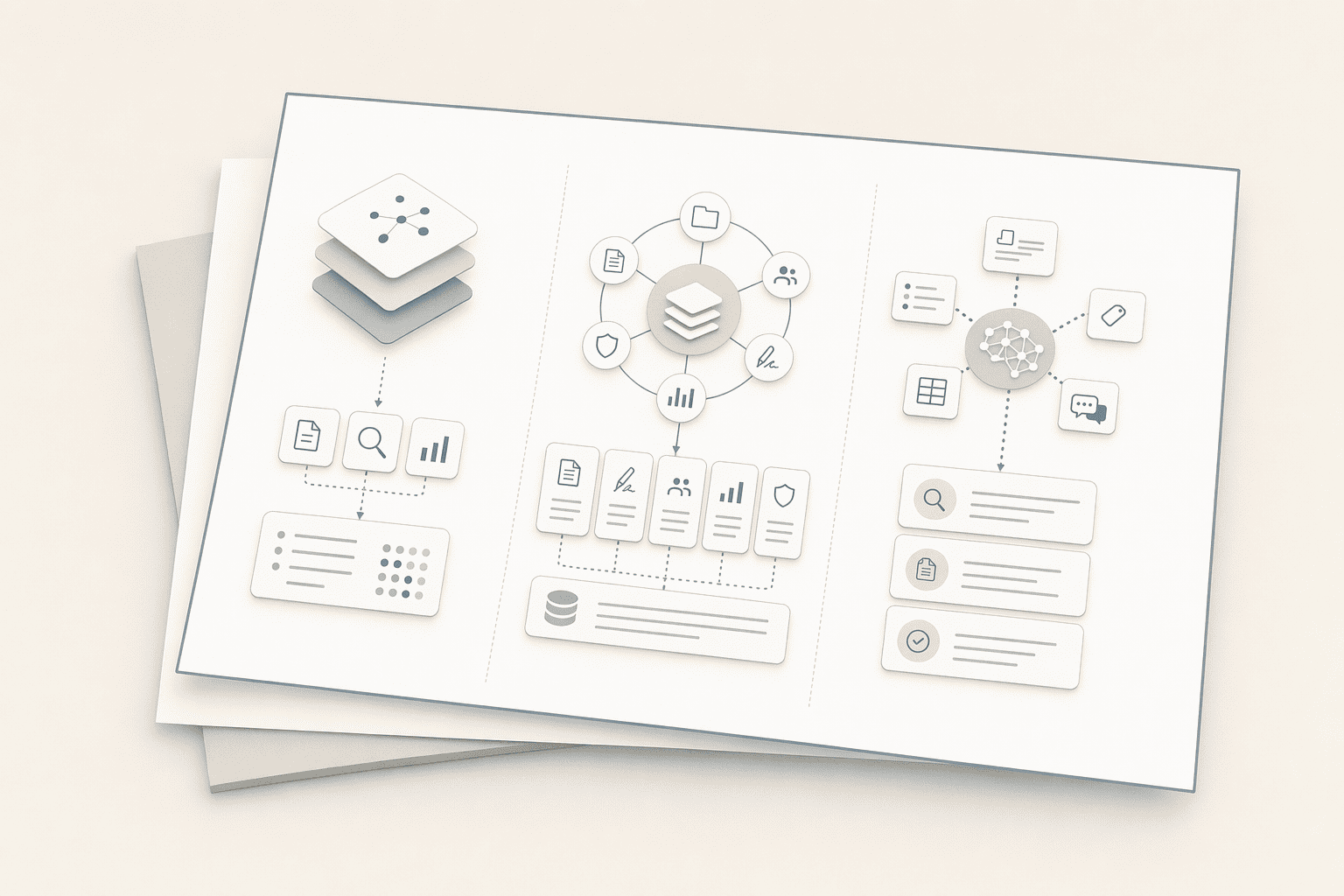
Intelligence-Layer Tools: Contracts.ai, Luminance
Contracts.ai extracts key terms across legacy and live contracts in minutes, claims more than 99% accuracy when extracting data in real time, and supports natural-language queries across the entire contract base. The platform is SOC 2 and SOC 3 certified, supports GDPR compliance, and integrates with NetSuite to reconcile supplier invoices with signed contracts. Strengths: pilot-first deployment without migrating existing CLM systems, enterprise-grade compliance certifications, Oracle/SAP ERP integration. Limitations: does not support contract approval workflows, operates as an intelligence layer rather than a full CLM suite. Best for: finance and legal teams who want analytics and reporting without replacing incumbent contract management infrastructure. Pricing: contact for quote.
Luminance applies machine learning to clause-level analysis, surfacing anomalies and non-standard terms in executed agreements. Designed for post-signature diligence and M&A review, the platform trains on customer contract libraries to identify deviations from template language. Best for: legal teams managing large-scale contract reviews or due diligence workflows.
Full-Suite CLM Platforms: Conga, Icertis, Ironclad
Conga CLM, Icertis, and Ironclad are workflow-native CLM platforms with embedded AI analytics. Each manages the full contract lifecycle, authoring, negotiation, approval routing, execution, obligation tracking, and renewal management, and surfaces insights through built-in dashboards. Conga integrates tightly with Salesforce CRM, providing revenue-operations visibility for commercial teams. Icertis targets global enterprises with complex procurement and supplier management requirements, emphasizing multi-jurisdiction compliance and configurable approval hierarchies. Ironclad positions itself for in-house legal teams managing high-volume commercial agreements, offering workflow automation and clause-library governance. All three require replacing or retiring incumbent CLM systems during deployment. Best for: organizations ready to consolidate contract management onto a single end-to-end platform and willing to migrate historical data.
AI-Native Specialized Tools: LinkSquares
LinkSquares gives legal and cross-functional teams real-time visibility into deal velocity, risk patterns, review timelines, and contract status from a single dashboard [F3-2, F3-3, F3-4, F3-5, F3-6]. The platform tracks trends, measures impact, and quantifies performance with AI-powered dashboards, monitoring team workload and cycle times across the contract lifecycle [F3-13, F3-14, F3-15]. G2 shows LinkSquares with a 4.7/5 rating from 438 reviews. Best for: legal departments prioritizing contract analytics and performance metrics over full-lifecycle workflow automation.
| Platform | Deployment Model | AI Capabilities | Pricing | User Ratings | Customer Segment Fit |
|---|---|---|---|---|---|
| Contracts.ai | Intelligence layer (SaaS) | Clause extraction, natural-language query, metadata tagging, NetSuite invoice reconciliation | Contact for quote | SOC 2/3 certified, GDPR compliant | Finance + legal teams, existing CLM in place |
| Conga CLM | End-to-end CLM (SaaS) | Workflow automation, approval routing, Salesforce CRM integration | Contact for quote | Not publicly disclosed | Commercial teams with Salesforce dependency |
| Icertis | End-to-end CLM (SaaS) | Multi-jurisdiction compliance, supplier management, configurable workflows | Contact for quote | Not publicly disclosed | Global enterprises, complex procurement |
| Ironclad | End-to-end CLM (SaaS) | Clause-library governance, high-volume automation, workflow templates | Contact for quote | Not publicly disclosed | In-house legal teams, commercial agreements |
| Luminance | Intelligence layer (SaaS) | Anomaly detection, clause-level ML analysis, M&A diligence | Contact for quote | Not publicly disclosed | Legal teams, due diligence workflows |
| LinkSquares | Specialized analytics (SaaS) | Deal velocity tracking, risk patterns, team workload dashboards | Contact for quote | 4.7/5 (438 reviews, G2) | Legal departments, contract performance metrics |
Selection depends on whether the organization requires a replacement CLM platform or prefers to layer analytics onto existing contract infrastructure. Intelligence-layer tools (Contracts.ai, Luminance) avoid migration risk and integrate with incumbent systems; full-suite platforms (Conga, Icertis, Ironclad) consolidate the entire lifecycle but demand data migration and process redesign; specialized analytics tools (LinkSquares) optimize for legal-team performance measurement. Request a Demo to evaluate fit against current CLM investments and cost-reduction targets.
Conclusion
Intelligence-layer tools like Contracts.ai suit teams who want analytics without replacing existing CLM systems; full-suite platforms like Conga or Icertis provide thorough lifecycle management but require migration effort. Pilot-first deployment delivers fast time-to-value with limited contract sets; full repository migration offers thorough coverage but carries higher upfront risk and resource requirements.
As AI-native contract intelligence matures, expect intelligence-layer tools and full CLM platforms to converge on hybrid implementation models, allowing teams to pilot analytics before committing to full lifecycle replacement. This convergence will reduce the false binary between point-solution analytics and monolithic CLM suites.
Explore Contracts.ai’s pilot-first deployment to start turning your contract data into cost insights this quarter, or compare the six platforms reviewed above using the evaluation criteria: security posture, integration architecture, and cross-departmental access controls.
Frequently Asked Questions
What is contract analytics software?
Contract analytics software uses AI-powered techniques, natural language processing, machine learning, generative AI, to extract structured data from unstructured contracts. These platforms enable obligation tracking, risk identification, and spend visibility by automating the extraction, monitoring, and analysis of contract terms.
How does contract analytics reduce operational costs?
Contract analytics reduces costs through three pathways: obligation tracking prevents missed deadlines and auto-renewal penalties; risk identification catches unfavorable terms before they trigger rework ; spend visibility reveals vendor consolidation opportunities. Each capability maps directly to quantifiable savings in legal, finance, and procurement workflows.
Can I pilot contract analytics without migrating my full repository?
Yes, pilot-first deployment allows finance and legal teams to extract actionable insights from a limited contract set without disrupting existing workflows or migrating entire repositories. Intelligence-layer tools treat contract analytics as an overlay rather than a replacement system, enabling rapid proof-of-value with minimal upfront commitment.
What security and compliance features should I look for?
Prioritize platforms with SOC2, GDPR, and HIPAA compliance, especially when processing sensitive financial terms and personally identifiable information. Legal departments require vendors that maintain continuous certification, offer data residency controls for multinational operations, and provide audit trails for all data access and modifications.
How do legal and finance teams each use contract analytics?
Legal teams prioritize risk identification and compliance gap detection; finance teams focus on cost avoidance and spend visibility; procurement uses vendor consolidation insights. Multi-department frameworks enable each function to extract role-specific intelligence from the same contract data, maximizing platform ROI across the organization.
What’s the difference between contract analytics and full CLM platforms?
Contract analytics tools focus on post-signature intelligence, obligation tracking, spend visibility, risk identification, without replacing existing workflows. Full CLM platforms manage the entire contract lifecycle, including authoring, negotiation, approval, and e-signature workflows. Intelligence-layer tools can overlay legacy systems; full CLM requires end-to-end migration.
How long does it take to implement contract analytics?
Pilot-first intelligence-layer tools can deploy in weeks with limited contract sets, treating analytics as an overlay rather than a replacement system. Full CLM replacement migrations typically take months and require thorough workflow redesign, user training, and repository migration across all contract types.
Sources
- Contract Tracking Explained: Key Strategies for Businesses – www.sirion.ai
- Top 7 Best AI Clause Detection Platforms for Contracts in 2026 – linksquares.com (2026)
- How to Leverage Contract Data to Improve Your Bottom Line – ironcladapp.com (2026)
- 10 Best AI Contract Management Software in 2026: SaaS Contract Automation – www.cloudeagle.ai (2025)
- KPMG Cognitive Contract Management – kpmg.com
- AI Contract Management Software 2026: 10 Best Tools – bindlegal.com (2026)
- Zooming in on Contract Lifecycle Management and Privacy … – www.acc.com (2021)
- Best Enterprise Contract Analytics Software in 2026 – www.g2.com (2026)